Yeasted Buckwheat Bread
Rate this recipeBe the first to rate
 By AprilPublished
 Have you ever tried a bread that is not only delicious but also packed with nutrients?
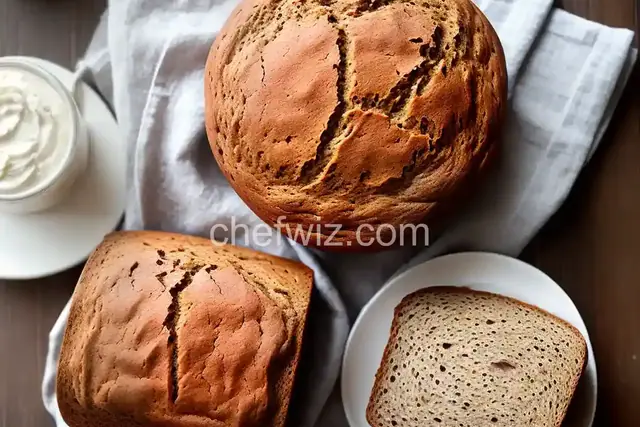 By AprilPublished
 Have you ever tried a bread that is not only delicious but also packed with nutrients?
Start by adding water, oil, sour cream, egg, egg yolk, bread flour, buckwheat flour, sugar, salt, and yeast to a bread machine in the specified order or according to the manufacturer's instructions.
Set the bread machine to the Bread cycle and begin the process.
Allow the machine to run for approximately 2 hours and 55 minutes until the cycle is completed.
Once the cycle finishes, carefully remove the loaf from the bread machine.
Have you ever tried a bread that is not only delicious but also packed with nutrients? Look no further than yeasted buckwheat bread! This unique bread combines the earthy flavor of buckwheat with the lightness and fluffiness of yeast. In this article, we will explore the wonders of yeasted buckwheat bread and why it should become a staple in your kitchen.
Buckwheat, despite its name, is not a type of wheat at all. It is actually a seed that is gluten-free and rich in fiber, protein, and essential minerals. When ground into flour, it creates a distinct flavor profile that is both nutty and slightly bitter. This makes it a perfect ingredient for bread, adding depth to the taste.
Not only does buckwheat bring a unique taste to bread, but it also boasts an array of health benefits. Its high fiber content aids in digestion and helps maintain a healthy weight. Additionally, it contains antioxidants that can reduce inflammation and lower the risk of chronic diseases. With yeasted buckwheat bread, you can savor the flavor while nourishing your body.
Yeast is the secret ingredient that gives bread its fluffy texture. When activated, yeast produces carbon dioxide gas, causing the dough to rise. This creates air pockets within the bread, resulting in its light and airy structure. By combining yeast with buckwheat flour, you can enjoy a gluten-free bread that is just as delightful as its wheat-based counterparts.
For those with gluten sensitivities or celiac disease, yeasted buckwheat bread offers a gluten-free alternative that doesn't sacrifice taste or texture. It allows individuals to enjoy the pleasure of bread without the discomfort that gluten can cause. So why not give it a try?
Now that you understand the benefits of yeasted buckwheat bread, you may be wondering how to make it yourself. The process is quite simple and requires basic baking ingredients such as buckwheat flour, yeast, water, and salt. By following a few easy steps, you can have a loaf of fresh, homemade bread in no time.
To start, combine the buckwheat flour, yeast, water, and salt in a mixing bowl. Mix until a sticky dough forms. Allow the dough to rest and rise for a couple of hours until it doubles in size.
After the dough has risen, transfer it to a floured surface. Shape it into a loaf and place it in a greased bread pan. Allow it to rise again for about an hour. Preheat your oven to the recommended temperature and bake the bread for approximately 30 minutes or until golden brown.
Once the bread is baked to perfection, remove it from the oven and let it cool before slicing. Spread your favorite toppings or enjoy it as is. The nutty flavor and light texture of yeasted buckwheat bread will surely satisfy your taste buds.
Yeasted buckwheat bread is a delightful and nutritious alternative to traditional wheat bread. With its unique flavor and health benefits, it is a must-try for anyone looking to expand their bread repertoire. So why not give it a go and experience the magic of yeasted buckwheat bread for yourself?
Yes, buckwheat bread is gluten-free and can be enjoyed by individuals with gluten sensitivities or celiac disease.
Absolutely! You can use a bread machine to simplify the process of making yeasted buckwheat bread. Just follow the manufacturer's instructions.
Buckwheat flour is commonly available in most grocery stores, health food stores, or online. It is often located in the baking or gluten-free section.
While buckwheat flour provides a unique flavor, you can experiment with other gluten-free flours such as rice flour, quinoa flour, or almond flour to create variations of yeasted bread.
The flavor of buckwheat in yeasted bread is present but not overpowering. It adds a pleasant nuttiness that complements a variety of toppings and spreads.
Yes, yeasted buckwheat bread freezes well. Slice the bread before freezing and thaw individual slices as needed.
Absolutely! Adding nuts or seeds to the dough can enhance the texture and flavor of your yeasted buckwheat bread. Try incorporating sunflower seeds, pumpkin seeds, or chopped almonds for a delightful crunch.
Yeasted buckwheat bread can be stored at room temperature for a few days. To extend its shelf life, store it in an airtight container or freeze it.
Yes, you can use instant yeast as a substitute for active dry yeast. Just make sure to adjust the quantities according to the instructions provided by the yeast manufacturer.
AprilCook, recipe developer and the heart of Chefwiz. More about April