Yeast Doughnuts
Rate this recipeBe the first to rate
 By AprilPublished
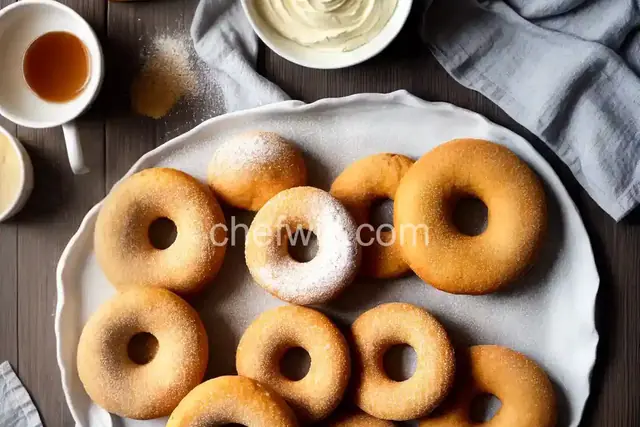
 Who doesn't love sinking their teeth into a soft and fluffy yeast doughnut?
 By AprilPublished
 Who doesn't love sinking their teeth into a soft and fluffy yeast doughnut?
In a medium saucepan, heat the milk over medium heat until warm enough to melt the shortening.
Place the shortening in a bowl and pour the warmed milk over it. Set aside.
In a small bowl, sprinkle the yeast over warm water and let it dissolve for 5 minutes.
Pour the yeast mixture into the large bowl of a stand mixer and add the lukewarm milk and shortening mixture.
Add the eggs, sugar, salt, nutmeg, and half of the flour to the mixer.
Using the paddle attachment, combine the ingredients on low speed until the flour is incorporated.
Increase the speed to medium and beat until well combined.
Add the remaining flour, starting on low speed and then increasing to medium. Beat well.
Change to the dough hook attachment and beat on medium speed until the dough pulls away from the bowl and becomes smooth, approximately 3 to 4 minutes.
Transfer the dough to a well-oiled bowl, cover, and let it rise for 1 hour or until doubled in size.
On a well-floured surface, roll out the dough to a thickness of 3/8 inch.
Use a 2 1/2-inch doughnut cutter or pastry ring to cut out doughnuts, and a 7/8-inch ring for the center hole.
Place
Who doesn't love sinking their teeth into a soft and fluffy yeast doughnut? These delectable treats are a favorite among both kids and adults. But have you ever wondered what makes yeast doughnuts so irresistibly delicious? In this article, we'll explore the magic behind yeast doughnuts and why they are worth every calorie.
Yeast doughnuts are made using a yeast-based dough, which gives them their characteristic light and airy texture. The yeast acts as a leavening agent, producing carbon dioxide gas that causes the dough to rise. As the dough rises, the gluten in the flour stretches, creating those lovely air pockets that make yeast doughnuts so soft and fluffy.
Just like a balloon inflates with air, the dough expands as the yeast ferments and produces carbon dioxide. When the dough is fried, the air pockets trapped inside expand, resulting in a light and airy doughnut that practically melts in your mouth.
Creating the perfect yeast doughnut requires a delicate balance of ingredients and techniques. The dough needs ample time to rise and develop flavor, typically achieved through overnight fermentation. This slow rise allows the yeast to work its magic and enhances the doughnut's taste and texture.
Additionally, the temperature of the frying oil is crucial. Too hot, and the doughnuts will burn on the outside before they are cooked through. Too cool, and the doughnuts will absorb excess oil, resulting in a greasy texture. Achieving that beautiful golden-brown color and crispy exterior while maintaining a tender interior requires precision and practice.
While the classic yeast doughnut is a timeless favorite, there are endless variations to explore. From glazed and powdered sugar to filled and frosted, there's a yeast doughnut for everyone's taste buds.
For those who crave a burst of sweetness, try a jelly-filled doughnut with a dusting of powdered sugar. The combination of the soft dough and the fruity filling creates a delightful contrast of flavors and textures.
If you're a fan of the classic glazed doughnut, you'll appreciate its simplicity and the smooth, sugary glaze that covers its surface. Each bite is a heavenly experience as your teeth sink into the soft dough and the glaze melts in your mouth.
Want to try your hand at making yeast doughnuts at home? Here are a few tips to ensure success:
Yeast is a living organism, and using fresh yeast will guarantee a better rise and flavor in your doughnuts.
Allowing the dough to rise slowly and thoroughly will yield a better texture and flavor. Be patient and let the yeast work its magic.
Invest in a thermometer to ensure your frying oil is at the right temperature. This will prevent undercooked or overcooked doughnuts.
Once you've mastered the basic yeast doughnut recipe, don't be afraid to get creative. Add spices, extracts, or even fillings to create unique and delicious variations.
Yeast doughnuts are a delightful indulgence that can transport you to a world of sugary bliss. The combination of the fluffy, airy texture and the endless flavor possibilities make yeast doughnuts a true treat for any occasion. Whether you enjoy them plain, glazed, or filled with your favorite jam, one thing is for sure – yeast doughnuts are worth every delectable bite.
The rising time for yeast doughnuts can vary, but it typically takes around 1 to 2 hours for the dough to double in size.
Yes, you can freeze yeast doughnuts. Allow them to cool completely, then place them in an airtight container or freezer bag. When ready to enjoy, thaw them at room temperature or reheat in the oven.
To prevent greasy doughnuts, make sure the oil is at the right temperature before frying. If the oil is too cool, the doughnuts will absorb excess oil. If it's too hot, they will cook too quickly and become greasy.
Yes, you can bake yeast doughnuts instead of frying them. However, keep in mind that the texture and taste will be slightly different. Baked doughnuts are typically denser and less crispy compared to their fried counterparts.
Yeast is an essential ingredient in yeast doughnuts as it provides the characteristic rise and texture. There are alternative recipes for doughnuts that use baking powder or baking soda as leavening agents, but they will have a different texture and taste.
It's best to consume yeast doughnuts fresh. However, if you have leftovers, store them in an airtight container at room temperature for up to 2 days. After that, the texture may start to deteriorate.
Yes, you can make gluten-free yeast doughnuts using a combination of gluten-free flours and a gluten-free yeast substitute. Keep in mind that the texture and taste may differ from traditional yeast doughnuts.
Yeast doughnuts are typically lighter and lower in fat compared to cake doughnuts, which are made from a denser cake-like batter. However, both types of doughnuts should be enjoyed in moderation as they are still indulgent treats.
AprilCook, recipe developer and the heart of Chefwiz. More about April