Yakgwa
Rate this recipeBe the first to rate
 By AprilPublished
 Have you ever tasted a dessert that not only pleases your taste buds but also transports you to another world?
 By AprilPublished
 Have you ever tasted a dessert that not only pleases your taste buds but also transports you to another world?
To make the cookies, start by combining the flour, salt, and pepper in a large bowl. Add the sesame oil and mix with a rubber spatula until the flour is hydrated and forms pea-size pieces.
Transfer the flour mixture to a fine-mesh sieve set over a large bowl. Use a metal spoon to help the mixture pass through the sieve, creating a dough that resembles coarse ground cornmeal.
Add the soju and ginger-infused simple syrup to the dough and mix with the rubber spatula until just combined. Use your hands to gently knead and press the dough into a ball, making sure there are no dry flour specks. Be careful not to overwork the dough, as it should be dry and crumbly. It's normal if some parts break apart. The dough is ready when it holds its shape when pressed and pinched together.
Gather the dough and add 1 teaspoon of soju at a time if needed. Pat down the dough into a square and wrap tightly in plastic wrap. Refrigerate and let it rest for 1 hour.
While the dough is resting, prepare the coating syrup.
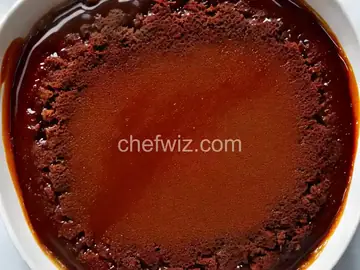
To make the coating syrup, bring the jochung, honey, sugar, cinnamon, ginger, and 1/2 cup of water to a boil in a medium pot over medium-high heat. Reduce the heat and simmer for 5 minutes. Remove from heat and transfer to a large bowl to cool.
Roll the rested dough into a 1/2
Have you ever tasted a dessert that not only pleases your taste buds but also transports you to another world? That's exactly what Yakgwa does. This traditional Korean sweet treat has been captivating people for centuries with its unique flavors and delicate texture. In this article, we will explore the fascinating history, preparation, and cultural significance of Yakgwa.
Yakgwa holds a special place in Korean culinary traditions, dating back to the Goryeo Dynasty. It was initially created as a medicinal treat by Buddhist monks, who believed in the healing properties of certain ingredients. Over time, Yakgwa evolved from a remedy into a beloved dessert enjoyed by people of all ages.
Creating Yakgwa is an art in itself. Skilled hands meticulously mix honey, sesame oil, and wheat flour to form a smooth dough. This dough is then shaped into various bite-sized forms, such as flowers or animals, before being deep-fried to achieve a crispy exterior. Finally, the sweet treats are glazed with a syrup made from ginger, honey, and sesame oil, adding an extra layer of flavor.
Yakgwa is more than just a dessert; it is a symbol of celebrations and festivities in Korean culture. It is commonly served during holidays like Lunar New Year and weddings, signifying good luck and prosperity. The delicate shapes and vibrant colors of Yakgwa make it a centerpiece on every dessert table, capturing the attention of all.
In conclusion, Yakgwa is not just a dessert; it's a cultural treasure that brings joy and sweetness to people's lives. Its rich history, intricate preparation process, and cultural significance make it a truly unique culinary experience. So, next time you are in search of a delightful treat, consider indulging in the flavorsome world of Yakgwa.
Absolutely! While traditional Yakgwa requires some expertise, there are simplified recipes available online. With a little practice and patience, you can create your own batch of these delightful treats.
Yes, Yakgwa is vegetarian-friendly. It does not contain any meat or animal products. However, be sure to check the specific ingredients used in case of any variations.
While honey is the traditional sweetener used in Yakgwa, you can experiment with alternatives like maple syrup or agave nectar. Keep in mind that it may slightly alter the taste and texture of the final product.
When stored in an airtight container, Yakgwa can stay fresh for up to two weeks. However, it is best enjoyed within the first few days to savor its optimal taste and texture.
Unfortunately, Yakgwa is not gluten-free as it contains wheat flour as one of the main ingredients. Individuals with gluten sensitivities should refrain from consuming Yakgwa or explore gluten-free alternatives.
Yes, you can freeze Yakgwa to extend its shelf life. However, thawed Yakgwa may lose some of its crispiness, so it's best to consume them soon after thawing.
Absolutely! While Yakgwa is associated with certain holidays, it can be enjoyed at any time of the year. Its unique flavors and charming appearance make it a delightful treat for any occasion.
Yes, chefs and food enthusiasts have come up with modern twists on Yakgwa, incorporating ingredients like matcha or chocolate. These variations add a new dimension to the traditional flavors, appealing to a wider audience.
AprilCook, recipe developer and the heart of Chefwiz. More about April