Wine Sauce for Seafood
Rate this recipeBe the first to rate
 By AprilPublished
 Are you tired of the same old seafood dishes? Looking for a way to elevate your meals to the next level?
 By AprilPublished
 Are you tired of the same old seafood dishes? Looking for a way to elevate your meals to the next level?
Collect all the necessary ingredients.
In a small saucepan, melt the butter over medium-low heat.
Add the shallots and garlic to the melted butter, and cook and stir until the shallots become translucent, which usually takes around 3 minutes.
Season the mixture with tarragon, salt, and white pepper.
Increase the heat to medium and stir in the white wine and lemon juice.
Allow the mixture to simmer, then whisk it for about 1 minute.
Remove the saucepan from the heat and sprinkle in the parsley.
Before serving, pour the prepared sauce over your preferred white fish.
Are you tired of the same old seafood dishes? Looking for a way to elevate your meals to the next level? Well, look no further than a delicious wine sauce! Not only does it add a burst of flavor, but it also brings a touch of elegance to your plate. In this article, we will explore the wonders of wine sauce for seafood and how you can create your own mouthwatering masterpiece.
Picture this: a perfectly seared piece of fish or a succulent shrimp cooked to perfection. Now, imagine taking a bite and experiencing a symphony of flavors dancing on your taste buds. That's what wine sauce can do for your seafood dishes. It adds complexity and depth, enhancing the natural flavors of the fish or shellfish.
Just as a great wine can elevate a meal, a well-crafted wine sauce can take your seafood dishes from ordinary to extraordinary. The acidity in the wine helps cut through the richness of the seafood, balancing the flavors and creating a harmonious combination that will leave you craving for more.
When it comes to making a wine sauce for seafood, the choice of wine is crucial. You want to select a wine that complements the flavors of the dish without overpowering it. A dry white wine, such as Sauvignon Blanc or Chardonnay, is often the go-to choice as it pairs well with most seafood options.
However, don't be afraid to experiment with different varieties and flavors. A light and fruity Riesling can add a touch of sweetness to your sauce, while a rich and buttery Chardonnay can lend a velvety texture. Ultimately, the choice of wine will depend on your personal preference and the specific seafood dish you are preparing.
Now that you have chosen your wine, it's time to bring the sauce to life. Start by sautéing some garlic and shallots in butter or olive oil. This will infuse the sauce with a rich and aromatic base. Next, pour in your selected wine and let it simmer until it reduces slightly, intensifying the flavors.
For added depth, you can also incorporate other ingredients like lemon zest, herbs, or spices. These will further enhance the flavors of the seafood and add a layer of complexity to the sauce. Be sure not to overpower the delicate flavors of the seafood, though; a little goes a long way.
Now that your wine sauce is ready, it's time to pair it with your favorite seafood. The options are endless! Whether you prefer a flaky white fish like cod or a buttery lobster tail, the wine sauce will complement and elevate the flavors.
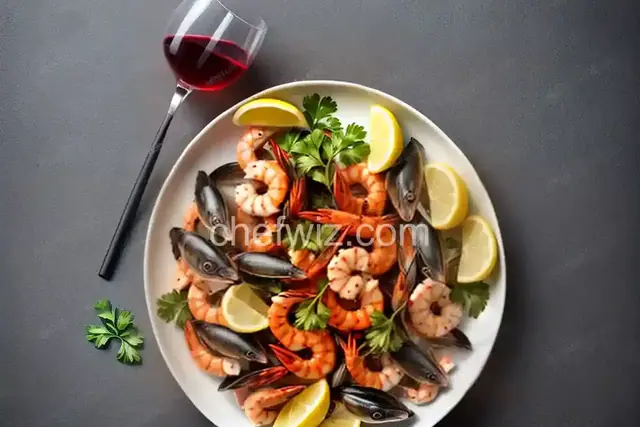
For a classic pairing, try serving the wine sauce with grilled salmon. The richness of the fish pairs beautifully with the acidity of the wine. Or, for a taste of the Mediterranean, drizzle the sauce over a platter of mussels or clams. The brininess of the shellfish combined with the tangy flavors of the sauce will transport you to the coast of Italy.
So, the next time you want to impress your guests or treat yourself to a gourmet meal, consider adding a wine sauce to your seafood dishes. It's a simple yet effective way to elevate your cooking and create a dining experience that is truly unforgettable.
While red wine can work well with certain types of seafood, it is generally recommended to use white wine for a wine sauce. The lighter flavors of white wine tend to complement seafood better without overpowering it.
While cooking wine can be used in a pinch, it is best to use a high-quality wine that you would also enjoy drinking. The flavors of the wine will directly impact the taste of the sauce, so it's worth investing in a good bottle.
The wine sauce can be stored in an airtight container in the refrigerator for up to 3 days. However, it is best to consume it within 24 hours for optimal freshness and flavor.
Yes, you can freeze the wine sauce for up to 3 months. Transfer it to a freezer-safe container and thaw it in the refrigerator before reheating.
Absolutely! The wine sauce can be used to enhance the flavors of other dishes as well. It pairs well with chicken, pork, and even vegetarian options like roasted vegetables.
Non-alcoholic wine can be used as a substitute for regular wine in the sauce. However, keep in mind that the flavor profile may be slightly different, so adjust the other ingredients accordingly.
Yes, you can make a delicious wine sauce without butter by using olive oil or a neutral-flavored oil as a substitute. The sauce may have a slightly different taste and texture, but it will still be flavorful.
Yes, you can use frozen seafood with the wine sauce. Just make sure to thaw it thoroughly before cooking to ensure even cooking and optimal flavor.
AprilCook, recipe developer and the heart of Chefwiz. More about April