White Pesto Pasta
Rate this recipeBe the first to rate
 By AprilPublished
 Are you tired of the same old red sauce on your pasta? Looking for a new and exciting twist to your favorite Italian dish?
 By AprilPublished
 Are you tired of the same old red sauce on your pasta? Looking for a new and exciting twist to your favorite Italian dish?
Preheat the oven to 350°.
Place the walnuts on a baking sheet with edges and toast them until they turn golden brown, which should take about 6-8 minutes. Make sure to toss them once during this process.
Let the toasted walnuts cool, then finely chop them.
In a large pot, bring plenty of water with salt to a boil.
In a large bowl, vigorously mix together the chopped walnuts, ricotta cheese, lemon zest, garlic, oregano, and 2 oz. of Parmesan until the mixture is well combined.
Gradually add the oil, about 1 tablespoon at a time, stirring well after each addition, until all the oil is fully incorporated.
Season the pesto with salt and pepper to taste.
Cook the pasta in the boiling water, stirring occasionally, until it is cooked al dente.
Take 1 cup of the pasta cooking liquid and carefully transfer it into the bowl with the pesto. Gently stir to combine, keeping in mind that some of the pesto may remain in small clumps.
Using a spider, tongs, or a slotted spoon, transfer the cooked pasta directly into the bowl with the pesto.
Mix energetically for about 2 minutes, until the pesto thickens enough to lightly coat the pasta. The pasta should have
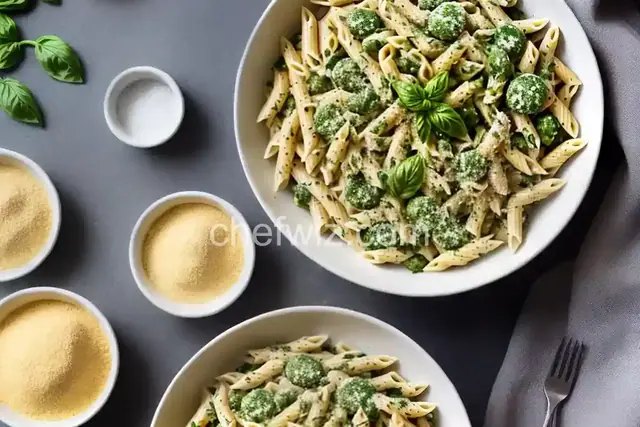
Are you tired of the same old red sauce on your pasta? Looking for a new and exciting twist to your favorite Italian dish? Look no further than white pesto pasta! This creamy, flavorful alternative to traditional tomato-based sauces will leave your taste buds begging for more. In this article, we'll explore the origins of white pesto, how to make it, and some mouthwatering variations that will elevate your pasta game to a whole new level.
White pesto pasta, also known as pesto genovese, originates from the Liguria region of Italy. Unlike its famous cousin, green pesto, which is made with basil, pine nuts, Parmesan cheese, and olive oil, white pesto swaps out the basil for a combination of parsley and marjoram. This unique blend of herbs gives white pesto its distinct flavor profile and adds a refreshing twist to your pasta dishes.
Making white pesto pasta is a breeze. Start by finely chopping fresh parsley and marjoram leaves. Then, in a blender or food processor, combine the herbs with garlic, grated Parmesan cheese, and a drizzle of olive oil. Blend until smooth and creamy. Cook your favorite pasta according to the package instructions, and once al dente, drain and toss with the white pesto sauce. Garnish with a sprinkle of Parmesan cheese and enjoy!
White pesto pasta is incredibly versatile, and there are many ways to take it up a notch. Here are a few variations to try:
Add cooked shrimp to your white pesto pasta for a seafood twist. The creamy sauce pairs perfectly with the delicate flavor of shrimp, creating a luxurious and indulgent dish.
Toss roasted vegetables like zucchini, bell peppers, and cherry tomatoes with your white pesto pasta to add a burst of color and flavor. The roasted veggies bring a hint of sweetness and a satisfying crunch to the dish.
Add tangy goat cheese and sun-dried tomatoes to your white pesto pasta for a delightful combination of flavors. The creamy goat cheese balances out the richness of the sauce, while the sun-dried tomatoes add a burst of sweetness.
These are just a few examples of how you can get creative with white pesto pasta. Feel free to experiment with different ingredients and flavors to find your perfect combination.
White pesto pasta is a delicious twist on a classic dish. With its creamy texture and unique blend of herbs, it's sure to become a new favorite in your repertoire. Whether you stick to the traditional recipe or explore different variations, white pesto pasta will never disappoint. So why not give it a try and elevate your pasta game to new heights?
Absolutely! While parsley and marjoram are the traditional herbs used in white pesto, you can experiment with other herbs like cilantro or tarragon to add your own unique twist.
Yes, white pesto pasta is vegetarian-friendly. The sauce is made with herbs, cheese, and olive oil, making it a great option for vegetarians.
While it's best to enjoy white pesto pasta fresh, you can make the sauce ahead of time and store it in the refrigerator for up to three days. Cook the pasta just before serving and toss it with the sauce for maximum flavor.
Yes, you can freeze white pesto sauce for future use. Transfer it to an airtight container or ice cube trays, and store it in the freezer for up to three months. Thaw it in the refrigerator and stir well before using.
White pesto sauce pairs well with a variety of pasta shapes. Some popular choices include spaghetti, fettuccine, penne, and farfalle. Choose a shape that you enjoy and that will hold the sauce well.
Yes, you can make white pesto pasta gluten-free by using gluten-free pasta. There are many options available, made from ingredients like rice, quinoa, or corn.
While homemade white pesto sauce is always a delicious option, you can use store-bought white pesto sauce if you're short on time. Just make sure to choose a high-quality brand for the best flavor.
Absolutely! White pesto pasta pairs well with various proteins like chicken, shrimp, or even tofu. Simply cook your protein of choice separately and add it to the pasta when tossing with the sauce.
Yes, white pesto can be used as a dip for bread or vegetables. Its creamy and flavorful nature makes it a great accompaniment for appetizers or party platters.
AprilCook, recipe developer and the heart of Chefwiz. More about April