White Frosting
Rate this recipeBe the first to rate
 By AprilPublished
 Have you ever wondered how to achieve that perfect, creamy white frosting for your cakes and cupcakes?
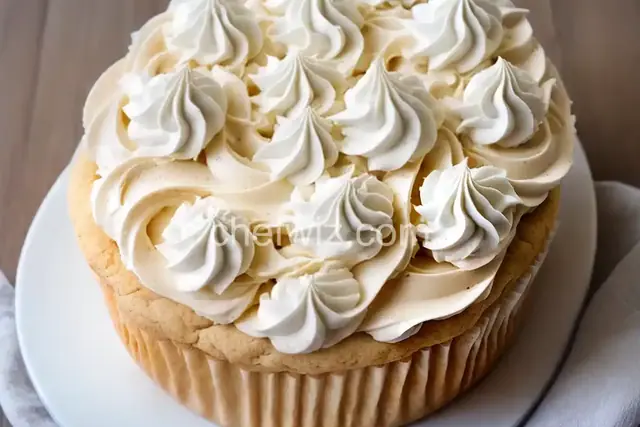 By AprilPublished
 Have you ever wondered how to achieve that perfect, creamy white frosting for your cakes and cupcakes?
In a small saucepan, mix together the milk and flour. Heat the mixture over medium-high heat until it reaches a boiling point. Take it off the heat and let it cool.
Once the milk mixture has cooled down, add the butter, shortening, sugar, and vanilla. Use an electric mixer to beat the mixture for around 10 to 12 minutes, making sure to scrape the bottom of the bowl occasionally.
After frosting the cakes, store them in the refrigerator until half an hour before serving.
Have you ever wondered how to achieve that perfect, creamy white frosting for your cakes and cupcakes? Look no further! In this article, we will dive into the world of white frosting and explore different techniques to make your desserts look irresistible. So, let's get started!
Before we delve into the various methods of making white frosting, it's important to understand the basics. White frosting is a versatile and classic choice for decorating cakes and pastries. It adds a touch of elegance and sophistication to any dessert, making it visually appealing.
Butter is a key ingredient in white frosting. It provides a rich and creamy texture, while also adding a hint of flavor. However, using too much butter can result in a yellowish tint. To maintain a pure white color, it's recommended to use unsalted butter and whip it until fluffy.
Whipping cream is another essential component of white frosting. It adds a light and airy consistency, making the frosting easy to spread. To achieve the perfect texture, whip the cream until stiff peaks form. This will ensure a smooth and velvety frosting.
Clear vanilla extract is a game-changer when it comes to white frosting. It imparts a distinct vanilla flavor without altering the color. Using regular vanilla extract may result in a slightly off-white shade. So, opt for the clear version to maintain the pristine white appearance of your frosting.
Powdered sugar, also known as confectioner's sugar, is the primary sweetener in white frosting. It dissolves easily and gives the frosting a smooth consistency. Make sure to sift the powdered sugar before adding it to the mixture to prevent lumps and achieve a silky texture.
Now that we have covered the basics, let's explore some popular techniques for making white frosting:
The classic buttercream frosting is a go-to option for many bakers. It combines butter, powdered sugar, and vanilla extract to create a creamy and sweet frosting. This versatile frosting can be easily tinted with food coloring for added creativity.
Cream cheese frosting is a tangy and luscious alternative to traditional buttercream. It pairs perfectly with carrot cake, red velvet cake, or cinnamon rolls. The cream cheese adds a delightful richness and a slightly tangy flavor to the frosting.
Whipped cream frosting is light, fluffy, and oh-so-delicious. It's made by folding whipped cream into a mixture of powdered sugar and vanilla extract. This frosting is perfect for those who prefer a less sweet option.
Swiss meringue buttercream is a smooth and silky frosting that is less sweet compared to traditional buttercream. It involves cooking egg whites and sugar over a double boiler and then whipping it into a fluffy consistency. This frosting is ideal for those who appreciate a light and less sugary taste.
Now that you have a good understanding of the basics and different techniques, here are some tips and tricks to ensure your white frosting turns out perfectly:
A chilled mixing bowl and whisk can help you achieve a fluffier and more stable frosting. Place them in the refrigerator for a few minutes before starting the mixing process.
Overmixing can lead to a dense and heavy frosting. Once all the ingredients are combined, stop mixing to prevent any loss of airiness and lightness.
If you decide to add some color to your white frosting, opt for gel food coloring. It provides vibrant and intense shades without altering the texture or consistency of the frosting.
To keep your white frosting fresh, store it in an airtight container in the refrigerator. Make sure to bring it to room temperature before using it on your desserts for easy spreading.
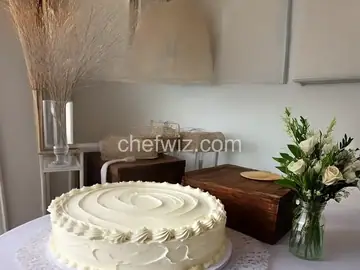
White frosting is the perfect choice for adding a touch of elegance to your cakes and cupcakes. By understanding the basics, exploring different techniques, and applying some helpful tips and tricks, you can create stunning desserts that are sure to impress. So, go ahead and let your creativity shine with deliciously white frostings!
While margarine can be used as a substitute for butter, it may affect the taste and texture of the frosting. Butter is recommended for a rich and authentic flavor.
To make your white frosting less sweet, you can reduce the amount of powdered sugar or use alternative sweeteners like honey or maple syrup. However, keep in mind that this may alter the texture and consistency of the frosting.
Yes, you can freeze white frosting. Place it in an airtight container and store it in the freezer for up to three months. Thaw it in the refrigerator overnight before using, and make sure to give it a good whisk before frosting your desserts.
AprilCook, recipe developer and the heart of Chefwiz. More about April