White Cake
Rate this recipeBe the first to rate
 By AprilPublished
 Have you ever wondered how to make a delicious and fluffy white cake?
 By AprilPublished
 Have you ever wondered how to make a delicious and fluffy white cake?
Preheat the oven to 350°F and position the rack in the center.
Line three 8-inch cake pans with parchment paper. Coat the pans with butter and lightly dust with flour.
In a medium bowl, whisk together the flour, baking powder, salt, and baking soda.
In a large bowl, using a handheld mixer on medium-high speed (or in the large bowl of a stand mixer fitted with the whisk attachment), beat the granulated sugar and butter until light and fluffy, scraping down the sides of the bowl as needed. This should take about 3 to 4 minutes.
Add the oil and continue beating until smooth and creamy.
Add the egg whites in three additions, beating well after each addition. Then beat in the vanilla and almond extract.
Add the sour cream and beat until just combined.
Add about half of the dry ingredients and beat on medium-low speed until only a few dry streaks remain.
Pour in the milk and beat until incorporated.
Add the remaining dry ingredients and beat until just combined.
Divide the batter evenly among the prepared pans and smooth the tops.
Bake for 25 to 35 minutes, or until a tester inserted into the center comes out clean.
Allow the cakes to cool in the pans for 10 minutes, then invert them onto a wire rack and let them cool completely.
In a large bowl, beat the
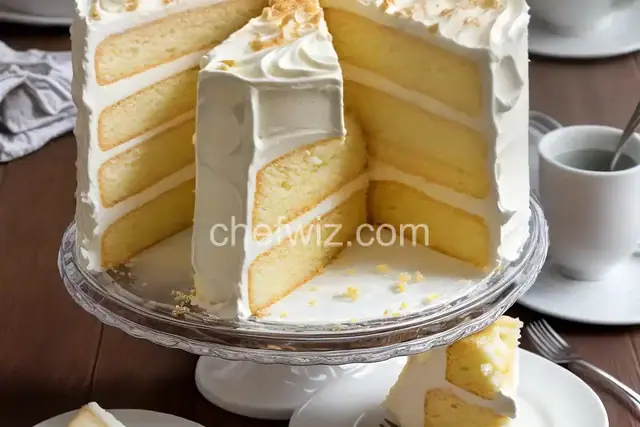
Have you ever wondered how to make a delicious and fluffy white cake? Look no further! In this article, we will explore the secrets to baking the perfect white cake. Whether you're a baking enthusiast or a beginner in the kitchen, this article will guide you step by step. So let's get started!
A white cake is like a blank canvas waiting to be transformed into a masterpiece. Its simplicity and elegance make it a perfect choice for any occasion. Whether it's a birthday, wedding, or just a casual get-together, a white cake never fails to impress. The pure white color symbolizes purity, new beginnings, and celebration. Moreover, its light and delicate texture make it a delightful treat for your taste buds.
When it comes to baking a white cake, using quality ingredients is key. The freshest eggs, pure vanilla extract, and high-quality butter are essential for achieving a moist and flavorful cake. Remember, the better the ingredients, the better the cake!
Ever wondered how some white cakes are so light and fluffy? The secret lies in the mixing process. To achieve that airy texture, it's crucial to beat the butter and sugar until light and creamy. This creates tiny air bubbles that expand during baking, resulting in a fluffy cake.
Baking is a science, and precision is key. Make sure to measure your ingredients accurately using measuring cups and spoons. Even a slight variation can affect the final outcome of your white cake.
Allowing your ingredients, such as eggs and butter, to come to room temperature before baking can make a significant difference. Room temperature ingredients blend more easily, resulting in a smoother batter and a more even rise.
Preheat your oven to the correct temperature before baking your white cake. An oven that is too hot or too cold can affect the baking time and the texture of the cake. Invest in an oven thermometer to ensure accuracy.
Now that your white cake is out of the oven and cooled, it's time to let your creativity shine! Whether you prefer a classic buttercream frosting, a smooth and silky ganache, or a light and fluffy whipped cream, the choice is yours. Add some fresh fruits, edible flowers, or sprinkles to make your white cake even more visually appealing.
Baking a white cake is a delightful journey that combines precision, creativity, and a sprinkle of love. With the right ingredients and techniques, you can create a cake that is not only visually stunning but also incredibly delicious. So why wait? Whip up a batch of white cake batter, preheat your oven, and let your baking adventures begin!
A1: While butter adds richness and flavor to a white cake, you can substitute it with an equal amount of vegetable oil if desired. Just keep in mind that the texture and taste may vary slightly.
A2: Absolutely! You can make a vegan white cake by substituting ingredients like eggs and dairy milk with plant-based alternatives such as flaxseed meal or applesauce and almond milk.
A3: To prevent your white cake from drying out, make sure not to overbake it. Test for doneness by inserting a toothpick into the center of the cake – if it comes out clean or with a few crumbs, it's ready to be taken out of the oven.
A4: Absolutely! While a classic white cake has a delicate vanilla flavor, you can experiment with different extracts like almond or lemon to add a twist of flavor to your cake.
A5: To make your white cake extra moist, you can add ingredients like sour cream, buttermilk, or yogurt to the batter. These ingredients add moisture and richness to the cake.
A6: Yes, you can freeze a white cake. Wrap it tightly in plastic wrap or place it in an airtight container before freezing. Thaw it at room temperature when ready to serve.
A7: A white cake can be stored at room temperature for 2-3 days, but it's best to consume it within the first day or two for maximum freshness. If you need to store it longer, you can refrigerate it for up to a week.
A8: Yes, you can use cake flour instead of all-purpose flour in a white cake recipe. Cake flour results in a lighter and more tender texture, making it a great choice for a white cake.
AprilCook, recipe developer and the heart of Chefwiz. More about April