White Beans and Kale
Rate this recipeBe the first to rate
 By AprilPublished
 Are you tired of the same old dinner options? Looking for a nutritious and delicious dish that will satisfy your taste buds and keep you feeling full?
 By AprilPublished
 Are you tired of the same old dinner options? Looking for a nutritious and delicious dish that will satisfy your taste buds and keep you feeling full?
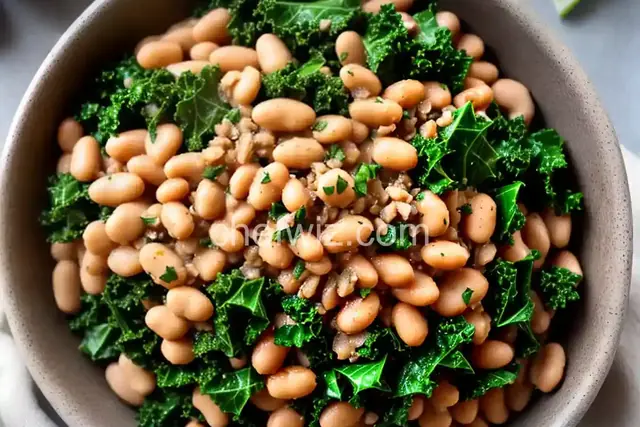
Heat the oil in a large skillet over medium-high heat.
Add the kale to the skillet and cook, stirring occasionally, until wilted for around 3 minutes.
Stir in the beans along with the liquid from the can, lemon zest, 2 cups of water, and a generous pinch of salt and pepper.
Bring the mixture to a simmer and continue cooking, stirring occasionally, until the liquid has reduced and the kale is tender for about 10 to 12 minutes.
Transfer the cooked kale and beans to a serving bowl.
Sprinkle parsley and chives over the top of the dish.
Serve the dish with lemon wedges.
Are you tired of the same old dinner options? Looking for a nutritious and delicious dish that will satisfy your taste buds and keep you feeling full? Look no further than white beans and kale! This simple yet flavorful combination is not only packed with vitamins and minerals but also offers a delightful mix of textures and flavors that will leave you wanting more. In this article, we will explore the benefits of white beans and kale, how to prepare them, and some creative ways to incorporate them into your meals. So, let's dive in!
White beans, also known as cannellini beans, are a versatile and nutritious legume. They are an excellent source of plant-based protein, making them a great option for vegetarians and vegans. Additionally, white beans are high in fiber, which aids in digestion and helps you feel full for longer. They are also packed with essential minerals like iron, magnesium, and potassium. Incorporating white beans into your diet can help improve heart health, regulate blood sugar levels, and support weight management. With all these benefits, why not give them a try?
Kale, often referred to as a superfood, is a leafy green vegetable that deserves a place on your plate. It is incredibly nutrient-dense, loaded with vitamins A, C, and K, as well as antioxidants and fiber. Kale is known for its anti-inflammatory properties and its ability to support immune function. Including kale in your diet can help reduce the risk of chronic diseases, improve digestion, and promote healthy skin. With its vibrant green color and slightly bitter taste, kale adds both flavor and nutrition to any dish.
Now that you know the benefits of both white beans and kale, let's talk about how to prepare them. When it comes to white beans, you have options. You can either use canned beans or cook them from scratch. If you opt for canned beans, make sure to rinse them thoroughly to remove excess sodium. If cooking from scratch, soak the beans overnight, then simmer them until tender. As for kale, remove the tough stems and chop the leaves into bite-sized pieces. You can cook kale by sautéing it with garlic and olive oil or blanching it in boiling water for a few minutes. Both methods yield delicious results.
White beans and kale can be incorporated into a variety of dishes, adding a nutritious twist. One popular option is to make a hearty white bean and kale soup. Simply combine cooked white beans, sautéed kale, vegetable broth, and your choice of seasonings. Let it simmer for a while, and voila! You have a comforting and nourishing bowl of soup. Another idea is to toss white beans and kale with pasta for a simple yet flavorful meal. The combination of creamy beans, tender kale, and al dente pasta creates a satisfying dish that is both healthy and delicious.
White beans and kale are a dynamic duo that can elevate your meals to a whole new level. They not only provide an array of health benefits but also offer a delightful combination of flavors and textures. Whether you're looking for a protein-packed option or a nutritious addition to your favorite recipes, white beans and kale have got you covered. So, why not give them a try and experience the goodness for yourself?
Yes, you can certainly use other beans like black beans or chickpeas as a substitute for white beans in your recipes. However, keep in mind that the taste and texture may differ slightly.
Absolutely! Cooked white beans and kale can be frozen for future use. Just make sure to store them in airtight containers or freezer bags to maintain their freshness.
Yes, both white beans and kale are naturally gluten-free, making them an excellent choice for those following a gluten-free lifestyle.
Definitely! White beans and kale can add a nutritious boost to your salads, providing extra protein, fiber, and vitamins. Just toss them in with your favorite greens and toppings.
While fresh kale is recommended for its vibrant flavor and texture, dried kale can be used as a substitute in certain recipes. Just rehydrate it before using and adjust the cooking time accordingly.
Although it may not be a typical smoothie ingredient, you can certainly experiment with adding white beans and kale to your morning blend. They can provide a protein and nutrient boost to start your day on a healthy note.
Absolutely! You can get creative and use white beans and kale in a variety of dishes. From stir-fries and casseroles to grain bowls and wraps, the possibilities are endless.
Yes, kale is relatively easy to grow in your garden or even in pots. It thrives in cooler weather and can be harvested as needed. Just make sure to provide it with enough sunlight and water.
AprilCook, recipe developer and the heart of Chefwiz. More about April