Whipped Potatoes
Rate this recipeBe the first to rate
 By AprilPublished
 Are you craving a side dish that is velvety, smooth, and oh-so-delicious?
 By AprilPublished
 Are you craving a side dish that is velvety, smooth, and oh-so-delicious?
Start by peeling the potatoes and cutting them into thin slices using a mandoline. Place the sliced potatoes into a large container filled with cold water and refrigerate overnight.
The next day, drain the potatoes and rinse them with clean, cold water. Use a salad spinner to spin dry the potatoes.
Transfer the potatoes to a large pot that can hold at least 11 quarts. Pour milk over the potatoes and place the pot over medium heat. Allow the mixture to come to a simmer, which should take about 35 minutes.
Once simmering, reduce the heat to maintain a simmer and continue cooking the potatoes uncovered. They should become fork tender and start to fall apart within 25 to 30 minutes.
Before proceeding, set aside 1 cup of the milk used for cooking. Drain the potatoes thoroughly using a colander and then return them to the pot.
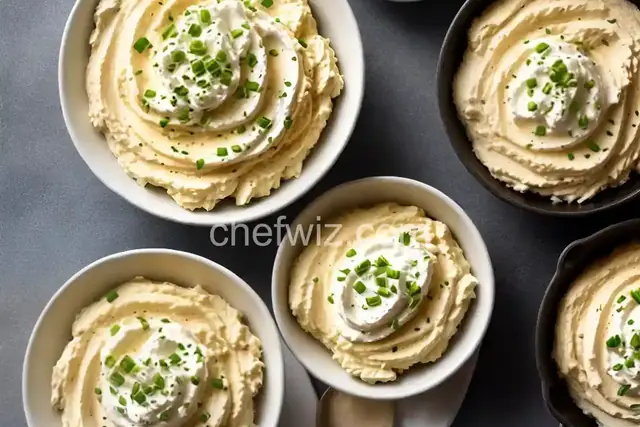
Press the potatoes through a ricer into a large mixing bowl. Add the reserved hot milk, butter, and salt to the bowl.
Using an electric hand mixer on low speed, whip the potatoes for 15 to 30 seconds. Be careful not to overwhip.
Are you craving a side dish that is velvety, smooth, and oh-so-delicious? Look no further than whipped potatoes! These heavenly mashed potatoes are the epitome of comfort food, making any meal feel like a warm hug. In this article, we'll explore the magic of whipped potatoes, from their rich history to the art of making them just right. So, grab a spoon and let's dive in!
Whipped potatoes have a long and fascinating history. They have been a staple in many cultures, with each region adding its own unique twist to the recipe. Whether you call them mashed potatoes, whipped potatoes, or even pommes purée, one thing remains constant - their ability to bring people together.
Did you know that whipped potatoes date back to the 17th century? They were introduced to Europe by explorers who brought back potatoes from the Americas. Initially, they were considered a luxury reserved for the elite, but as the potato gained popularity, whipped potatoes became a beloved dish for all.
Creating the perfect whipped potatoes requires a delicate balance of technique and ingredient selection. Just like a symphony conductor, you must orchestrate each step to achieve a harmonious result. The key lies in choosing the right type of potato, such as Yukon Gold or Russet, which have a higher starch content and yield a fluffier texture.
Once you've selected your potatoes, it's time to cook them to perfection. Boiling them until they are tender is crucial, as it allows for easy mashing and whipping. But don't stop there! Add a touch of salt to the water for enhanced flavor.
After draining the potatoes, it's time to let your creativity shine. Some prefer to add butter for a luxurious taste, while others opt for cream or milk to achieve that perfect creamy consistency. A dash of black pepper or a sprinkle of chives can elevate the flavor profile even further.
One of the best things about whipped potatoes is their versatility. They are the perfect accompaniment to any meal, whether it's a juicy steak, roasted chicken, or a vegetarian delight. Their creamy texture and mild flavor complement a wide range of dishes, making them a crowd-pleaser at any gathering.
Not only are whipped potatoes a delicious side dish, but they also serve as a blank canvas for your culinary creativity. You can add garlic for a savory twist, cheese for a gooey delight, or even herbs for an aromatic experience. The possibilities are endless!
Whipped potatoes are more than just a side dish; they are a comforting indulgence that brings people together. Whether you're enjoying them at a family dinner or a fancy restaurant, these creamy delights never fail to satisfy. So, the next time you're in need of some comfort food, whip up a batch of mashed potatoes and let the magic unfold.
Mashed potatoes are typically made by mashing the cooked potatoes using a potato masher or a fork, resulting in a chunkier texture. Whipped potatoes, on the other hand, are made by using an electric mixer or a food processor to achieve a lighter and fluffier consistency.
While you can use any type of potato, it's recommended to use varieties with higher starch content, such as Yukon Gold or Russet potatoes. These types of potatoes yield a fluffier texture when whipped.
Absolutely! You can make whipped potatoes ahead of time and reheat them when needed. To maintain their creamy texture, add a bit of extra butter or cream before reheating.
Yes, whipped potatoes are naturally gluten-free. However, be cautious of any additional ingredients you may add, such as gravy or seasonings, as they might contain gluten.
Yes, you can make whipped potatoes without dairy by substituting butter and cream with non-dairy alternatives such as olive oil or vegetable broth. The result may differ slightly in texture and flavor but can still be delicious.
To make whipped potatoes healthier, you can reduce the amount of butter or cream used, or even substitute them with low-fat alternatives. Additionally, adding roasted garlic or herbs can enhance the flavor without adding extra calories.
While it's possible to freeze whipped potatoes, the texture may change slightly upon thawing. It's best to freeze them in an airtight container and reheat them slowly over low heat, adding a bit of extra butter or cream for moisture.
Leftover whipped potatoes can be transformed into delicious dishes. You can use them as a filling for shepherd's pie, mix them with breadcrumbs to make potato croquettes, or even use them as a topping for a hearty casserole. Let your creativity run wild!
AprilCook, recipe developer and the heart of Chefwiz. More about April