Welsh Bread
Rate this recipeBe the first to rate
 By AprilPublished
 When it comes to traditional Welsh cuisine, one cannot help but think of the mouthwatering Welsh bread.
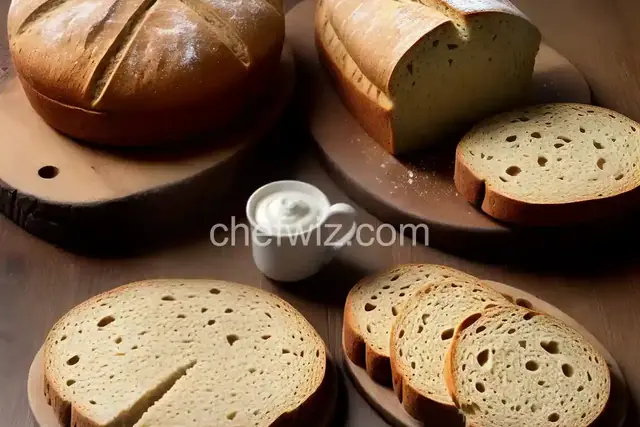 By AprilPublished
 When it comes to traditional Welsh cuisine, one cannot help but think of the mouthwatering Welsh bread.
Combine the vinegar and milk, then let it stand for at least 15 minutes or until the mixture thickens.
In the order specified by your bread machine's manufacturer, add the vinegar mixture, brown sugar, egg, butter, salt, molasses, bread flour, baking soda, caraway seeds, and yeast.
Set your bread machine to the basic cycle (fruit bread, white bread, etc) and choose the medium crust setting.
Follow your bread machine's instructions for adding the raisins.
Alternatively, you can mix the bread ingredients in the bread machine and then bake it in the oven. Start by setting the bread machine to the dough setting.
Once the dough is ready, remove it from the machine and shape it into a loaf. Cover it and let it rise in a warm place until it is just under doubled in size. This should take approximately 1 hour.
Preheat your oven to 375 degrees F (190 degrees C), then bake the bread for 30 to 45 minutes.
The bread is ready when it has a golden brown color and sounds hollow when thumped on the bottom.
When it comes to traditional Welsh cuisine, one cannot help but think of the mouthwatering Welsh bread. This delightful treat has been a staple in Welsh households for generations, and its distinct flavors and textures have made it a beloved favorite not only in Wales but also around the world. In this article, we will explore the history, characteristics, and cultural significance of Welsh bread, leaving you with a newfound appreciation for this delectable masterpiece.
Welsh bread has a long and storied history that dates back centuries. Its origins can be traced back to the medieval times when baking became an integral part of Welsh culture. The traditional recipe has been passed down through generations, ensuring that the art of Welsh bread-making is preserved and celebrated.
What sets Welsh bread apart from other types of bread is its unique texture and flavor. Unlike its counterparts, Welsh bread has a dense and moist interior, with a crusty exterior that adds a satisfying crunch. The secret to its heavenly taste lies in the use of high-quality ingredients, including locally sourced flour, yeast, and a touch of honey. The combination of these elements creates a bread that is both wholesome and indulgent.
Welsh bread is not just a culinary delight, but also a symbol of Welsh identity and heritage. It is often served during special occasions and celebrations, where families come together to share stories and create lasting memories. The act of breaking bread has a profound significance in Welsh culture, signifying unity, warmth, and hospitality.
Answer: There are several types of Welsh bread, each with its own unique characteristics. Some popular varieties include Bara Brith, a fruit loaf infused with tea, and Teisen Lap, a traditional Welsh cake-like bread.
Welsh bread is not just a simple loaf; it is a reflection of the rich history and cultural heritage of Wales. Its distinct characteristics and mouthwatering taste make it a true delight for the senses. Whether enjoyed as a slice with butter or used creatively in recipes, Welsh bread is sure to leave you craving for more. So, why not embark on a culinary adventure and experience the magic of Welsh bread for yourself?
Answer: Absolutely! With the right ingredients and a little patience, you can recreate the magic of Welsh bread in your own kitchen. Follow a trusted recipe and savor the joy of homemade Welsh bread.
Answer: Traditional Welsh bread contains gluten due to the use of wheat flour. However, there are gluten-free alternatives available for those with dietary restrictions, allowing everyone to enjoy the taste of Wales.
Answer: To maintain its freshness, store Welsh bread in a cool and dry place, preferably in a bread box or wrapped in a clean cloth. Avoid refrigeration, as it can cause the bread to become stale.
Answer: Yes, Welsh bread can be frozen for later consumption. Wrap it tightly in plastic wrap or place it in a freezer-safe bag to prevent freezer burn. Thaw it at room temperature when ready to enjoy.
Answer: Welsh bread can be enjoyed in various ways. It is often served sliced and spread with butter or jam. It also pairs well with a hot cup of tea or as the base for a delicious sandwich.
Answer: Absolutely! Welsh bread can be used as an ingredient in various dishes. It can be transformed into breadcrumbs for coating meats or used as the base for a delectable bread pudding.
Answer: While Welsh bread is most commonly found in Wales, it is also available in specialty stores and online retailers around the world. Indulge in the taste of Wales no matter where you are!
AprilCook, recipe developer and the heart of Chefwiz. More about April