Vietnamese Pickled Daikon and Carrots for Banh Mì (Do Chua) Recipe
Rate this recipeBe the first to rate
 By AprilPublished
 Are you craving the tangy, crisp, and refreshing flavors of Vietnamese cuisine?
 By AprilPublished
 Are you craving the tangy, crisp, and refreshing flavors of Vietnamese cuisine?
In a large bowl, mix together carrots, radish, sugar, and salt.
Using your fingertips, gently rub the salt and sugar into the vegetables until dissolved.
Pour water and rice vinegar into the bowl.
Transfer the vegetables into a quart-sized mason jar, packing them tightly.
The pickles can be used right away, but for the best flavor, seal the jar and refrigerate it for at least overnight or up to 1 week.
Are you craving the tangy, crisp, and refreshing flavors of Vietnamese cuisine? Look no further than the iconic Banh Mì sandwich. This delectable sandwich is a harmonious blend of French and Vietnamese influences, and one of its key components is the pickled daikon and carrots, also known as Do Chua. In this article, we will dive into the art of making this essential condiment and explore the flavors and techniques that make it so special.
Do Chua is a Vietnamese term that translates to "pickled stuff." It is a combination of daikon radish and carrots that have been pickled in a sweet and tangy brine. The result is a vibrant and crunchy topping that adds a delightful contrast to the savory ingredients in a Banh Mì sandwich. The pickling process enhances the flavors of the vegetables, giving them a tangy and slightly sour taste that complements the richness of the other ingredients.
Pickling is an ancient preservation method that has been used by cultures around the world for centuries. It involves immersing vegetables or fruits in a brine or vinegar solution, which not only extends their shelf life but also imparts unique flavors and textures. In the case of Do Chua, the pickling process transforms the raw daikon and carrots into a vibrant and tangy condiment that takes a Banh Mì sandwich to the next level.
The key to achieving the perfect balance of flavors in Do Chua lies in the brine. The brine typically consists of a mixture of rice vinegar, sugar, and salt. The rice vinegar provides a mild and slightly sweet acidity, while the sugar adds a touch of sweetness to balance out the tanginess. The salt not only enhances the flavors but also helps to draw out excess moisture from the vegetables, resulting in a crisp and crunchy texture.
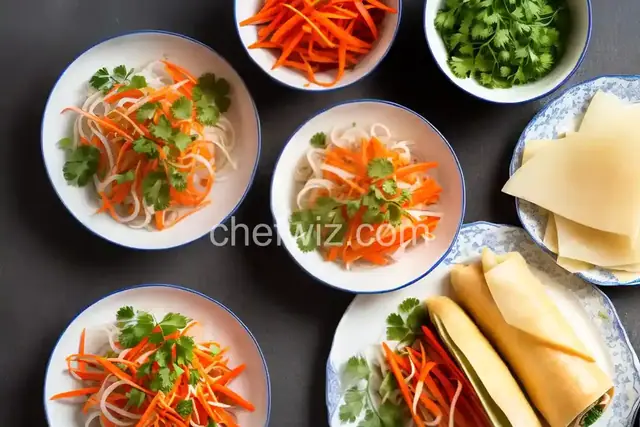
Do Chua is not only a feast for the taste buds but also a visual delight. The vibrant hues of the pickled daikon and carrots add a pop of color to any dish, making it visually appealing. The contrast between the bright orange carrots and the pale white daikon creates a beautiful symphony of colors that adds to the overall sensory experience.
While Do Chua is a staple in Banh Mì sandwiches, its uses extend far beyond this iconic dish. Its tangy and refreshing flavors make it a versatile condiment that can elevate a wide range of dishes. Add it to rice bowls, salads, tacos, or even grilled meats for a burst of flavor and crunch. The possibilities are endless!
Do Chua is more than just a pickled condiment; it is a flavor-packed journey that enhances the overall dining experience. The combination of tangy daikon and carrots, the perfect balance of flavors, and the vibrant colors make it a must-have in any Vietnamese-inspired dish. So, the next time you indulge in a Banh Mì or any other Vietnamese delicacy, don't forget to savor the magic of Do Chua!
While daikon and carrots are traditional choices for Do Chua, you can certainly experiment with other vegetables like cucumbers, radishes, or even green papaya. Just make sure to adjust the pickling time and brine accordingly.
Properly stored Do Chua can last for several weeks in the refrigerator. Make sure to use a clean and airtight container to preserve its freshness.
Absolutely! The beauty of making your own Do Chua is that you have full control over the flavors. Adjust the amount of sugar and vinegar in the brine to suit your taste preferences.
Vinegar is an essential component of Do Chua as it provides the tanginess. However, if you prefer a milder flavor, you can use less vinegar or substitute it with lime juice.
It is generally not recommended to reuse the pickling brine as it may contain bacteria from the vegetables. It's best to make a fresh batch of brine for each pickling session.
For the best texture and pickling experience, it is recommended to slice the daikon and carrots into thin matchstick-like strips. This allows the flavors of the brine to penetrate the vegetables evenly.
If you enjoy a kick of heat, you can add some sliced chili peppers or a few dashes of hot sauce to the pickling brine. This will give your Do Chua a spicy twist.
While it is possible to freeze Do Chua, the texture and crispness may be compromised upon thawing. It is best enjoyed fresh or stored in the refrigerator for optimal quality.
AprilCook, recipe developer and the heart of Chefwiz. More about April