Vietnamese Noodle Soup
Rate this recipeBe the first to rate
 By AprilPublished
 When it comes to comfort food, few dishes can compete with a warm and flavorful bowl of Vietnamese noodle soup.
 By AprilPublished
 When it comes to comfort food, few dishes can compete with a warm and flavorful bowl of Vietnamese noodle soup.
Prepare the rice noodles according to the instructions on the label.
Place a large pot over high heat. Use a fork to poke holes all over the meat to tenderize it, and season with salt and pepper.
Sear the meat on each side until it is charred but still rare, approximately 2 to 3 minutes per side. Then, transfer the meat to a plate.
Add the onion and ginger to the pot. Cook for about 4 minutes.
Add the broth, 3 cups of water, star anise, and cinnamon to the pot. Reduce the heat and let it simmer for approximately 20 minutes.
While the broth is simmering, thinly slice the scallions and jalapenos (remove seeds for less heat), and tear the cilantro. Thinly slice the meat against the grain. Drain the noodles.
Add the fish sauce to the broth and let it boil for 5 minutes. Then, discard the ginger, star anise, and cinnamon stick. Remove and slice the onion.
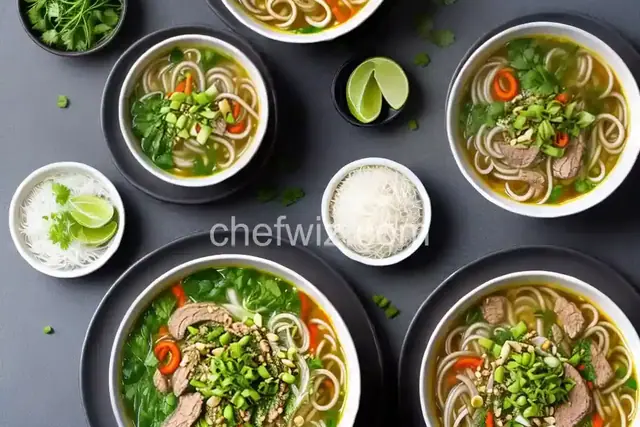
Divide the noodles among 4 bowls. Top them with the broth, beef, scallions, cilantro, bean sprouts, jalapenos, and onion.
When it comes to comfort food, few dishes can compete with a warm and flavorful bowl of Vietnamese noodle soup. This beloved dish, also known as pho, is a staple in Vietnamese cuisine and has gained popularity worldwide. From its aromatic broth to its tender noodles and delectable toppings, Vietnamese noodle soup is a true delight for the senses.
The heart and soul of Vietnamese noodle soup lies in its broth. Made with a combination of beef or chicken bones, aromatic spices, and fragrant herbs, the broth simmers for hours, allowing all the flavors to meld together. The result is a rich and savory base that forms the foundation of the dish.
No Vietnamese noodle soup would be complete without its namesake ingredient – the noodles. Traditionally made from rice flour, these thin and delicate noodles add a satisfying chewiness to each spoonful. Whether you prefer the flat and wide rice noodles or the thin vermicelli noodles, there's a style to suit every palate.
What sets Vietnamese noodle soup apart is the array of toppings that accompany it. From thinly sliced beef or chicken to tender meatballs, the protein choices are plentiful. Fresh herbs like cilantro and Thai basil add a burst of freshness, while bean sprouts and lime provide a tangy crunch. And let's not forget the condiments – hoisin sauce and Sriracha bring a touch of sweetness and heat, allowing you to customize your bowl to your taste.
While the exact origins of Vietnamese noodle soup are unclear, it is believed to have originated in northern Vietnam in the early 20th century. Over time, it has evolved and become a beloved dish throughout the country. Today, pho stands as a symbol of Vietnamese culture and is often enjoyed as a hearty breakfast or a comforting meal on a rainy day.
When you sit down to enjoy a bowl of Vietnamese noodle soup, you're not just eating a meal – you're embarking on a sensory experience. The fragrant steam rising from the bowl, the vibrant colors of the toppings, the complex flavors of the broth – all come together to create a symphony of taste and aroma.
While traditional pho is made with beef or chicken, there are endless variations to suit different preferences. Vegetarians can enjoy a flavorful vegetarian pho made with mushrooms and tofu, while seafood lovers can savor a seafood pho with shrimp and fish. The possibilities are endless, allowing everyone to find their pho-vorite.
Vietnamese noodle soup, or pho, is a culinary masterpiece that combines fragrant broth, tender noodles, and a variety of flavorful toppings. Each bowl is a representation of Vietnamese culture and a testament to the artistry of Vietnamese cuisine. So next time you're craving comfort food, why not give Vietnamese noodle soup a try? Your taste buds will thank you.
The traditional choice is beef or chicken, but you can also use seafood or make a vegetarian version with mushrooms and tofu.
While fish sauce is a key ingredient in Vietnamese cuisine, you can substitute it with soy sauce if you prefer.
Yes, you can find rice noodles that are gluten-free and suitable for those with gluten intolerance or celiac disease.
The correct pronunciation is "fuh," like saying the word "fun" without the "n."
Yes, you can freeze the broth separately from the noodles and toppings. Just make sure to store them in airtight containers.
Common garnishes include bean sprouts, Thai basil, lime wedges, and sliced chili peppers.
It can be spicy, depending on the amount of chili peppers or Sriracha sauce you add. However, you can adjust the heat level to your preference.
While it's best enjoyed fresh, you can prepare the broth and store it in the refrigerator for up to three days. Cook the noodles and add the toppings just before serving.
AprilCook, recipe developer and the heart of Chefwiz. More about April