Vietnamese Beef Pho
Rate this recipeBe the first to rate
 By AprilPublished
 Are you ready to embark on a culinary adventure that will tantalize your taste buds?
 By AprilPublished
 Are you ready to embark on a culinary adventure that will tantalize your taste buds?
In a large pot, combine the broth, onion, ginger, lemongrass, cinnamon, and peppercorns.
Bring the mixture to a boil, then reduce the heat and cover the pot.
Let the mixture simmer for 1 hour.
Arrange the bean sprouts, basil, mint, and cilantro on a platter, along with the peppers and limes.
Place the noodles in a bowl and cover them with hot water. Let them soak until they become soft, which should take about 15 minutes. Then, drain the noodles.
Divide the noodles into 6 large soup bowls.
Place raw beef on top of the noodles in each bowl.
Ladle the hot broth over the noodles and beef.
Serve the hoisin, hot pepper, and fish sauces alongside the soup.
Also, pass the platter with garnishes for individuals to add according to their preference.
Are you ready to embark on a culinary adventure that will tantalize your taste buds? Look no further than Vietnamese Beef Pho! This iconic dish is a delicious combination of flavors and textures that will leave you craving for more. In this article, we will explore the origins of Pho, its unique ingredients, and the art of savoring this delectable dish.
Pho, pronounced "fuh," is a traditional Vietnamese soup that has gained global popularity. It originated in Northern Vietnam in the early 20th century and quickly became a staple in Vietnamese cuisine. Originally a humble street food, Pho has evolved into a beloved dish that can be found in restaurants around the world.
The heart of Pho lies in its rich and flavorful broth. Made by simmering beef bones, aromatic spices, and herbs for hours, the broth becomes a symphony of savory and fragrant notes. It's as if every spoonful transports you to the bustling streets of Hanoi.
Creating the perfect Pho broth is an art that requires patience and attention to detail. The bones are carefully selected and roasted to enhance their flavor. A combination of spices such as star anise, cloves, and cinnamon are added to create a warm and aromatic base. Fresh herbs like cilantro and Thai basil add a refreshing touch.
Simmering the broth for hours allows the flavors to meld together, resulting in a rich and complex taste. The slow cooking process also ensures that the broth is packed with essential nutrients and minerals.
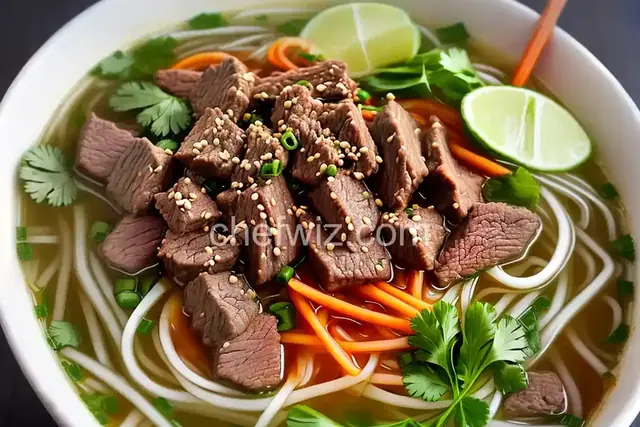
No Pho experience is complete without the addition of rice noodles and tender slices of beef. The noodles, known as "banh pho," are made from rice flour and have a delicate texture that complements the broth. They are cooked separately and added to the bowl just before serving.
The beef in Pho can be enjoyed in various forms, from thinly sliced rare beef that cooks in the hot broth to more substantial cuts like brisket and beef balls. The meat is added to the bowl alongside the noodles, and the piping hot broth is poured over the top.
Part of the joy of eating Pho is personalizing it to your liking. A plate of fresh bean sprouts, lime wedges, sliced chili peppers, and Thai basil are served alongside the bowl of Pho. These garnishes add a burst of freshness and allow you to tailor the flavors to your preferences.
Additionally, condiments like hoisin sauce and sriracha are commonly offered to add a touch of sweetness or spiciness to your Pho. These flavors play harmoniously with the savory broth and create a symphony of tastes in your mouth.
Pho is not just a dish; it's a ritual. To fully appreciate its flavors, follow these steps:
Remember, Pho is not meant to be rushed. It's a dish that invites you to slow down, appreciate the moment, and indulge in its deliciousness.
Vietnamese Beef Pho is a dish that captures the essence of Vietnamese cuisine. From its origins in the streets of Vietnam to its global popularity, Pho has become a beloved comfort food for many. The combination of flavorful broth, tender beef, and delicate noodles creates a symphony of tastes that will transport you to the vibrant streets of Hanoi. So, next time you're in the mood for an unforgettable culinary experience, treat yourself to a steaming bowl of Vietnamese Beef Pho.
Yes, Pho can be gluten-free if rice noodles are used instead of wheat-based noodles. However, it's always best to check with the restaurant to ensure there are no hidden sources of gluten in the broth or condiments.
Absolutely! While the traditional Pho is made with beef broth, you can substitute it with vegetable broth and add tofu or mushrooms for a vegetarian version. The flavors may differ, but the essence of Pho will still shine through.
Pho can be enjoyed with a mild or spicy kick, depending on your preference. The level of spiciness can be adjusted by adding more chili peppers or sriracha sauce to your bowl.
Yes, you can freeze leftover Pho broth for future enjoyment. However, it's best to consume the noodles and beef immediately as they may lose their texture after freezing.
Absolutely! Pho is a versatile dish that can be customized to your liking. You can add additional herbs, vegetables, or even experiment with different cuts of meat to create your own unique Pho experience.
Pho is pronounced as "fuh." The "ph" is pronounced as an "f" sound.
Pho can be a nutritious option, especially when made with high-quality ingredients and minimal added fats. The broth is rich in collagen, amino acids, and minerals, making it a nourishing choice.
While Pho is often associated with warming up during colder months, it can be enjoyed all year round. In Vietnam, Pho is a popular dish even in the sweltering heat, as it provides a refreshing and satisfying meal.
AprilCook, recipe developer and the heart of Chefwiz. More about April