Vienna Schnitzel
Rate this recipeBe the first to rate
 By AprilPublished
 Have you ever wondered what makes the Vienna Schnitzel so special?
 By AprilPublished
 Have you ever wondered what makes the Vienna Schnitzel so special?
Preheat the deep-fryer to 350 degrees F (175 degrees C).
Place the meat on a solid, level surface and use a mallet to pound it until it becomes 1/8 to 1/4 inch thick.
Prepare two separate dishes, one for flour and another for bread crumbs. It is recommended to use soup plates.
Lightly beat the eggs and add the milk. Season the mixture with a light amount of salt and pepper. Place this mixture into another soup plate.
Coat the meat with flour by gently patting it with your hand. Then, using a fork to hold the meat, dip it into the egg mixture and allow any excess to drain off.
Next, coat the meat with breadcrumbs by lightly pressing the crumbs into it.
Once each piece of meat has been prepared, deep fry them in cooking oil until they turn golden brown.
Please note that the nutritional value of oil used for frying may vary depending on factors such as cook time, temperature, ingredient density, and the specific type of oil used.
Have you ever wondered what makes the Vienna Schnitzel so special? Why is it considered one of Austria's most iconic dishes? In this article, we will dive into the history, the preparation, and the cultural significance of this mouthwatering delicacy.
The Vienna Schnitzel has its roots in the 19th century, where it was introduced to Austria by the Italians. However, it quickly became an integral part of Austrian cuisine and gained popularity throughout the country. Legend has it that the dish was inspired by the Italian dish "Cotoletta alla Milanese," but Austrians added their own twist to it.
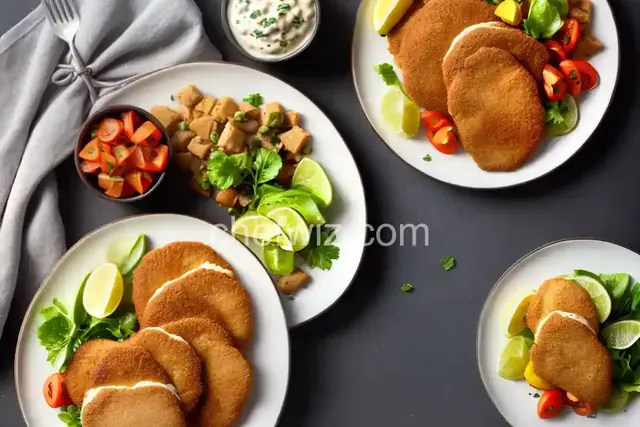
So, how is the Vienna Schnitzel prepared? It starts with a thin, tenderized piece of meat, usually veal, but sometimes pork or chicken. The meat is then coated in flour, dipped in beaten eggs, and covered with breadcrumbs. This process gives the Schnitzel its signature crispy and golden-brown crust. It is then fried in hot oil until it reaches perfection.
The Vienna Schnitzel is typically served with a slice of lemon and a side of potato salad or fries. The acidity of the lemon adds a tangy freshness to the dish, while the potato salad or fries provide a perfect balance of flavors. It is often enjoyed with a cold beer or a glass of Austrian white wine.
The Vienna Schnitzel holds a special place in Austrian culture. It is not just a dish; it is a symbol of tradition and national pride. Austrians take great pride in their Schnitzel, and many restaurants compete to serve the best one in town. It is also a staple on menus during festive occasions and celebrations.
Viennese cuisine is known for its rich flavors and hearty dishes, and the Vienna Schnitzel is no exception. It represents the essence of Austrian culinary heritage and showcases the country's love for simple, yet delicious food. The Schnitzel has become an ambassador for Viennese cuisine worldwide.
When you take a bite of a perfectly cooked Vienna Schnitzel, you embark on a culinary journey through Austria's history and culture. Each bite is a combination of flavors and textures that tell a story of tradition, craftsmanship, and passion for good food.
Yes, while traditionally made with veal, you can use pork or chicken as a substitute for the Vienna Schnitzel.
Yes, breadcrumbs are essential for achieving the crispy texture that defines the Vienna Schnitzel.
While frying is the traditional method, you can also bake the Schnitzel for a healthier alternative. However, it may not have the same crispy crust.
Potato salad and fries are the most popular choices, but you can also serve it with a fresh green salad or roasted vegetables.
It is not recommended to freeze the Schnitzel, as it may affect the texture and taste. It is best enjoyed fresh.
The cooking time depends on the thickness of the meat. On average, it takes about 2-3 minutes per side.
Yes, you can use gluten-free alternatives for both the flour and breadcrumbs to make a gluten-free Vienna Schnitzel.
While it is best enjoyed fresh, you can refrigerate the leftovers and reheat them in the oven or a pan. However, the crispy texture may not be the same.
In conclusion, the Vienna Schnitzel is more than just a dish; it is a culinary masterpiece that represents Austrian culture and tradition. Its crispy crust, tender meat, and rich flavors make it a favorite among locals and visitors alike. Whether you indulge in it at a traditional Viennese restaurant or prepare it at home, the Vienna Schnitzel is a must-try for any food enthusiast.
AprilCook, recipe developer and the heart of Chefwiz. More about April