Verenika
Rate this recipeBe the first to rate
 By AprilPublished
 Have you ever wondered what makes a dish truly special? Is it the ingredients, the preparation, or the memories it evokes?
 By AprilPublished
 Have you ever wondered what makes a dish truly special? Is it the ingredients, the preparation, or the memories it evokes?
In a mixing bowl, combine cottage cheese, 2 eggs, and 1/4 teaspoon of pepper. Use an electric mixer to beat the mixture until smooth. Set the filling aside.
In a large bowl, stir together flour, milk powder, baking powder, and 1/2 teaspoon of salt.
In a small bowl, beat together 2 eggs, water, and oil. Combine this mixture with the flour mixture and mix until smooth.
On a floured surface, knead the dough until smooth, approximately 10 times.
Divide the dough in half and roll out each portion to a thickness of 1/8 inch. Use a 4-inch round cutter to cut out rounds of dough.
Place 1 tablespoon of cottage cheese filling in the center of each dough round. Moisten the edges of the dough and fold it over to form a half-moon shape. Pinch the edges to seal.
Bring a large pot of water to a boil. Add half of the dumplings and cook until tender, around 8 to 10 minutes. Use a slotted spoon to remove the cooked dumplings to a plate. Repeat with the remaining dumplings.
In a medium saucepan, melt butter over medium-low heat. Stir in ham and cook until the ham is light brown.
Stir in 3 tablespoons of flour, 1/2 teaspoon of salt, and 1/8 teaspoon
Have you ever wondered what makes a dish truly special? Is it the ingredients, the preparation, or the memories it evokes? Verenika, a traditional dish passed down through generations, is a perfect example of culinary excellence. In this article, we will delve into the origins, flavors, and significance of Verenika, and discover why it holds a special place in the hearts of many.
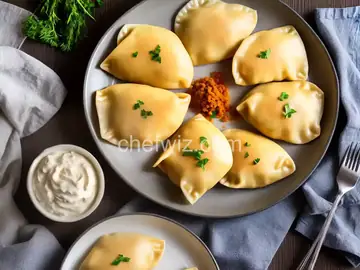
Verenika, also known as vareniki or pierogi, originated in Eastern Europe and has become a staple in many households around the world. These dumplings are made from a simple dough, filled with a variety of delicious ingredients, and then boiled or fried to perfection.
Legend has it that Verenika was created by a wise grandmother who wanted to nourish her family during difficult times. She used the ingredients she had available and turned them into a comforting and delicious dish. Since then, Verenika has been a symbol of love, family, and resilience.
One bite into a Verenika and you'll be transported to a world of flavors. The soft and tender dough wraps around a delectable filling, creating a harmonious blend of textures. Whether filled with cheese, potatoes, sauerkraut, or fruits, each Verenika variation offers a unique taste experience.
Imagine biting into a Verenika filled with creamy potato and cheese, the flavors melding together in a delightful harmony. Or savoring a sweet Verenika filled with juicy berries, the burst of sweetness tantalizing your taste buds. The possibilities are endless, and each bite is a journey of culinary delight.
Verenika is not just a dish; it's an embodiment of culture and tradition. It brings families together, creating an atmosphere of warmth and togetherness. The process of making Verenika often involves multiple generations working side by side, sharing stories, laughter, and love.
Just like the layers of dough and filling, Verenika represents the layers of history and heritage. With every bite, we connect with our roots, honoring the traditions that have been passed down through time. It's a reminder of the importance of preserving our culinary heritage for future generations to enjoy.
Verenika is more than just a dish; it's a cultural treasure that brings people together. From its humble origins to the diverse flavors it offers, Verenika captures the essence of tradition and love.
So, next time you savor a Verenika, take a moment to appreciate the history and craftsmanship that goes into each bite. Let it transport you to a world of flavors and memories, and celebrate the joy of sharing a meal with loved ones.
Boiling Verenika is the most common method, but you can also try frying them for a crispy texture.
Absolutely! Verenika freezes well, making it convenient for future meals. Just make sure to seal them properly to maintain their freshness.
While there are similarities, Verenika is traditionally made with a thinner dough and a wider range of fillings.
Yes, Verenika can be filled with sweet ingredients like fruits or sweet cheese for a delicious dessert option.
Verenika can be made with both vegetarian and non-vegetarian fillings. It's a versatile dish that can cater to different dietary preferences.
Popular Verenika fillings include potato and cheese, sauerkraut and mushroom, cottage cheese, and various fruits.
Absolutely! Verenika pairs well with sour cream, melted butter, or even a tangy tomato sauce.
The preparation time may vary, but on average, it takes around 2-3 hours to make Verenika from scratch.
AprilCook, recipe developer and the heart of Chefwiz. More about April