Vegetarian Pad Thai
Rate this recipeBe the first to rate
 By AprilPublished
 Are you a fan of Thai cuisine? If so, you've probably heard of Pad Thai.
 By AprilPublished
 Are you a fan of Thai cuisine? If so, you've probably heard of Pad Thai.
To cook the noodles, follow the instructions provided on the package.
To make the sauce, mix together the tamarind, brown sugar, sriracha, lime juice, and soy sauce in a small bowl until well blended.
To prepare the stir fry, heat oil in a large nonstick skillet over medium heat. Add tofu and shallots, and cook for about 4 to 5 minutes until they turn lightly brown. Push the tofu and shallots to one side of the skillet to allow excess oil to drain into the middle.
In the middle of the skillet, add the beaten egg and cook while occasionally stirring and chopping it until fully cooked, which should take about 30 seconds. Then, add the peppers and cook for approximately 2 minutes to slightly soften them.
Next, add the cooked noodles, bean sprouts, scallions, and sauce to the skillet. Mix everything together, ensuring that the tofu, egg, and other ingredients are coated with the sauce. Stir-fry for about 3 to 5 minutes to thicken the sauce.
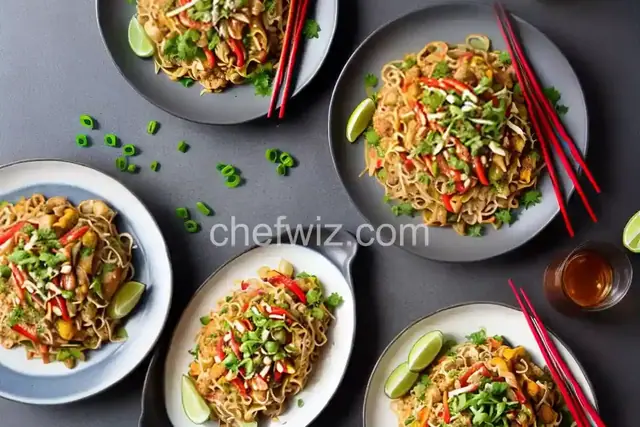
Transfer the stir fry onto a serving plate and garnish with peanuts and cilantro. Serve immediately with lime wedges.
Are you a fan of Thai cuisine? If so, you've probably heard of Pad Thai. This mouthwatering dish is a staple in Thai restaurants around the world. But did you know that you can enjoy a vegetarian version of Pad Thai that is just as flavorful and satisfying? In this article, we'll explore the world of vegetarian Pad Thai and discover how it can be a delicious twist on a classic dish.
Pad Thai is a dish that combines stir-fried rice noodles with a variety of ingredients, such as tofu, vegetables, and peanuts. It's known for its unique blend of flavors, which include sweet, sour, and savory. The combination of tangy tamarind sauce, crunchy peanuts, and aromatic herbs creates a symphony of taste that is sure to delight your taste buds.
Traditionally, Pad Thai includes shrimp or chicken as a protein source. However, in vegetarian Pad Thai, these ingredients are replaced with tofu or other plant-based alternatives. The result is a dish that is not only delicious but also suitable for those following a vegetarian or vegan lifestyle.
Creating a flavorful vegetarian Pad Thai is all about the sauce. The tamarind sauce is the star of this dish, providing the perfect balance of sweet and sour flavors. To enhance the taste, you can also add soy sauce, lime juice, and a touch of brown sugar. These ingredients work together to create a harmonious blend of flavors that will leave you craving for more.
Preparing vegetarian Pad Thai is a relatively simple process. Start by soaking rice noodles in warm water until they become soft and pliable. In the meantime, heat a wok or large skillet and add some oil. Stir-fry tofu and vegetables until they are cooked to your liking. Then, add the soaked noodles and the prepared sauce. Toss everything together until the noodles are fully coated in the sauce. Finally, garnish with crushed peanuts, fresh herbs, and lime wedges. Your vegetarian Pad Thai is now ready to be enjoyed!
One of the great things about Pad Thai is that it can be easily customized to suit your taste preferences. You can add a variety of vegetables, such as bell peppers, bean sprouts, or carrots, to make it more colorful and nutritious. If you prefer a spicier kick, you can also add some chili flakes or sriracha sauce. The possibilities are endless, so feel free to experiment and make this dish your own.
There are many reasons why you should give vegetarian Pad Thai a try. Firstly, it's a healthier alternative to the traditional version, as it's lower in saturated fat and cholesterol. Secondly, it's an excellent way to incorporate more plant-based proteins into your diet. Tofu, for example, is a great source of protein and contains all the essential amino acids. Lastly, vegetarian Pad Thai is a flavorful and satisfying dish that will impress both vegetarians and meat lovers alike.
Vegetarian Pad Thai is a delicious twist on a classic dish. By replacing the meat or seafood with tofu or other plant-based alternatives, you can enjoy all the flavors of Pad Thai in a vegetarian-friendly way. So why not give it a try? Whip up a batch of vegetarian Pad Thai and savor the delightful combination of flavors that will transport you to the streets of Thailand.
Traditional Pad Thai is not vegan as it often contains fish sauce and eggs. However, you can easily make a vegan version by substituting these ingredients with vegan-friendly alternatives.
While rice noodles are the most common choice for Pad Thai, you can experiment with other types of noodles, such as soba noodles or zucchini noodles, for a unique twist.
Yes, you can omit the peanuts if you have allergies or simply don't enjoy them. You can replace them with cashews or almonds for a similar crunch.
To make Pad Thai gluten-free, ensure that you use gluten-free soy sauce or tamari instead of regular soy sauce. Additionally, check that your rice noodles are certified gluten-free.
Yes, you can freeze leftover Pad Thai. However, keep in mind that the noodles may become slightly softer upon reheating. To reheat, simply thaw in the refrigerator overnight and stir-fry in a hot skillet until heated through.
Absolutely! If you enjoy spicy food, you can add chili flakes, sriracha sauce, or fresh chili peppers to your Pad Thai to give it a fiery kick.
Yes, you can add meat substitutes like seitan or tempeh for a more substantial protein source. Just make sure to cook them according to the package instructions before adding them to the dish.
Of course! Feel free to add your favorite vegetables to Pad Thai. Bell peppers, bean sprouts, and carrots are popular choices that add color and crunch to the dish.
AprilCook, recipe developer and the heart of Chefwiz. More about April