Vegetarian Korean Noodles (Japchae)
Rate this recipeBe the first to rate
 By AprilPublished
 Are you tired of the same old meals? Looking for a new and exciting dish to add to your recipe repertoire?
 By AprilPublished
 Are you tired of the same old meals? Looking for a new and exciting dish to add to your recipe repertoire?
To make the sauce, mix together the sugar, tamari, rice wine vinegar, sesame oil, and ginger in a small bowl. Whisk until the sugar is fully dissolved. Set aside.
For the noodles, bring a large pot of salted water to a boil. Add the noodles and stir to ensure they are fully submerged. Cook for about 6 to 8 minutes, or until the noodles are just cooked. Drain and rinse with cold water. Cut the noodles into approximately 8-inch lengths using kitchen shears or scissors. Set aside.
In a large skillet, heat the grapeseed oil over high heat. Add the oyster and shiitake mushrooms and cook, stirring frequently with a wooden spoon, for about 5 minutes, or until the mushrooms start to brown. Add the shallots and 1/4 teaspoon of salt, and cook until fragrant for another 2 minutes. Then, add the red pepper, garlic, and scallions to the pan. Reduce the heat to medium-high and cook for an additional 3 minutes, or until the peppers begin to soften. Add the kale and cooked noodles, and sauté for another 3 minutes, stirring often to coat the noodles in the oil and wilt the kale. Finally, add the sauce and toss everything together to coat. If desired, sprinkle sesame seeds on top.
Are you tired of the same old meals? Looking for a new and exciting dish to add to your recipe repertoire? Look no further than Vegetarian Korean Noodles, also known as Japchae. This mouthwatering dish is not only flavorful but also packed with nutrients, making it a perfect choice for vegetarians and noodle lovers alike.
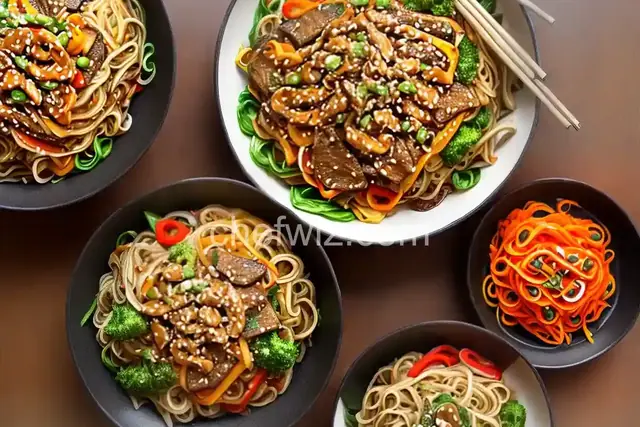
Imagine a plate full of chewy, translucent sweet potato glass noodles, tossed with an array of colorful vegetables like carrots, spinach, mushrooms, and bell peppers, all sautéed to perfection in a savory soy-based sauce. The combination of textures and flavors in Japchae creates a harmonious melody that will leave your taste buds dancing with joy.
Creating a flawless Japchae requires a few key steps. First, you need to cook the sweet potato glass noodles until they are tender but still retain their chewiness. Then, it's time to stir-fry the vegetables, ensuring they are cooked just enough to maintain their crunchiness and vibrant colors.
Next comes the sauce, the heart and soul of Japchae. A delicate balance of soy sauce, sesame oil, garlic, and a touch of sweetness from sugar or honey elevates the flavors of the dish to new heights. Toss everything together in a hot pan, allowing the noodles to absorb the flavors of the sauce, and you're ready to indulge in a heavenly bowl of Japchae.
One of the greatest things about Japchae is its versatility. It can take on various forms depending on your preferences and dietary restrictions. If you're a meat lover, feel free to add thinly sliced beef or chicken to the mix. For seafood enthusiasts, shrimp or squid can be delightful additions. And of course, for vegetarians, the vegetables alone create a satisfying and wholesome meal.
Moreover, Japchae can be enjoyed as a main dish, a side dish, or even as a party appetizer. Its colorful presentation makes it an eye-catching addition to any table, and its complex flavors will keep your guests coming back for more.
Yes, Japchae is gluten-free as long as you use gluten-free soy sauce or tamari. This makes it a fantastic option for individuals with gluten sensitivities or celiac disease.
Absolutely! Japchae can be prepared in advance and refrigerated. Simply reheat it in a pan or microwave before serving. However, keep in mind that the noodles may become slightly softer when reheated.
While sweet potato noodles are traditional for Japchae, you can certainly experiment with other types of noodles like rice noodles or even spaghetti. Just remember that the texture and cooking time may be different.
Yes, there are regional variations of Japchae in Korea. For example, in the southern part of the country, they make a version called "Janchi Guksu," which features wheat noodles in a savory broth. Each variation has its own unique twist but remains true to the essence of Japchae.
It is not recommended to freeze Japchae as the texture of the noodles may become mushy upon thawing.
Absolutely! Feel free to get creative and add your favorite vegetables to Japchae. Some popular additions include zucchini, onions, and bean sprouts.
No, Japchae is not traditionally a spicy dish. However, if you enjoy a bit of heat, you can add some gochujang (Korean chili paste) or red pepper flakes to the sauce.
While soy sauce is a key ingredient in Japchae, you can substitute it with tamari or coconut aminos if you have dietary restrictions or allergies. Just keep in mind that the flavor profile may be slightly different.
In conclusion, Japchae is a delightful dish that combines the best of taste and health. Its versatility, colorful presentation, and complex flavors make it a perfect addition to your culinary repertoire. So why not embark on a culinary adventure and treat yourself to a plate of Vegetarian Korean Noodles? Your taste buds will thank you!
AprilCook, recipe developer and the heart of Chefwiz. More about April