Vegetable Stock
Rate this recipeBe the first to rate
 By AprilPublished
 Have you ever wondered how some dishes have that extra depth of flavor that makes them taste so incredible?
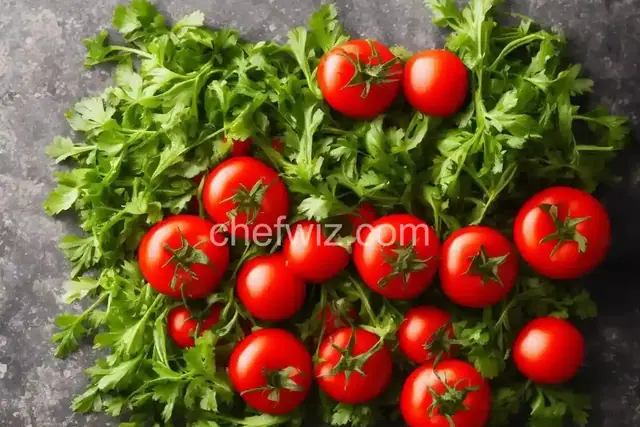 By AprilPublished
 Have you ever wondered how some dishes have that extra depth of flavor that makes them taste so incredible?
In a large pot, combine the onions, carrots, celery, leek tops, garlic, parsley, thyme, bay leaves, salt, pepper, and water.
Bring the mixture to a boil over high heat. If your pot cannot accommodate 12 cups of water, you can use 10 cups instead.
Once boiling, reduce the heat and cover the pot.
Allow the mixture to simmer gently for 1 hour.
After simmering, strain the liquid to separate and discard the vegetables.
Taste the strained liquid and season according to your preference.
Use the seasoned liquid in your preferred soup recipes.
Have you ever wondered how some dishes have that extra depth of flavor that makes them taste so incredible? Well, the secret might just lie in the humble vegetable stock. Considered the backbone of many cuisines, vegetable stock adds a rich and savory taste to soups, stews, and sauces. In this article, we will explore the wonders of vegetable stock, its benefits, and how to make your own at home.
Think of vegetable stock as the flavor enhancer in your dishes. It's like the supporting actor that makes the main ingredients shine. Just as a good foundation is crucial for a sturdy house, vegetable stock provides a solid base for your culinary creations. It adds depth, complexity, and a savory umami taste that elevates the overall flavor profile of your dishes.
Imagine making a soup with plain water instead of vegetable stock. It would lack that comforting and satisfying taste we all love. Vegetable stock adds a layer of complexity that takes your dish from ordinary to extraordinary. It brings out the flavors of the vegetables, herbs, and spices used, creating a harmonious blend of tastes.
While store-bought vegetable stock is readily available, making your own at home has several advantages. Firstly, homemade stock allows you to control the ingredients and flavors. You can customize it to suit your preferences and dietary restrictions. Secondly, it is a great way to reduce food waste. Instead of throwing away vegetable scraps, you can utilize them to make a flavorful stock.
Homemade vegetable stock is also free from additives, preservatives, and excessive sodium. It's a healthier alternative to store-bought options. Plus, making your own stock is cost-effective. You can save money by using leftover vegetables and herbs, turning them into a versatile ingredient that can be used in various dishes.
Making vegetable stock at home is a straightforward process. Start by collecting vegetable scraps such as carrot peels, onion skins, celery leaves, and mushroom stems. You can also add whole vegetables like carrots, onions, celery, and garlic for added flavor. Place the vegetable scraps and vegetables in a large pot, cover them with water, and bring to a boil.
Reduce the heat and let the stock simmer for at least one hour. This slow cooking process allows the flavors to meld together and infuse the liquid. Once done, strain the stock to remove the solids, and you're left with a beautiful, flavorful liquid that can be used in countless recipes.
Next time you're cooking a soup, stew, or sauce, consider adding vegetable stock to take your dish to new heights. Homemade vegetable stock is easy to make, customizable, and enhances the flavors of your recipes. It's a secret ingredient that can transform ordinary meals into extraordinary culinary experiences. So, gather your vegetable scraps, simmer them into a flavorful elixir, and unlock the magic of vegetable stock in your kitchen.
Absolutely! Freezing vegetable stock is a convenient way to preserve it for future use. Pour the cooled stock into ice cube trays or freezer-safe containers, and you'll have individual portions ready to go whenever a recipe calls for it.
Properly stored in the refrigerator, vegetable stock can last up to 5 days. If you freeze it, it can stay good for up to 6 months.
Definitely! Vegetable stock adds a depth of flavor to any dish, even non-vegetarian ones. It's a versatile ingredient that can enhance the taste of sauces, gravies, and braises.
While the terms "stock" and "broth" are often used interchangeably, there is a slight difference. Stock is made by simmering bones, vegetables, and aromatics, while broth is typically made by simmering meat and vegetables. However, for vegetarian options, the terms are often used interchangeably.
You can use a variety of vegetables to make stock, but some of the best options include onions, carrots, celery, leeks, garlic, and mushrooms. These vegetables provide a good base of flavors.
Absolutely! Vegetable stock can be used in place of water to cook grains like rice or quinoa, adding extra flavor to your dishes.
Yes, vegetable stock is an excellent base for soups. It provides a flavorful foundation that can be built upon with additional ingredients and seasonings.
Yes, making vegetable stock in a slow cooker is a convenient option. Simply add the vegetable scraps and water to the slow cooker, set it on low, and let it simmer for several hours. The longer cooking time allows for a more intense flavor extraction.
AprilCook, recipe developer and the heart of Chefwiz. More about April