Vegetable Chow Mein
Rate this recipeBe the first to rate
 By AprilPublished
 Are you craving a delicious and satisfying meal that is packed with nutrients?
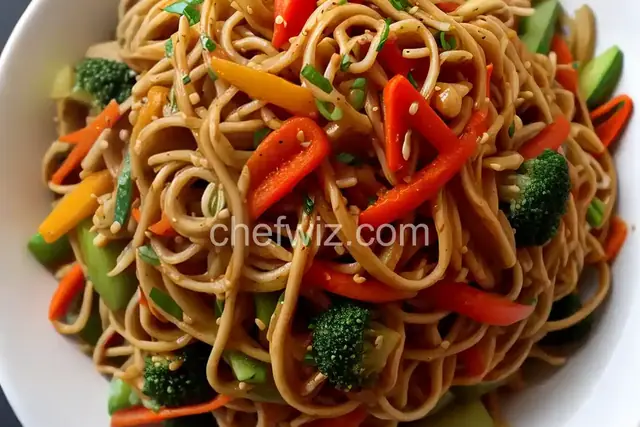 By AprilPublished
 Are you craving a delicious and satisfying meal that is packed with nutrients?
Fill a large pot with water and add salt. Place the pot over high heat and bring the water to a boil.
Add the beans and carrots to the boiling water and cook for 1 minute.
Drain the beans and carrots and transfer them to a bowl filled with iced water. Let them cool for about 1 minute.
Drain the beans and carrots from the iced water and set them aside.
Bring the water in the pot back to a boil.
Add the noodles to the boiling water and cook them for about 5 to 7 minutes, stirring occasionally, until they are tender.
Drain the cooked noodles and rinse them with cold water. Pat them dry and set them aside.
In a large nonstick skillet, heat the oil over high heat.
Add the cooked noodles, ginger, and garlic to the skillet. Cook for 2 minutes until the noodles are lightly browned.
Add the mushrooms, beans, carrots, and water chestnuts to the skillet. Cook for 3 minutes.
Add the broth, hoisin sauce, soy sauce, and honey to the skillet. Bring the mixture to a boil and stir until it slightly reduces and thickens, which takes about 2 minutes.
Season the chow mein with salt and pepper according to your taste.
Transfer the chow mein to a large bowl.
Garnish the chow mein with green
Are you craving a delicious and satisfying meal that is packed with nutrients? Look no further than vegetable chow mein! This popular Chinese dish offers a delightful blend of flavors and textures that will leave you wanting more. In this article, we will explore the beauty of vegetable chow mein and why it should be a part of your culinary repertoire.
Vegetable chow mein is a versatile dish that allows for endless variations. Whether you're a fan of vibrant, crunchy vegetables or prefer a more savory and rich flavor profile, there's a vegetable chow mein recipe that will suit your taste buds perfectly. The combination of stir-fried noodles, fresh vegetables, and a savory sauce creates a symphony of flavors that is hard to resist.
What sets vegetable chow mein apart from other dishes is its ability to achieve the perfect balance of flavors. The noodles provide a neutral base that absorbs the flavors of the sauce and vegetables, while the stir-fried vegetables add a burst of freshness and crunch. The sauce, typically made from a combination of soy sauce, oyster sauce, and other seasonings, ties everything together with its umami-rich taste.
Not only is vegetable chow mein a delight for your taste buds, but it is also a nutritious and filling meal. The variety of vegetables used in this dish provides a wide range of vitamins, minerals, and antioxidants. Additionally, the combination of noodles and vegetables offers a satisfying balance of carbohydrates and fiber, making it a great option for those looking for a wholesome and balanced meal.
While you can easily find vegetable chow mein at your favorite Chinese restaurant, there's something special about making it at home. Not only do you have control over the ingredients and flavors, but you can also customize it to suit your preferences. Here are a few tips to help you create a delicious vegetable chow mein:
The type of noodles you use can greatly impact the texture and taste of your vegetable chow mein. Opt for thin, long noodles like chow mein noodles or egg noodles for an authentic experience. If you prefer a healthier option, you can also use whole wheat or rice noodles.
Before you start cooking, make sure to prep all your ingredients. Chop your vegetables into thin, uniform slices to ensure even cooking. You can use a variety of vegetables such as bell peppers, carrots, cabbage, and mushrooms. Don't forget to mince some garlic and ginger for added flavor!
To achieve the perfect texture and flavor, mastering the stir-fry technique is key. Heat your wok or skillet until it's smoking hot, then add a small amount of oil. Add your vegetables and stir-fry them quickly over high heat, keeping them crisp and vibrant. Finally, add your cooked noodles and sauce, tossing everything together until well combined.
Vegetable chow mein is a delightful dish that offers a perfect balance of flavors and textures. With its versatility and the ability to customize ingredients, it's no wonder that it has become a favorite for many. Whether you're a vegetarian, a health-conscious individual, or simply someone who appreciates a delicious meal, vegetable chow mein is a must-try. So, gather your ingredients, fire up the stove, and embark on a culinary adventure!
While noodles are a key component of vegetable chow mein, you can substitute them with spiralized vegetables like zucchini or use cauliflower rice for a low-carb option.
Absolutely! You can add protein such as tofu, chicken, shrimp, or beef to make your vegetable chow mein more filling and satisfying.
The cooking time for vegetable chow mein is relatively short. With all the ingredients prepped and ready, you can have a delicious meal on the table in under 30 minutes.
Yes, you can make vegetable chow mein gluten-free by using gluten-free noodles and ensuring that the sauces and condiments you use are also gluten-free.
While it is best to enjoy vegetable chow mein fresh, you can freeze leftovers in an airtight container for up to 2 months. Just make sure to reheat it thoroughly before serving.
Absolutely! Vegetable chow mein is quite versatile, and you can experiment with different sauces like hoisin sauce, teriyaki sauce, or even peanut sauce to create unique flavor profiles.
Yes, you can add more vegetables to your vegetable chow mein to make it even more nutritious. Consider adding broccoli, snow peas, bean sprouts, or baby corn for an extra crunch.
Absolutely! If you enjoy a bit of heat, you can add chili flakes or Sriracha sauce to your vegetable chow mein to give it a spicy kick.
AprilCook, recipe developer and the heart of Chefwiz. More about April