Vegan Pavlovas
Rate this recipeBe the first to rate
 By AprilPublished
 Are you a vegan who loves dessert? Do you long for a light and airy meringue dessert that doesn't contain any animal products?
 By AprilPublished
 Are you a vegan who loves dessert? Do you long for a light and airy meringue dessert that doesn't contain any animal products?
Preheat the oven to 250 degrees F.
Line a rimmed baking sheet with parchment.
Strain the chickpeas directly into the bowl of a stand mixer fitted with the whisk attachment. Make sure to reserve the chickpeas for another use.
Add the cornstarch and cream of tartar to the liquid in the bowl.
Beat the liquid on medium-high speed until it becomes very foamy.
While still beating, gradually add the superfine sugar, one tablespoon at a time.
Continue to beat until the mixture forms stiff and glossy peaks, which should take around 4 to 6 minutes.
Once the meringue is stiff, mix in the cocoa powder and vanilla until smooth and combined.
Spoon the meringue into four equal mounds on the prepared baking sheet.
Use a spoon or small offset spatula to smooth each mound into a 4-inch wide disk. Make a small indent in the center of each disk to hold the toppings.
Make sure to leave at least 2 inches of space between each disk to allow for spreading during baking.
Bake in the preheated oven until set and no longer glossy, which should take about 2 hours.
Turn the oven off and let the pavlovas sit in the closed oven until they have dried out inside, which should take approximately 1 hour more. (The pavlovas can be
Are you a vegan who loves dessert? Do you long for a light and airy meringue dessert that doesn't contain any animal products? Look no further than vegan pavlovas! These delightful treats are a vegan twist on the classic pavlova, and they are just as delicious and satisfying. In this article, we will explore the world of vegan pavlovas and discover how you can make them at home.
Before we dive into the vegan version, let's first understand what a traditional pavlova is. The pavlova is a meringue-based dessert that originated in Australia and New Zealand. It is named after the Russian ballet dancer Anna Pavlova and is typically made with egg whites, sugar, and cornstarch. The result is a crispy outer shell with a soft and marshmallow-like center.
Now, let's talk about vegan pavlovas. Instead of using egg whites, vegan pavlovas are made using aquafaba, which is the liquid leftover from cooked chickpeas or other legumes. Aquafaba acts as a perfect substitute for egg whites, creating a similar texture and structure in the meringue. It's a game-changer for vegans who want to enjoy meringue-based desserts!
Making vegan pavlovas is easier than you might think. Start by whisking the aquafaba until it becomes frothy and forms soft peaks. Then gradually add sugar and continue whisking until the mixture becomes glossy and forms stiff peaks. Finally, gently fold in some cornstarch and vinegar to stabilize the meringue. Spoon the mixture onto a lined baking sheet and bake at a low temperature until the pavlovas are crisp on the outside and chewy on the inside.
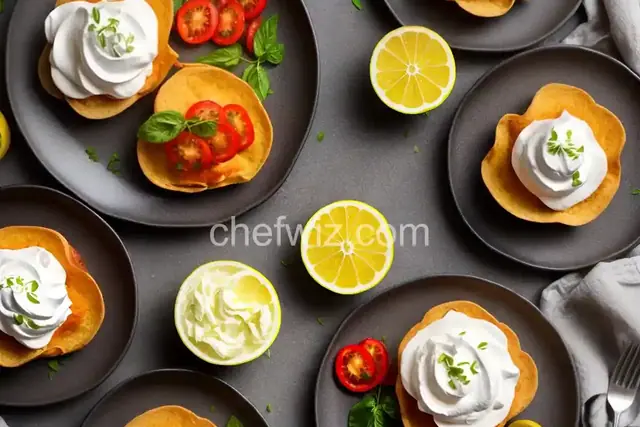
Once your vegan pavlovas are ready, it's time to get creative with toppings! You can top them with a variety of fruits like berries, kiwi, or passion fruit. Drizzle some vegan chocolate sauce over them for an extra touch of decadence. You can also add a dollop of vegan whipped cream or coconut cream for added creaminess. The possibilities are endless, so feel free to experiment and find your favorite combination!
Creating the perfect vegan pavlovas can take a bit of practice, but with these tips, you'll be on your way to meringue heaven:
Vegan pavlovas are a delightful dessert option for vegans and non-vegans alike. With aquafaba as a substitute for egg whites, you can enjoy the light and airy goodness of a pavlova without any animal products. Get creative with toppings and variations to make each pavlova uniquely yours. So why not give vegan pavlovas a try and indulge in a guilt-free dessert experience?
Absolutely! Vegan pavlovas can be just as delicious and satisfying as traditional pavlovas. The aquafaba creates a similar texture and taste, making it a wonderful vegan alternative.
Aquafaba is the key ingredient in vegan pavlovas as it mimics the properties of egg whites. While there are other alternatives for egg white replacements in baking, aquafaba is the best option for achieving the desired meringue-like texture.
Vegan pavlovas can be stored in an airtight container at room temperature for up to 3 days. However, for the best texture and taste, it is recommended to consume them within 24 hours.
Freezing pavlovas is not recommended as they may lose their crispness and become chewy. It's best to enjoy them fresh for the ultimate pavlova experience.
Yes, canned chickpeas work well for extracting aquafaba. Simply drain the liquid from the can and use it as you would homemade aquafaba.
Absolutely! You can make mini pavlovas by spooning smaller portions of the meringue mixture onto the baking sheet. Just remember to adjust the baking time accordingly, as mini pavlovas will require less time to bake.
Vegan pavlovas can be made gluten-free by using gluten-free cornstarch. However, it's essential to check the labels of all ingredients to ensure they are gluten-free, as some brands may contain traces of gluten.
While sugar is the most commonly used sweetener for pavlovas, you can experiment with alternative sweeteners like maple syrup or agave nectar. Keep in mind that this may alter the texture and taste of the pavlovas.
AprilCook, recipe developer and the heart of Chefwiz. More about April