Vegan Chow Mein
Rate this recipeBe the first to rate
 By AprilPublished
 Are you looking for a flavorful and satisfying meal that is both vegan and packed with nutrients?
 By AprilPublished
 Are you looking for a flavorful and satisfying meal that is both vegan and packed with nutrients?
In a cup, mix together 1/4 cup of vegetable stock, liquid amino acids, sugar, and 1/4 teaspoon of salt.
In a separate cup, whisk cornstarch and 1 tablespoon of vegetable stock until smooth.
Heat peanut oil in a wok or large skillet over high heat. Add lima beans and 1/4 teaspoon of salt. Cook and stir for 2 to 3 minutes until beans are partially warmed.
Add onions and celery to the wok or skillet. Lower the heat to medium and cook, stirring frequently, until vegetables are heated through and coated in oil (about 2 to 3 minutes).
Pour the vegetable stock-liquid amino mixture over the bean mixture. Increase the heat to high and cover the wok. Cook for 4 minutes over medium heat.
Stir the cornstarch mixture into the bean mixture and continue cooking, stirring constantly, until the sauce thickens (approximately 1 minute).
Serve the dish with brown rice.
Optionally, you can use tofu instead of beans. The preference is for beans over tofu.
If desired, chickpeas can be substituted for lima beans. Canola oil can be used instead of peanut oil, and soy sauce can be used instead of liquid aminos.
Are you looking for a flavorful and satisfying meal that is both vegan and packed with nutrients? Look no further than vegan chow mein! This plant-based twist on a classic Asian dish offers a burst of flavors that will leave you wanting more. Let's dive into the world of vegan chow mein and discover why it's a must-try for all food enthusiasts.
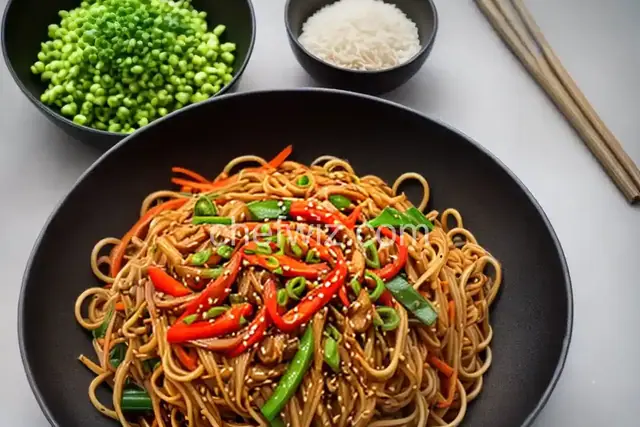
Vegan chow mein is a delightful dish that replaces traditional meat-based ingredients with plant-based alternatives. Instead of using animal products like chicken or beef, it incorporates a variety of vegetables, tofu, or tempeh. The dish is typically made with stir-fried noodles, an assortment of colorful vegetables, and a flavorful sauce.
Whether you follow a vegan lifestyle or simply want to incorporate more plant-based meals into your diet, vegan chow mein offers numerous benefits. Not only is it a cruelty-free option, but it also provides a rich source of vitamins, minerals, and fiber. By using vibrant vegetables, you can create a visually appealing and nutritionally dense meal that will leave you feeling satisfied.
By opting for vegan chow mein, you can enjoy a wide range of health benefits. The abundance of vegetables in this dish provides an excellent source of essential nutrients, such as vitamins A, C, and K. These vitamins help boost your immune system, promote healthy skin, and support overall well-being.
Furthermore, the high fiber content in vegan chow mein aids in digestion and can help prevent various digestive disorders. Fiber also helps you feel full for longer, reducing the likelihood of overeating and aiding in weight management.
Additionally, the use of plant-based protein sources like tofu or tempeh in vegan chow mein offers an alternative to animal-based proteins. This is particularly beneficial for individuals looking to reduce their cholesterol intake and improve heart health.
Making vegan chow mein is a breeze and allows for customization based on your personal taste preferences. Start by stir-frying your favorite vegetables, such as bell peppers, carrots, and broccoli, in a hot wok or skillet. Add in your choice of protein, like tofu or tempeh, and cook until lightly browned.
Next, prepare the noodles according to the package instructions and set them aside. In a separate bowl, whisk together a flavorful sauce made from soy sauce, garlic, ginger, and a touch of sweetness like agave syrup or maple syrup.
Add the cooked noodles to the vegetable and protein mixture, then pour the sauce over everything. Stir-fry for a few more minutes until the sauce coats the noodles and vegetables evenly. Garnish with sesame seeds, chopped scallions, or cilantro for an added touch of freshness and flavor.
Vegan chow mein lends itself to endless variations, allowing you to get creative in the kitchen. Consider adding different vegetables like mushrooms, snow peas, or bok choy for added texture and flavor. You can also experiment with different sauces, such as a spicy peanut sauce or a tangy sesame sauce.
If you prefer a gluten-free option, replace traditional wheat-based noodles with rice noodles or even zucchini noodles. The possibilities are endless when it comes to customizing vegan chow mein to suit your taste buds.
Vegan chow mein is a delicious and nutritious twist on a classic dish. By choosing plant-based alternatives, you can enjoy a flavorful meal that is both cruelty-free and packed with essential nutrients. So why not give vegan chow mein a try and embark on a culinary adventure that will tantalize your taste buds and leave you feeling satisfied?
Yes, you can easily make vegan chow mein gluten-free by using rice noodles or zucchini noodles instead of wheat-based noodles.
Absolutely! You can replace tofu with tempeh, seitan, or even chickpeas to add a different flavor and texture to your vegan chow mein.
Vegan chow mein is a quick and easy dish that can be prepared in under 30 minutes, making it a perfect option for busy weeknights.
Yes, you can store leftovers of vegan chow mein in an airtight container in the refrigerator for up to 3 days. However, keep in mind that the noodles may become slightly softer upon reheating.
Vegan chow mein can be a great addition to a weight loss diet due to its high fiber content and nutrient-dense ingredients. Just be mindful of portion sizes and the amount of oil used in the cooking process.
Yes, you can add heat to your vegan chow mein by incorporating spicy sauces like sriracha or chili garlic sauce. Adjust the amount according to your preference for a flavorful kick.
While it is possible to freeze vegan chow mein, it is best consumed fresh to maintain the texture and flavor of the noodles and vegetables.
Yes, you can make vegan chow mein without oil by using a non-stick pan or cooking spray and opting for a water-based stir-fry method. This reduces the overall calorie content of the dish.
Absolutely! Feel free to experiment with spices like cumin, paprika, or Chinese five-spice powder to add an extra layer of flavor to your vegan chow mein.
AprilCook, recipe developer and the heart of Chefwiz. More about April