Veal Shank Paprikash
Rate this recipeBe the first to rate
 By AprilPublished
 Are you a fan of hearty and flavorful dishes? Do you enjoy exploring different cuisines and trying new recipes?
 By AprilPublished
 Are you a fan of hearty and flavorful dishes? Do you enjoy exploring different cuisines and trying new recipes?
Preheat the oven to 350 degrees F.
Heat 3 tablespoons of vegetable oil in a large skillet over medium-high heat.
Add the onions, bell peppers, and 1 teaspoon of salt to the skillet. Cook and stir until soft, approximately 8 to 10 minutes.
Add the tomatoes to the skillet and cook until most of the liquid evaporates, about 5 minutes.
Stir in the paprika, then add the wine. Boil until the wine is reduced by half, approximately 3 minutes.
Add the chicken broth to the skillet and transfer the mixture to a large baking dish.
Pat the veal dry and sprinkle with 2 teaspoons of salt and 1 teaspoon of pepper.
Wipe out the skillet and add 1 tablespoon of vegetable oil. Heat over medium-high heat.
Cook the veal in 2 batches until browned, approximately 3 to 4 minutes per side. Add the remaining 1 tablespoon of vegetable oil between batches.
Transfer the browned veal to the baking dish. Cover with foil and bake until tender, approximately 2 to 2 1/2 hours.
Meanwhile, in a separate skillet, heat the sugar and 1 1/2 tablespoons of olive oil over medium-high heat until the sugar melts.
Add the cipollini onions to the skillet and cook, tossing, until browned, about
Are you a fan of hearty and flavorful dishes? Do you enjoy exploring different cuisines and trying new recipes? If so, you're in for a treat! In this article, we'll delve into the world of Hungarian cuisine and discover the delights of Veal Shank Paprikash. Get ready to tantalize your taste buds with this delicious and comforting dish.
Hungarian cuisine is a true reflection of its rich history and cultural diversity. Influenced by Turkish, Austrian, and French culinary traditions, Hungarian dishes are a delightful blend of flavors and techniques. One of the most iconic dishes that represent the heart and soul of Hungarian cooking is Paprikash.
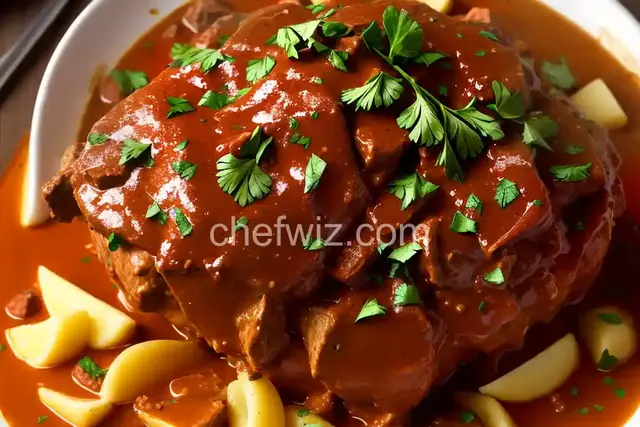
Paprikash is a traditional Hungarian stew made with meat, onions, and, of course, paprika. The vibrant red color and distinct flavor of paprika give this dish its unique character. While the most common version of Paprikash is made with chicken, Veal Shank Paprikash offers a delightful twist.
Veal shank, also known as osso buco, is a cut of meat that comes from the lower part of a calf's leg. It is known for its rich flavor and tender texture, making it the perfect choice for this dish. When cooked low and slow, veal shank becomes incredibly tender, almost falling off the bone, and absorbs all the flavors of the paprika-infused sauce.
Now that we understand the essence of Veal Shank Paprikash, let's dive into the process of creating this mouthwatering dish. The recipe starts with browning the veal shanks in a large pot, followed by sautéing onions, garlic, and bell peppers in the same pot. Once the vegetables are soft and fragrant, paprika is added, giving the dish its characteristic color and flavor.
Next, the veal shanks are returned to the pot, along with some stock and a splash of white wine. The pot is then covered and placed in the oven, where the magic happens. As the dish cooks low and slow, the flavors meld together, and the meat becomes incredibly tender.
After a few hours, the Veal Shank Paprikash is ready to be enjoyed. The tender veal shanks are served with a generous ladle of the flavorful sauce, accompanied by traditional Hungarian sides such as dumplings or noodles. The combination of tender meat, aromatic sauce, and hearty sides creates a symphony of flavors that will leave you craving more.
Veal Shank Paprikash is a true culinary delight that showcases the rich flavors and traditions of Hungarian cuisine. With its tender meat, vibrant sauce, and comforting sides, it is a dish that will transport you to the heart of Hungary with every bite. So why wait? Grab your apron, gather your ingredients, and embark on a culinary adventure that will leave you craving more.
Paprikash originated in Hungary and has become a staple of Hungarian cuisine. It is a dish that has been passed down through generations, each adding their own unique touch to the recipe.
While veal shank is the star of Veal Shank Paprikash, you can certainly use other meats such as chicken or beef. Each meat will bring its own distinct flavor to the dish.
Paprikash gets its flavor and vibrant color from paprika, but it is not necessarily spicy. The heat level can be adjusted according to personal preference by using mild or hot paprika.
Veal Shank Paprikash is traditionally served with dumplings or noodles, allowing you to soak up the delicious sauce. You can also pair it with a side of pickles or a fresh salad to balance the richness of the dish.
Absolutely! In fact, the flavors of Veal Shank Paprikash deepen and develop even further when left to rest overnight. Simply reheat it gently before serving for a stress-free and delicious meal.
Yes, Veal Shank Paprikash freezes well. Allow it to cool completely before transferring it to an airtight container or freezer bags. It can be stored in the freezer for up to three months.
Absolutely! While the traditional recipe calls for meat, you can create a vegetarian version by substituting the veal shank with hearty vegetables such as mushrooms, eggplant, or tofu. The flavors of the paprika-infused sauce will still shine through.
Yes, Veal Shank Paprikash can be made in a slow cooker for added convenience. Simply follow the same steps of browning the meat and sautéing the vegetables before transferring everything to the slow cooker. Cook on low for 6-8 hours or on high for 3-4 hours.
AprilCook, recipe developer and the heart of Chefwiz. More about April