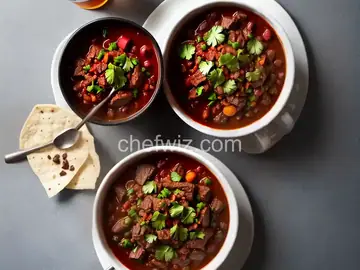
Veal Paprikash
Rate this recipeBe the first to rate
 By AprilPublished
 Have you ever wanted to take your taste buds on a culinary journey to Hungary?
 By AprilPublished
 Have you ever wanted to take your taste buds on a culinary journey to Hungary?
In a large skillet, melt lard over medium heat.
Add onions to the skillet, cover, and cook for about 10 minutes until they are soft, stirring occasionally.
Increase the heat to medium-high and sauté the shallot with the onions until the onions are golden, which should take about 5 minutes.
Use a slotted spoon to transfer the onions and shallot to a small bowl.
Sprinkle the veal with salt and pepper.
Working in batches, add the veal scallops to the drippings in the skillet and sauté them until they are browned, approximately 1 minute per side.
After each batch, transfer the sautéed veal to a plate.
Return the onion mixture to the skillet.
Add the tomatoes with their juice, sweet paprika, hot paprika, and marjoram to the skillet.
Stir constantly and let it simmer for 5 minutes.
Return the veal and any accumulated juices to the sauce in the skillet.
Turn the veal to coat it in the sauce and let it simmer for an additional minute.
Use a slotted spoon to transfer the veal to a platter.
Mix sour cream into the sauce and heat it through without boiling.
Season the sauce with salt and pepper to taste.
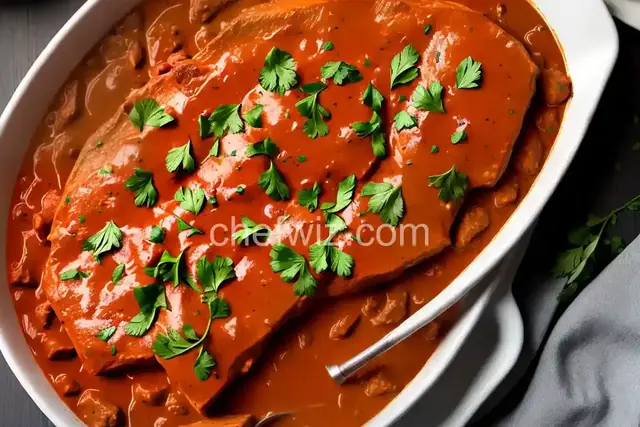
Pour the sauce over the veal and serve.
Have you ever wanted to take your taste buds on a culinary journey to Hungary? Look no further than Veal Paprikash, a traditional Hungarian dish that is as delicious as it is comforting. This hearty stew, made with tender veal and a rich paprika-infused sauce, is sure to satisfy your cravings and leave you wanting more.
At the heart of Veal Paprikash lies the secret ingredient that gives this dish its distinct flavor - paprika. Paprika, made from ground, dried sweet peppers, adds a vibrant red color and a subtle smoky taste to the stew. It is the key to unlocking the true essence of Hungarian cuisine.
Just like a painter uses different brushes to create a masterpiece, Hungarian cooks use various types of paprika to add depth and complexity to their dishes. From sweet to spicy, the range of flavors and intensities allows each cook to put their unique spin on Veal Paprikash.
As with any great dish, the secret to Veal Paprikash lies in the cooking process. The veal is slowly simmered in a combination of onions, garlic, and tomatoes until it becomes tender and succulent. The paprika-infused sauce coats each piece of meat, creating a mouthwatering symphony of flavors.
Imagine the aroma of the stew wafting through your kitchen, inviting you to take a bite. The tender veal melts in your mouth, while the sauce dances on your taste buds, leaving behind a lingering warmth that is both comforting and satisfying.
Veal Paprikash is traditionally served with a side of Hungarian dumplings, known as nokedli. These small, pillowy dumplings soak up the sauce, creating a harmonious combination of flavors and textures. The dumplings are like the perfect complement to a beautiful melody, enhancing the overall dining experience.
For those looking for a lighter option, Veal Paprikash can also be enjoyed with rice or mashed potatoes. The choice is yours, and each pairing brings its unique twist to this classic Hungarian dish.
Veal Paprikash is not just a dish; it is a journey through the flavors and traditions of Hungary. From the vibrant red color of the paprika to the tender veal simmering in the rich sauce, each bite tells a story of love and passion for food. So, gather your ingredients, don your apron, and let the magic of Veal Paprikash transport you to the heart of Hungary.
A1: Absolutely! While traditional Veal Paprikash uses veal, you can substitute it with chicken, pork, or even tofu for a vegetarian version. The key is to choose a protein that can handle the rich flavors of the paprika sauce.
A2: If you prefer a spicier kick, you can use hot or smoked paprika instead of the sweet variety. You can also add a pinch of cayenne pepper or red pepper flakes to amp up the heat.
A3: Absolutely! You can adapt the recipe to be made in a slow cooker. Simply brown the veal and sauté the onions and garlic before transferring everything to the slow cooker. Cook on low for 6-8 hours or on high for 3-4 hours.
A4: Yes, Veal Paprikash freezes well. Allow the stew to cool completely before transferring it to a freezer-safe container. It can be stored in the freezer for up to three months. To reheat, thaw overnight in the refrigerator and warm on the stovetop.
A5: Absolutely! You can create a delicious vegetarian version of this dish by substituting the veal with a combination of mushrooms and bell peppers. The paprika sauce will still impart its incredible flavors, making it a satisfying and hearty meal.
A6: Hungarian paprika is known for its vibrant color and rich flavor, while Spanish paprika offers a smokier taste. Both types of paprika can be used in a variety of dishes, depending on the desired flavor profile.
A7: Yes, Veal Paprikash tastes even better when made in advance. The flavors have time to meld together, resulting in a more intense and delicious stew. Simply reheat on the stovetop before serving.
A8: Hungary is a treasure trove of culinary delights. Some other must-try dishes include goulash, chimney cake, and langos. Each dish offers a unique taste of Hungarian culture and tradition.
AprilCook, recipe developer and the heart of Chefwiz. More about April