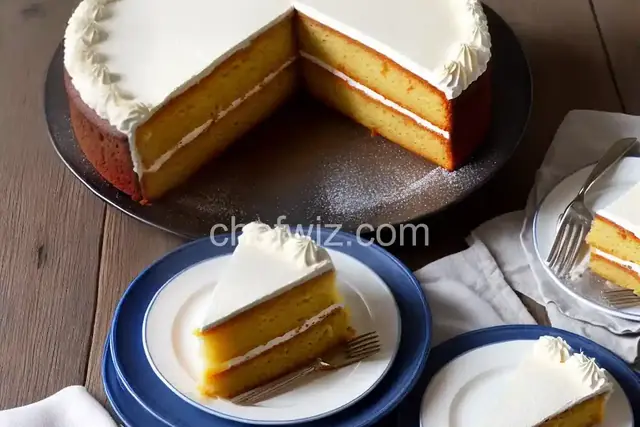
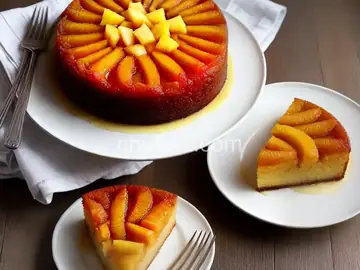
Have you ever wondered how Greeks celebrate the New Year? One delicious tradition that is deeply rooted in Greek culture is the baking of Vaselopita, a special cake that brings good luck and blessings for the year ahead. In this article, we will explore the significance of Vaselopita, its ingredients, and the customs associated with this delightful treat.
The Origins of Vaselopita
Vaselopita is a cake that holds a special place in Greek New Year celebrations. It is named after Saint Basil (Agios Vasilios in Greek), the Archbishop of Caesarea in the 4th century. The story goes that during a time of great need, Saint Basil asked the citizens of Caesarea to contribute their valuables to help the poor. To avoid embarrassment, the people baked their treasures into loaves of bread. Miraculously, when the loaves were distributed, each person received their own valuables back. Since then, Greeks have continued the tradition of baking a special cake with a hidden coin to honor Saint Basil and bring good fortune to the person who finds it.
The Ingredients
Vaselopita is typically made with simple ingredients that can be found in any Greek kitchen. Flour, sugar, butter, eggs, milk, and vanilla extract form the base of the cake. Some variations may also include orange zest or almond extract to add a unique flavor. The most important ingredient, however, is the coin. Traditionally, a clean, wrapped coin is placed in the batter before baking. This coin symbolizes prosperity and good luck for the person who finds it in their slice.
The Baking Process
Now that we know the story behind Vaselopita and its ingredients, let's dive into the baking process. The batter is prepared by combining the dry ingredients in one bowl and the wet ingredients in another. Once mixed together, the batter is poured into a greased cake pan. Before placing the pan in the oven, the wrapped coin is carefully placed in the batter. The cake is then baked until golden brown and a toothpick inserted in the center comes out clean.
The Customs and Traditions
Vaselopita is not just a cake, but a symbol of unity and blessings for the New Year. On New Year's Day, the head of the household cuts the cake and distributes the slices to family members and guests. The first slice is reserved for Jesus, the second for the Virgin Mary, and the third for the house. The remaining slices are distributed in order of age, starting with the eldest. Whoever finds the coin in their slice is said to have good luck for the entire year. To ensure fairness, the person cutting the cake must do so without looking.
Frequently asked questions
- . What is the significance of Vaselopita in Greek culture?
Vaselopita is a traditional Greek New Year's cake that symbolizes good luck and blessings for the year ahead.
- . Why is there a coin in the cake?
The coin represents prosperity and the person who finds it in their slice is believed to have good luck for the entire year.
- . Can any type of coin be used?
It is recommended to use a clean, wrapped coin to ensure food safety. Avoid using coins made of precious metals as they could tarnish during baking.
- . How is the Vaselopita cake cut?
The head of the household cuts the cake and distributes the slices. The first three slices are reserved for Jesus, the Virgin Mary, and the house, while the remaining slices are distributed in order of age.
- . What happens if someone accidentally swallows the coin?
While swallowing the coin is unlikely, it is advised to be cautious when eating Vaselopita. If swallowed, it is recommended to seek medical attention.
- . Are there any variations of Vaselopita?
Yes, there are variations of Vaselopita that include different flavors such as orange zest or almond extract. Some recipes also incorporate nuts or dried fruits.
- . Is Vaselopita only baked on New Year's Day?
Yes, Vaselopita is traditionally baked and enjoyed on New Year's Day as part of the Greek New Year celebrations.
- . Can Vaselopita be stored for later consumption?
Yes, Vaselopita can be stored in an airtight container for a few days. However, it is best enjoyed fresh.
In conclusion, Vaselopita is more than just a cake - it is a cherished Greek tradition that brings families and communities together. Baking this cake not only fills the air with delicious aromas but also fills our hearts with hope and good wishes for the year ahead. So why not try your hand at baking a Vaselopita and experience the joy of this delightful Greek New Year's treat?
 By AprilPublished