Varkenshaas
Rate this recipeBe the first to rate
 By AprilPublished
 Are you a fan of tender, succulent meat that melts in your mouth?
 By AprilPublished
 Are you a fan of tender, succulent meat that melts in your mouth?
Preheat the oven to 400°F.
Use paper towels to dry the pork and season it with salt and pepper.
In a large, heavy kettle, heat oil and 4 tablespoons of butter over moderately high heat until it is hot but not smoking.
Brown the pork on all sides in the kettle.
Reduce the heat to moderate and cook the pork, covered, turning it occasionally, for 10 minutes.
Transfer the pork to a shallow baking dish and roast it in the oven until a meat thermometer registers 155°F for barely pink meat, which should take around 10 to 15 minutes.
While the pork is roasting, add the remaining tablespoon of butter and the shallot to the kettle and cook them over moderate heat until the shallot is softened.
Add the wine, broth, and mustard to the kettle and simmer the mixture while scraping up the brown bits until it is reduced by about half.
Add the cream and basil to the kettle and simmer until the sauce has thickened.
Stir in the parsley and season with salt and pepper to taste.
Cut the pork into 1/2-inch-thick slices.
Pour the sauce over the pork and garnish with chives.
Are you a fan of tender, succulent meat that melts in your mouth? Look no further than varkenshaas, a cut of pork that promises a delightful culinary experience. In this article, we will explore the wonders of varkenshaas, its versatility in various dishes, and why it should be a staple in your kitchen.
Imagine sinking your teeth into a perfectly cooked piece of varkenshaas. The tenderness and juiciness of the meat make every bite a sensory delight. Whether you prefer it grilled, roasted, or pan-seared, varkenshaas never fails to impress.
One of the greatest advantages of varkenshaas is its versatility. It can be the star of the show in a classic dish like Pork Wellington, where it is wrapped in puff pastry and filled with a savory mixture of mushrooms and herbs. Alternatively, it can be sliced into medallions and served with a creamy mushroom sauce for a quick and delicious weeknight meal.
What sets varkenshaas apart from other cuts of pork is its tenderness. This lean cut comes from the tenderloin, which is located along the backbone of the pig. It is well-marbled with fat, which keeps the meat moist and flavorful during cooking. The result is a lean, yet juicy piece of meat that is perfect for any occasion.
When it comes to cooking varkenshaas, there are a few tips and techniques that can help you achieve the best results. Firstly, make sure to season the meat generously with salt and pepper before cooking. This will enhance the flavors and bring out the natural sweetness of the pork.
Next, sear the varkenshaas on high heat to create a delicious crust. This will lock in the juices and add a depth of flavor to the meat. Once seared, you can finish cooking the varkenshaas in the oven or on the stovetop, depending on your preference and the recipe you are following.
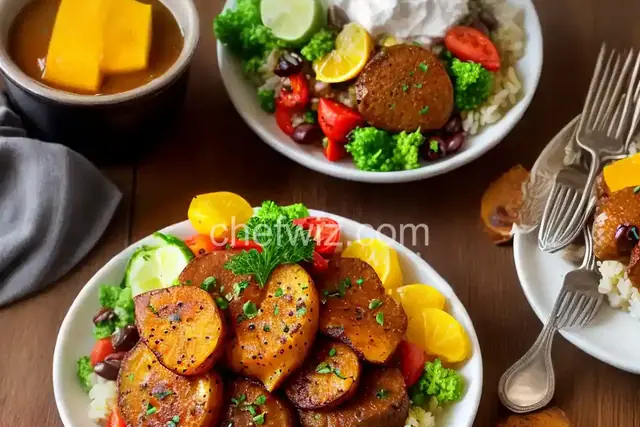
Varkenshaas pairs well with a variety of flavors and ingredients. For a classic combination, serve it with roasted potatoes and a side of seasonal vegetables. The earthiness of the potatoes and the freshness of the vegetables complement the richness of the pork.
If you're feeling adventurous, try pairing varkenshaas with a tangy fruit sauce, such as cranberry or apricot. The sweetness and acidity of the sauce provide a delightful contrast to the savory flavors of the meat.
Varkenshaas is a cut of pork that offers a delightful culinary experience. Its tenderness, versatility, and ability to pair well with various flavors make it a favorite among chefs and home cooks alike. Whether you're hosting a dinner party or simply cooking for yourself, varkenshaas is sure to impress.
There are several ways to cook varkenshaas, including grilling, roasting, and pan-searing. The best method depends on your personal preference and the recipe you are following.
Cooking times can vary depending on the thickness of the varkenshaas and the desired level of doneness. As a general rule, aim for an internal temperature of 145°F (63°C) for medium-rare and 160°F (71°C) for medium.
Yes, marinating varkenshaas can add flavor and help tenderize the meat. Opt for a marinade that complements the natural flavors of the pork, such as a combination of garlic, herbs, and citrus.
Yes, varkenshaas can be frozen for future use. It is best to wrap it tightly in plastic wrap or aluminum foil before placing it in the freezer. When ready to use, thaw it in the refrigerator overnight before cooking.
Popular side dishes to serve with varkenshaas include roasted potatoes, steamed vegetables, creamy mashed potatoes, and a fresh salad.
Varkenshaas can be found at most butcher shops, grocery stores, and online meat suppliers. Look for fresh, high-quality cuts for the best results.
While varkenshaas is not traditionally used in stir-fry dishes, you can certainly experiment with it. Cut the varkenshaas into thin strips and cook it quickly over high heat to maintain its tenderness.
Yes, varkenshaas can be enjoyed when it is slightly pink in the center. As long as it reaches the recommended internal temperature of 145°F (63°C), it is safe to eat.
AprilCook, recipe developer and the heart of Chefwiz. More about April