Vanilla Ice Cream VII
Rate this recipeBe the first to rate
 By AprilPublished
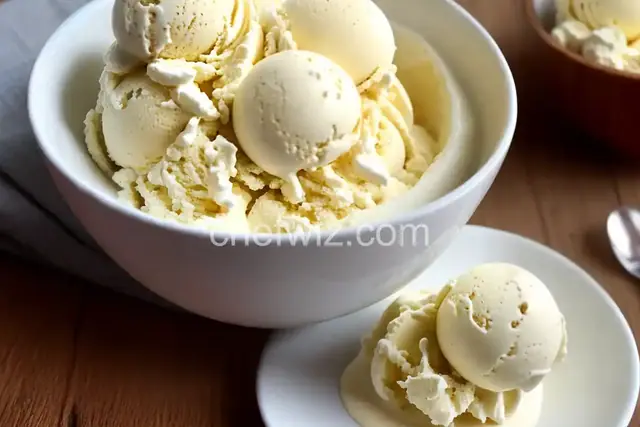
 Who can resist the creamy, smooth texture of a scoop of vanilla ice cream?
 By AprilPublished
 Who can resist the creamy, smooth texture of a scoop of vanilla ice cream?
In a saucepan, heat the cream and milk over medium heat.
Add the vanilla bean and scrapings to the pot, and sprinkle half of the white sugar on top.
Allow the mixture to come to a boil.
In a separate bowl, whisk together the egg yolks, remaining sugar, and vanilla extract.
Take a third of the hot cream mixture and pour it into the egg mixture, while whisking.
Pour the egg mixture back into the remaining hot cream in the saucepan.
Return the saucepan to the heat and cook until the mixture coats the back of a metal spoon, making sure not to let it boil.
Strain the custard and refrigerate until cold.
Pour the chilled custard into an ice cream maker's canister.
Follow the manufacturer's instructions to freeze the custard and make the ice cream.
Who can resist the creamy, smooth texture of a scoop of vanilla ice cream? It's a timeless treat that brings joy to people of all ages. Whether enjoyed on its own, paired with a warm slice of pie, or used as a base for creative sundae concoctions, vanilla ice cream never fails to satisfy our sweet tooth cravings. In this article, we will dive into the world of vanilla ice cream, exploring its origins, variations, and the reasons behind its enduring popularity.
Vanilla ice cream traces its roots back to ancient times. The first documented use of vanilla as a flavoring agent can be found in the Aztec empire, where it was combined with cocoa to create a luxurious drink for royalty. It wasn't until the 17th century, however, that vanilla made its way to Europe and the rest of the world.
Fast forward to the 19th century, and the invention of the ice cream machine revolutionized the way vanilla ice cream was made. This allowed for mass production, making it more accessible to the general public. Since then, vanilla ice cream has become a staple in ice cream parlors and households worldwide.
While some may consider vanilla to be a plain and boring flavor, its simplicity is what makes it so versatile. Vanilla ice cream serves as a blank canvas for a multitude of toppings and mix-ins. From fresh fruits and nuts to decadent fudge and caramel sauces, the possibilities are endless.
Furthermore, vanilla ice cream complements a wide range of desserts. It adds a velvety smoothness to apple pies, creates a harmonious balance when paired with chocolate cake, and provides a refreshing contrast to warm fruit cobblers. Its ability to enhance and elevate other flavors is truly remarkable.
Have you ever wondered why vanilla ice cream is so irresistibly creamy? The secret lies in the structure of its frozen crystals. When ice cream is churned during the freezing process, air is incorporated into the mixture. This creates tiny air bubbles that give the ice cream its light and fluffy texture.
Additionally, the fat content in vanilla ice cream contributes to its creaminess. The higher the fat content, the smoother and richer the ice cream will be. This is why premium vanilla ice creams often have a higher fat percentage, resulting in a luxurious mouthfeel that melts in your mouth.
Not all vanilla ice creams are created equal. The quality of the vanilla bean used plays a significant role in the flavor profile of the ice cream. Vanilla beans are harvested from orchids and undergo a meticulous curing process before they are ready for use.
Madagascar vanilla beans, known for their rich and sweet flavor, are often considered the gold standard in the world of vanilla ice cream. They impart a distinctively smooth and creamy taste that is unmatched by other varieties. However, other regions such as Tahiti and Mexico also produce vanilla beans with their unique flavor characteristics.
Despite the countless exotic and innovative ice cream flavors that have emerged over the years, vanilla ice cream continues to hold a special place in the hearts of ice cream lovers worldwide. Its timeless appeal lies in its simplicity and versatility, ensuring that it will always be a crowd-pleaser.
Whether enjoyed in a waffle cone on a hot summer day or served alongside a warm slice of pie during the holiday season, vanilla ice cream has the power to transport us back to our fondest childhood memories. It is a comforting and familiar treat that never fails to bring a smile to our faces.
Vanilla ice cream may seem simple on the surface, but its timeless appeal and versatility make it a beloved dessert option for people around the world. From its ancient origins to the science behind its creamy texture, vanilla ice cream continues to be a classic indulgence that brings joy to our taste buds. So, the next time you reach for a scoop of vanilla ice cream, savor the familiar flavors and let yourself be whisked away on a nostalgic journey.
Yes, vanilla ice cream is typically gluten-free. However, it is always important to check the label or inquire about any potential cross-contamination in the manufacturing process.
Yes, you can make homemade vanilla ice cream without an ice cream machine. There are various no-churn recipes available that require simple ingredients and a few hours of freezing time.
Traditional vanilla ice cream is made with dairy products, so it is not suitable for vegans. However, there are vegan alternatives available made with plant-based milk such as almond, coconut, or soy.
The main difference between French vanilla and regular vanilla ice cream lies in the addition of egg yolks. French vanilla ice cream is made with a custard base, resulting in a richer and creamier texture compared to regular vanilla ice cream.
Yes, you can use vanilla extract as a substitute for vanilla bean in homemade vanilla ice cream. However, keep in mind that the flavor may not be as intense, and the tiny black specks from the vanilla bean will be missing.
Popular toppings for vanilla ice cream include hot fudge sauce, caramel sauce, fresh berries, crushed cookies, chopped nuts, whipped cream, and maraschino cherries.
Absolutely! Adding mix-ins like chocolate chips, cookie dough, or even crushed candies is a great way to personalize your homemade vanilla ice cream and create unique flavor combinations.
Homemade vanilla ice cream can last in the freezer for up to 2 to 3 months. However, for the best flavor and texture, it is recommended to consume it within the first month.
AprilCook, recipe developer and the heart of Chefwiz. More about April