Ultra-Chewy Scissor-Cut Noodles
Rate this recipeBe the first to rate
 By AprilPublished
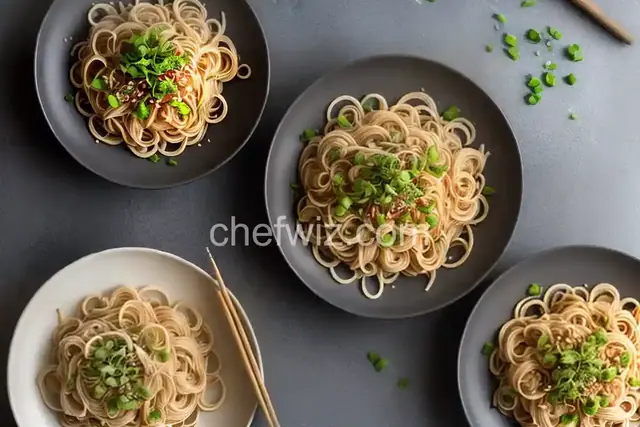
 Have you ever experienced the delightful sensation of sinking your teeth into a plate of ultra-chewy scissor-cut noodles?
 By AprilPublished
 Have you ever experienced the delightful sensation of sinking your teeth into a plate of ultra-chewy scissor-cut noodles?
In a large bowl, combine 2 cups (250 g) of all-purpose flour, 1 tsp of Diamond Crystal salt or ½ tsp of Morton kosher salt, and ½ cup plus 1 Tbsp of water. Mix the ingredients with your hands until a shaggy dough forms.
Knead the dough in the bowl, incorporating any loose bits, until it becomes a smooth ball and no longer sticks to the bowl. This should take about 2 minutes.
If the dough is not coming together, add more water, ½ tsp at a time. If the dough is too sticky, add more flour, 1 tsp at a time.
Cover the bowl with a damp paper towel or plastic wrap and let the dough rest at room temperature for at least 15 minutes.
In a medium pot, bring water to a simmer.
Coat a pair of kitchen shears with vegetable oil and snip off ½ pieces of dough directly into the simmering water.
Once all the dough has been snipped, increase the heat and bring the water to a boil.
Cook the noodles in the boiling water, stirring occasionally to prevent sticking, until most of them have floated to the surface. This should take about 3 minutes.
Drain the noodles and transfer them to a large bowl. Use them right away.
If you want to prepare the dough ahead of time, it can be made
Have you ever experienced the delightful sensation of sinking your teeth into a plate of ultra-chewy scissor-cut noodles? These noodles, also known as dao xiao mian or knife-cut noodles, are a true culinary marvel. With their unique texture and satisfying bite, they have captured the hearts and taste buds of noodle enthusiasts around the world.
Creating these noodles is not just a simple act of cutting dough. It is an art form that requires skill, precision, and a deep understanding of the dough's elasticity. The dough is carefully stretched and pulled into long, thin strands before being swiftly sliced with a pair of sharp scissors. This technique results in irregularly shaped noodles with rough edges that are perfect for holding onto sauces and seasonings.
What sets scissor-cut noodles apart from other noodle varieties is their incredible chewiness. When cooked to perfection, these noodles have a delightful springiness that makes each bite a memorable experience. The secret to achieving this level of chewiness lies in the dough itself. A combination of high-gluten flour, water, and a touch of salt creates a dough with just the right amount of elasticity.
To ensure the noodles are cooked to the ideal consistency, they are briefly boiled in hot water. This cooking technique preserves their chewiness while softening them slightly. Once cooked, they are ready to be tossed in a delectable sauce or added to a hearty soup.
Scissor-cut noodles are incredibly versatile and can be enjoyed in various ways. One popular option is to toss them in a rich and flavorful sauce, such as a sesame-soy sauce or a spicy Sichuan-style sauce. The rough edges of the noodles help to capture the sauce, resulting in a burst of flavors with each bite.
Another delicious way to enjoy these noodles is in a comforting bowl of soup. Whether it's a hearty beef broth or a fragrant chicken soup, the chewiness of the noodles adds a satisfying dimension to the overall dish. Add some vegetables, protein, and your favorite seasonings to create a hearty and nourishing meal.
Ultra-chewy scissor-cut noodles are a culinary delight that offers a unique texture and taste experience. Whether you prefer them tossed in a savory sauce or swimming in a comforting bowl of soup, these noodles are sure to satisfy your cravings. With a bit of practice, you can even try making them at home and impress your friends and family with your noodle-cutting skills. So go ahead, indulge in a plate of ultra-chewy scissor-cut noodles and let your taste buds embark on a delightful adventure!
Unfortunately, scissor-cut noodles are not gluten-free. They are traditionally made with high-gluten flour, which gives them their distinct chewiness.
Absolutely! With some practice and patience, you can master the art of making scissor-cut noodles in your own kitchen. There are plenty of online tutorials and recipes available to guide you through the process.
Scissor-cut noodles have a relatively short cooking time. It typically takes around 3-5 minutes to cook them to the desired chewiness. Be sure to keep an eye on them as they can become overcooked and lose their desired texture.
Yes, you can freeze scissor-cut noodles. After cutting the noodles, dust them with some flour to prevent sticking and then freeze them in an airtight container. When you're ready to cook them, simply drop them directly into boiling water without thawing.
Popular toppings for scissor-cut noodles include stir-fried vegetables, thinly sliced meat or tofu, chopped scallions, and toasted sesame seeds. Feel free to get creative and experiment with different combinations!
Whether scissor-cut noodles are spicy or not depends on the sauce or broth they are served with. They can be enjoyed in both spicy and non-spicy variations, making them suitable for a wide range of taste preferences.
Scissor-cut noodles have their origins in Chinese cuisine, particularly in the northern regions of China. However, their popularity has spread far and wide, and they can now be found in various Asian cuisines and even some Western restaurants.
While scissor-cut noodles can be reheated, they are best enjoyed immediately after cooking. Reheating can cause the noodles to lose their chewiness and become mushy. If you have leftovers, it's recommended to store them separately from the sauce or broth and reheat them in hot water before serving.
AprilCook, recipe developer and the heart of Chefwiz. More about April