Ultra-Buttery Irish Scones
Rate this recipeBe the first to rate
 By AprilPublished
 Are you craving a delicious, melt-in-your-mouth pastry that pairs perfectly with a cup of tea or coffee?
 By AprilPublished
 Are you craving a delicious, melt-in-your-mouth pastry that pairs perfectly with a cup of tea or coffee?
Preheat the oven to 375° and line a baking sheet with parchment paper.
In a medium bowl, whisk together the milk, granulated sugar, and kosher salt until the sugar and salt dissolve.
In a large bowl, whisk together the flour and baking powder.
Cut the butter into 1/2 cubes and add it to the flour mixture. Blend the mixture with a pastry cutter or your fingertips until pea-size pieces form, with some larger chunks remaining.
Add the milk mixture to the flour mixture and stir with a fork until large clumps form. Gently knead the dough in the bowl until it just comes together, then transfer it to a lightly floured work surface.
Using a lightly floured rolling pin, roll out the dough into a 14x8 rectangle, with the long side facing you.
In a small microwave-proof bowl, microwave 2 tablespoons of butter until softened but not melted (about 20 seconds). Spread the softened butter evenly over the dough with your fingertips.
Sprinkle the currants evenly on top of the butter and press them to adhere to the dough.
Fold up the bottom third of the dough over the center, then fold down the top third to meet the bottom edge, as if folding a letter.
Fold the dough in half crosswise, then gently flatten it into an 8x4 rectangle using a rolling pin.
11
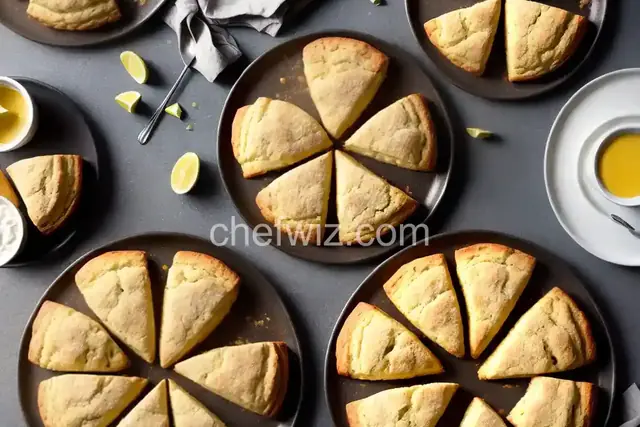
Are you craving a delicious, melt-in-your-mouth pastry that pairs perfectly with a cup of tea or coffee? Look no further than ultra-buttery Irish scones! These delightful treats are not only easy to make but also incredibly indulgent. From their flaky texture to their rich, buttery flavor, these scones are sure to satisfy your taste buds.
Irish scones are a classic delicacy that originated in Ireland. They are known for their unique texture and taste that sets them apart from other pastries. Unlike traditional American scones, which tend to be denser and sweeter, Irish scones are lighter and have a rich buttery flavor. The secret to their amazing taste lies in the high butter content and the specific technique used to make them.
Imagine biting into a scone that is perfectly flaky on the outside, yet soft and tender on the inside. That's the kind of texture you can expect from Irish scones. The combination of cold butter and gentle handling of the dough creates layers that result in a light and airy pastry. With each bite, you'll experience a delightful contrast between the crisp exterior and the moist interior.
Irish scones are not just about the texture; they also offer a burst of flavors. The high butter content gives them a rich, creamy taste that is hard to resist. Whether you enjoy them plain or with a dollop of jam and clotted cream, these scones are a treat for your taste buds. The buttery goodness melts in your mouth, leaving you craving for more.
Making Irish scones is an art that requires a few key steps. First, start by cutting cold butter into the dry ingredients until you achieve a crumbly texture. Then, gently mix in the wet ingredients, being careful not to overmix the dough. Finally, shape the dough into a round disk and cut it into wedges before baking. This method ensures that the scones rise beautifully and have a tender interior.
Here are a few tips to help you achieve the best results with your Irish scones:
Ultra-buttery Irish scones are a delightful treat that will transport your taste buds to a world of pure indulgence. With their flaky texture, rich buttery flavor, and melt-in-your-mouth goodness, these scones are a must-try for any pastry lover. Whether you enjoy them plain or with your favorite spreads, these scones are sure to satisfy your cravings. So why wait? Grab your apron and get ready to bake a batch of these heavenly scones!
No, it's best to use real butter for authentic Irish scones. The high butter content is what gives them their rich flavor and flaky texture.
Yes, you can freeze the scone dough for future use. Simply shape the dough into a disk, wrap it tightly in plastic wrap, and freeze. When you're ready to bake, thaw the dough in the refrigerator overnight and proceed with the recipe as usual.
Absolutely! Feel free to customize your scones by adding raisins, currants, or other fruits. Just gently fold them into the dough before shaping and baking.
While you can substitute some or all of the all-purpose flour with whole wheat flour, keep in mind that it may affect the texture of the scones. Whole wheat flour tends to result in denser scones, so you may need to adjust the measurements and baking time accordingly.
Irish scones are best enjoyed on the day they are baked. However, you can store them in an airtight container at room temperature for up to 2 days. To enjoy them warm again, simply reheat them in the oven for a few minutes before serving.
Yes, you can use a food processor to cut the cold butter into the dry ingredients. Simply pulse the mixture until it resembles coarse crumbs. Then, transfer the mixture to a bowl and proceed with the recipe.
While buttermilk adds a tangy flavor and helps tenderize the scones, you can substitute it with regular milk if needed. However, the texture and taste may be slightly different.
Absolutely! If you prefer bite-sized scones, you can simply adjust the baking time accordingly. Keep an eye on them to ensure they don't overbake.
AprilCook, recipe developer and the heart of Chefwiz. More about April