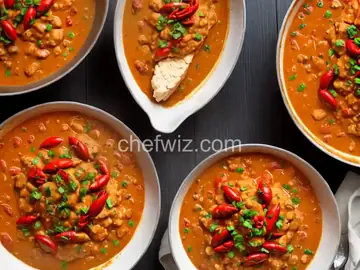
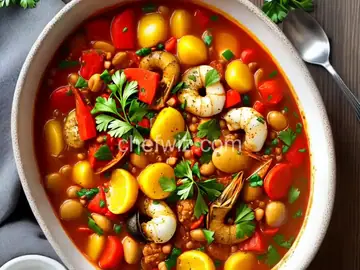
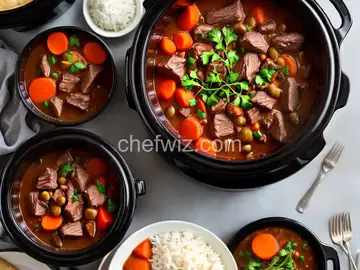
Ultimate Gulf Coast Gumbo
Rate this recipeBe the first to rate
 By AprilPublished
 Are you a fan of hearty, flavorful dishes that transport you to the sunny shores of the Gulf Coast?
 By AprilPublished
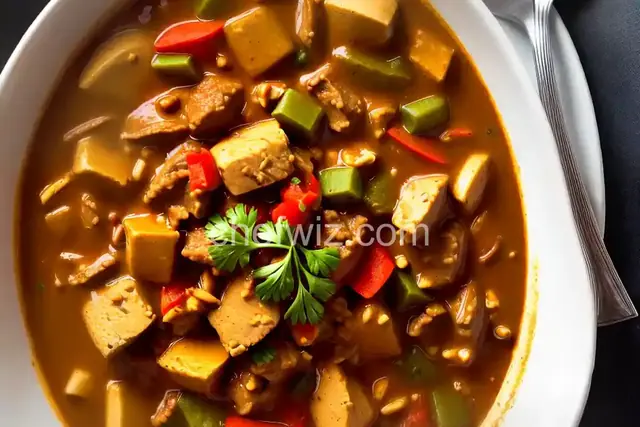
 Are you a fan of hearty, flavorful dishes that transport you to the sunny shores of the Gulf Coast?
Peel and devein the shrimp.
Place the shrimp into a bowl and refrigerate it until needed.
In a large pot, put the shrimp heads and shells.
Pour 2 quarts of water into the pot, cover it, and simmer it over medium-low heat until the liquid is reduced by half.
Strain out and discard the shrimp heads and shells, and keep the shrimp broth aside.
Heat oil in a very large stockpot over medium-high heat.
Add flour and cook it while stirring with a long-handled spoon until the flour becomes dark brown and puffy, and starts to absorb oil (10 to 15 minutes).
Slowly stir in chicken broth and 1 cup of water.
Place the chicken into the pot, and add tomatoes, onions, celery, bell pepper, garlic, seafood seasoning, salt, cayenne pepper, and bay leaves.
Bring the mixture to a boil and cook it until the chicken is no longer pink at the bone and the juices run clear (about 1 1/2 hours).
Use an instant-read thermometer to check if the thickest part of the chicken thigh, near the bone, registers 165 degrees F (74 degrees C).
Remove the chicken from the pot and let it cool down.
Once the chicken is cool enough to handle, remove and discard the bones, and chop the meat into 1-inch
Are you a fan of hearty, flavorful dishes that transport you to the sunny shores of the Gulf Coast? Look no further than the Ultimate Gulf Coast Gumbo! This iconic dish is a true testament to the rich culinary heritage of Louisiana and Mississippi. In this article, we will explore the history of gumbo, its ingredients, and the steps to create this tantalizing dish. So grab your apron and let's dive into the world of Gulf Coast gumbo!
Gumbo is a dish that embodies the diverse cultural influences of the Gulf Coast region. It has its roots in West Africa, where okra was used as a thickening agent in soups and stews. When African slaves were brought to America, they brought their culinary traditions with them, including the use of okra. Meanwhile, French and Spanish settlers in Louisiana introduced the concept of roux, a mixture of fat and flour, as a base for sauces and stews. As these various cultures merged and intermingled, gumbo was born.
Gumbo is a harmonious medley of flavors and textures, with each ingredient playing a vital role. The key components of a classic gumbo include:
Now that we've got our ingredients, it's time to get cooking! The process of making gumbo may seem intimidating at first, but fear not. With a little patience and a lot of love, you'll be rewarded with a pot of gumbo that will make your taste buds sing.
First, we start by making the roux. Heat oil or butter in a heavy-bottomed pot, then gradually whisk in flour until it forms a smooth, golden-brown paste. This step is crucial, as the roux provides depth and flavor to the gumbo.
Next, add the holy trinity of bell peppers, onions, and celery, along with the other vegetables of your choice. Sauté them until they become soft and fragrant, releasing their aromatic goodness into the pot.
Once the vegetables are cooked, it's time to add the protein. Whether you prefer seafood, poultry, or a combination of both, gently place the meat into the pot and let it simmer until it reaches tender perfection.
Don't forget to season your gumbo with a generous amount of spices. This is where you can let your creativity shine, adjusting the heat level and flavor profile to suit your taste.
Finally, add the okra and tomatoes, allowing them to meld with the other ingredients and infuse the gumbo with their unique flavors. Simmer the gumbo on low heat for a while longer, allowing the flavors to fully develop and harmonize.
Absolutely! While okra is a traditional ingredient in gumbo, you can still create a delicious version without it. The roux and the combination of spices will still give you a flavorful and satisfying gumbo experience.
Yes, you can use frozen seafood in your gumbo. Just make sure to thaw it properly before adding it to the pot. Fresh or frozen, the seafood will bring a delightful taste of the sea to your gumbo.
The longer you simmer the gumbo, the more the flavors will meld together. Aim for at least an hour of simmering, but feel free to let it go longer if you have the time. Just remember to stir occasionally and adjust the heat as needed.
Absolutely! While gumbo is traditionally made with meat or seafood, you can easily make a vegetarian version. Simply omit the meat and seafood and load up on a variety of vegetables like okra, bell peppers, and tomatoes.
Gumbo is a meal in itself, but it pairs beautifully with fluffy white rice. The rice helps to absorb the flavorful broth and provides a nice contrast to the rich gumbo. You can also serve it with crusty bread or cornbread for some extra indulgence.
Yes, gumbo freezes well! Just make sure to let it cool completely before transferring it to a freezer-safe container. When you're ready to enjoy it, simply thaw it in the refrigerator overnight and reheat gently on the stovetop.
Definitely! In fact, gumbo tastes even better the next day as the flavors continue to develop. So feel free to make a big batch in advance and savor the deliciousness for days to come.
Absolutely! Gumbo is a versatile dish that encourages creativity. Feel free to experiment with different proteins, vegetables, and spices to create your own unique gumbo masterpiece. Let your taste buds be your guide!
So there you have it - the Ultimate Gulf Coast Gumbo. A dish that not only satisfies the stomach but also captures the essence of the Gulf Coast region. Whether you're a seasoned gumbo enthusiast or a curious culinary explorer, this iconic dish is sure to delight your senses. So grab a bowl, gather your loved ones, and savor the flavors of the Gulf Coast.
AprilCook, recipe developer and the heart of Chefwiz. More about April