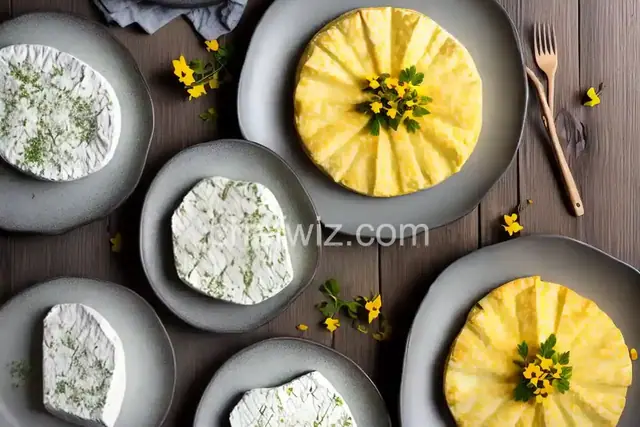
Ukrainian Easter Cheese (Paska)
Rate this recipeBe the first to rate
 By AprilPublished
 Have you ever wondered why certain foods are associated with certain holidays?
 By AprilPublished
 Have you ever wondered why certain foods are associated with certain holidays?
In the bowl of a stand mixer fitted with a paddle attachment, combine farmer cheese, cream cheese, butter, and egg yolks. Mix on low speed until well combined.
Add sugar, vanilla extract, lemon juice, lemon zest, and orange zest to the mixture. Continue mixing until the Paska mixture is smooth.
Prepare a sieve by lining it with dampened cheesecloth, ensuring that there is enough overhang on all sides. Place the sieve over a plate to catch any liquid that drains out.
Spoon the Paska mixture into the cheesecloth, then fold the ends of the cheesecloth over the mixture. Cover with a plate and place a heavy weight on top.
Chill the mixture in the refrigerator until the Paska is firm. This will take approximately overnight to 24 hours.
Once firm, remove the weighted plate and unfold the cheesecloth ends. Use the ends of the cheesecloth to lift the Paska out of the sieve.
Invert the Paska onto a plate and carefully peel away the cheesecloth.
If desired, you can substitute almond extract for the vanilla extract.
Note that traditionally, this dessert is made in a pyramid-shaped mold called a pasotchnitza. However, you can achieve the pyramid shape using a conical sieve or a clean terra cotta flower pot with a hole in the bottom. Alternatively, a regular sieve or colander
Have you ever wondered why certain foods are associated with certain holidays? Just like turkey is a staple for Thanksgiving and chocolate eggs are a must for Easter, Ukrainian Easter cheese, also known as Paska, holds a special place in the hearts and stomachs of many Ukrainians during the Easter season. In this article, we will explore the rich history and delectable taste of this traditional Ukrainian dish.
Like many traditional dishes, the origins of Ukrainian Easter cheese can be traced back centuries. Paska is believed to have its roots in pagan rituals, where bread was offered to the gods as a symbol of fertility and abundance. With the spread of Christianity, the tradition of offering bread evolved into the practice of baking Paska to celebrate the resurrection of Jesus Christ.
Paska is not just a tasty treat; it also carries deep symbolism. The round shape of the cheese represents the sun and the cycle of life, while the cross-shaped decoration on top symbolizes the crucifixion of Jesus. It is often adorned with intricate designs and colorful patterns, making it a visual delight.
To make Paska, a combination of simple ingredients is used, including flour, eggs, sugar, butter, and yeast. The dough is mixed and kneaded until it reaches the perfect consistency. It is then left to rise, allowing the yeast to work its magic and create a light and fluffy texture. Once baked, the cheese is brushed with melted butter to give it a golden, glossy finish.
One bite of Paska is enough to transport you to the heart of Ukraine. The rich, buttery flavor combined with the delicate sweetness makes it an irresistible treat. Whether enjoyed on its own or served with a dollop of jam or honey, Paska is a true delight for the taste buds.
In Ukrainian households, the preparation of Paska is a cherished family tradition. It brings generations together, as grandmothers pass down their secret recipes to their children and grandchildren. The process of making Paska is not just about the end result; it is about the joy of spending time with loved ones and preserving cultural heritage.
While Paska is deeply rooted in tradition, modern variations can be found that cater to different dietary preferences and taste buds. From vegan and gluten-free options to flavored fillings and toppings, Paska has evolved to accommodate a wide range of preferences without compromising its essence.
Paska is more than just a cheese; it is a symbol of tradition, family, and the joy of coming together to celebrate. Its rich history and delicious taste have made it a beloved treat for generations of Ukrainians. So why not embrace the spirit of Easter and try your hand at baking this delightful Ukrainian Easter cheese?
Yes, Paska can be frozen. Wrap it tightly in plastic wrap or foil and store it in the freezer for up to three months. Just make sure to thaw it properly before enjoying.
While traditional Paska recipes call for yeast, there are yeast-free alternatives available. These recipes often use baking powder as a leavening agent. The texture and flavor may differ slightly, but it can still be a delicious alternative.
Paska is best enjoyed within a few days of baking. To keep it fresh, store it in an airtight container at room temperature. If it starts to become stale, you can toast it or use it as a base for delicious bread pudding.
Absolutely! While the classic Paska is usually plain, you can experiment with different fillings to add a twist to the traditional recipe. Popular options include raisins, candied fruits, or even chocolate chips.
Paska is most commonly associated with Easter, but it can be enjoyed at any time of the year. Its rich history and delicious taste make it a beloved treat for Ukrainians and anyone who appreciates traditional cuisine.
Yes, you can use a bread machine to make Paska. Simply follow the instructions provided with your machine and set it to the appropriate setting for dough. Once the dough is ready, you can shape it into a round loaf and bake it in the oven.
While the traditional Paska is decorated with a cross-shaped design using dough, you can certainly get creative with icing. Use different colors and patterns to make your Paska even more visually appealing.
Yes, there are vegan versions of Paska available. These recipes often substitute dairy butter and eggs with plant-based alternatives. With the right ingredients and techniques, you can enjoy a delicious vegan Paska that is just as satisfying.
AprilCook, recipe developer and the heart of Chefwiz. More about April