Tulumba (Deep-Fried Pastry with Syrup)
Rate this recipeBe the first to rate
 By AprilPublished
 Imagine sinking your teeth into a delectable treat that combines the irresistible crunch of deep-fried pastry with the sweet, sticky goodness of syrup.
 By AprilPublished
 Imagine sinking your teeth into a delectable treat that combines the irresistible crunch of deep-fried pastry with the sweet, sticky goodness of syrup.
In a large pot, bring 2 cups of water and 6 tablespoons of oil to a boil over high heat.
Remove the pot from heat and mix in flour and baking powder until well combined. Let it cool for 15 to 20 minutes.
Add the eggs one by one, and beat the mixture with an electric mixer until smooth and homogeneous.
In the meantime, prepare the syrup. Combine sugar and 2 cups of water in a saucepan and bring it to a boil over medium-high heat. Stir until the sugar has dissolved. Remove from heat and let it cool for at least 20 to 30 minutes.
While the syrup cools, heat oil in a deep-fryer or large saucepan to 350 degrees F (175 degrees C).
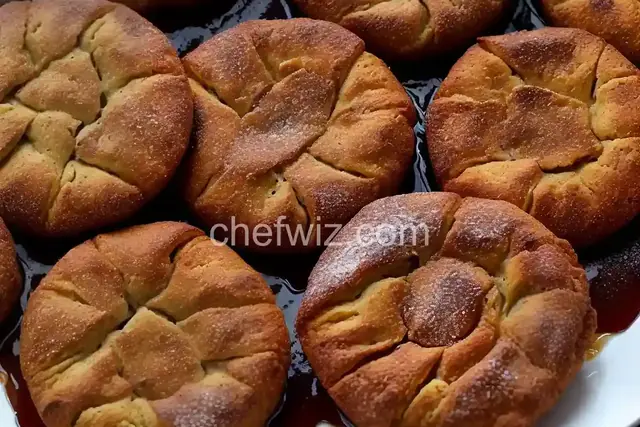
Spoon the dough into a tulumba syringe or an icing bag with a special nozzle, and pipe small portions of dough into the hot oil. Alternatively, you can drop spoonfuls of dough into the hot oil, but the tulumbas won't have the traditional shape. Work in batches and fry the tulumbas until they turn golden, which takes about 5 to 7 minutes. Remove them to a plate lined with a paper towel. Let them cool for about 10 minutes.
Transfer the tulumbas to a bowl and pour the cooled syrup on top. Allow them to soak for at least 2 hours.
Please note that
Imagine sinking your teeth into a delectable treat that combines the irresistible crunch of deep-fried pastry with the sweet, sticky goodness of syrup. That's precisely what you get with tulumba, a mouthwatering dessert that has captured the hearts of dessert lovers around the world. In this article, we will delve into the enticing world of tulumba, exploring its origins, preparation, and why it has become a beloved dessert for many. Join me on this delightful journey!
Like many culinary delights, tulumba has a rich history rooted in tradition and culture. Its origins can be traced back to the Ottoman Empire, where it was a popular delicacy enjoyed by sultans and commoners alike. Over time, tulumba spread across the Mediterranean and Balkan regions, captivating taste buds with its unique combination of flavors and textures.
Tulumba may appear simple at first glance, but its preparation requires precision and skill. The dough, made from a mixture of flour, butter, and eggs, is piped into thin strips and deep-fried until golden brown. Once cooked, the pastries are soaked in a luscious sugar syrup, allowing them to absorb the sweetness and become irresistibly tender.
One of the critical steps in creating perfect tulumba lies in the art of piping. The dough is carefully shaped into long, thin strips using a piping bag or syringe. The strips are then cut into small, bite-sized pieces before being dropped into the hot oil. This meticulous process ensures that each tulumba is uniform in size and shape, guaranteeing an even cooking and presentation.
When you take your first bite of tulumba, you are greeted with a delightful symphony of flavors. The crisp, golden exterior provides a satisfying crunch, while the syrup-soaked interior melts in your mouth, releasing a burst of sweetness. The contrast between the two textures creates a harmonious balance that keeps you coming back for more.
Tulumba is incredibly versatile, making it an ideal dessert for any occasion. Whether enjoyed on its own or paired with a scoop of velvety ice cream or a dollop of creamy yogurt, tulumba never fails to impress. The combination of warm, crisp pastry and cold, smooth accompaniments creates a sensory experience that is simply divine.
Tulumba, with its deep-fried pastry and syrupy goodness, is a dessert that tantalizes the senses and leaves you craving more. Whether you're a fan of sweet treats or simply appreciate the beauty of culinary artistry, tulumba is sure to captivate your taste buds. So go ahead, indulge in this sweet delight and savor the magic it brings!
Tulumba is best enjoyed fresh, but if you have leftovers, store them in an airtight container at room temperature. Consume within a day or two for the best taste and texture.
Yes, you can freeze tulumba for later enjoyment. Place them in a freezer-friendly container and thaw them at room temperature before serving.
Absolutely! While a piping bag or syringe makes shaping the tulumba easier, you can also use a ziplock bag with a hole cut in one corner. The goal is to create thin, uniform strips of dough.
While the traditional recipe calls for sugar syrup, you can experiment with different sweeteners like honey or maple syrup. Just keep in mind that it may alter the flavor profile slightly.
Yes, tulumba has inspired various regional adaptations. For example, in Greece, it is known as "touloumbes," while in Serbia, it is called "tulumbe." These variations may have slight differences in preparation and presentation.
Absolutely! There are many gluten-free flour options available, such as almond flour or rice flour, which can be used as a substitute in the dough. Just ensure that the other ingredients are also gluten-free.
Tulumba is enjoyed all year round, but it is particularly popular during festive occasions like Ramadan and Eid in many Middle Eastern countries.
Absolutely! Adding a touch of rosewater or orange blossom water to the syrup can infuse the tulumba with a delicate floral aroma, elevating the overall experience.
AprilCook, recipe developer and the heart of Chefwiz. More about April