Tuiles
Rate this recipeBe the first to rate
 By AprilPublished
 Have you ever wondered how a simple, delicate layer of crunch can elevate a dish from ordinary to extraordinary?
 By AprilPublished
 Have you ever wondered how a simple, delicate layer of crunch can elevate a dish from ordinary to extraordinary?
Start by using an electric mixer with the paddle attachment. Beat the butter at medium speed until it becomes creamy for about 30 seconds.
Add the confectioners' sugar and flour to the mixer and mix until everything is well combined.
Gradually add the egg whites one at a time, making sure to beat after each addition until the mixture is well blended. This should take about 1 minute in total.
Refrigerate the batter for about 30 minutes.
Preheat your oven to 350 degrees F.
Prepare a baking sheet by either spraying it with nonstick cooking spray or lining it with parchment paper.
Take 2 teaspoons of the batter and spoon it onto the baking sheet. Use a small, offset metal spatula to spread the batter evenly into a 3-inch circle. Repeat this process to make more tuiles, but only bake 6 to 8 at a time. Keep the remaining batter refrigerated while you bake.
Bake the tuiles for 4 to 6 minutes, or until the edges become lightly browned.
Remove the tuiles from the oven and immediately shape them. Use a metal spatula to lift each tuile and drape it over a rolling pin, curving it slightly until it sets. Repeat this step with the remaining batter.
Once the tuiles have cooled, store them in an airtight container in a cool, dry place for up to
Have you ever wondered how a simple, delicate layer of crunch can elevate a dish from ordinary to extraordinary? Meet the tuile, the unsung hero of the culinary world. These thin, crispy cookies are not only a treat for the taste buds but also a feast for the eyes. In this article, we will explore the art of making tuiles, their versatility in both sweet and savory dishes, and why they are a must-have in every chef's repertoire.
Creating the perfect tuile requires precision and finesse. Just like a dancer gracefully moves across the stage, tuiles require a delicate balance of ingredients to achieve their signature texture. The main players in this culinary ballet are flour, sugar, butter, and egg whites. Combined together, they form a smooth, runny batter that is then spread thinly onto a baking sheet.
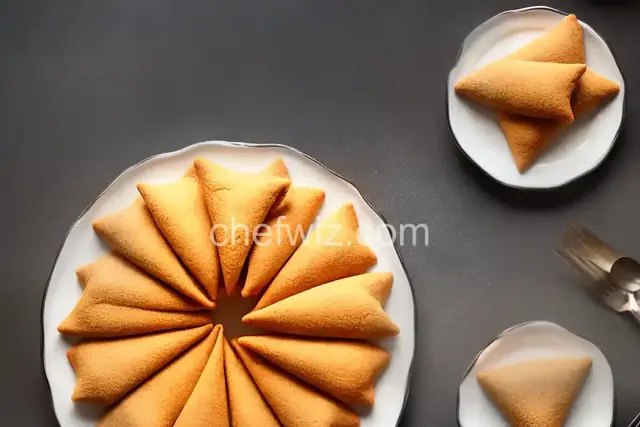
But what sets tuiles apart from other cookies is their unique shaping technique. The batter is carefully spread into various shapes, such as lace-like fans, curved cones, or even curved tiles. Once baked, these thin, lace-like creations become crispy and fragile, like a delicate piece of fine china.
Tuiles are not just limited to the realm of desserts. Their delicate crunch can also be paired with savory dishes, adding a delightful surprise to every bite. Imagine a salad adorned with tuile shards, adding a touch of elegance and texture. Or how about a creamy soup topped with a tuile sail, floating gracefully on the surface?
When it comes to sweet tuiles, the possibilities are endless. These delicate treats can be shaped into cups to hold creamy fillings, like mousse or fruit compote. They can also be rolled into cigar-like shapes and filled with whipped cream, creating a delectable dessert reminiscent of a French pastry shop.
Just like a symphony orchestra brings together different instruments to create harmonious melodies, tuiles can be the missing element that completes a culinary composition. Their delicately crunchy texture can provide a contrast to creamy desserts, balancing out the flavors and adding a touch of elegance to the presentation.
Furthermore, tuiles can also serve as artistic canvases for various decorations. A simple dusting of powdered sugar can transform a plain tuile into a snow-covered winter wonderland. Edible flowers, chocolate drizzles, or even gold leaf can be delicately placed on tuiles, turning them into edible works of art.
Tuiles are more than just cookies – they are delicate works of culinary art that can transform any dish into a masterpiece. Whether you decide to shape them into lace-like fans or curve them into elegant cones, tuiles bring a unique crunch and visual appeal to your creations. So why not embark on your own tuile-making adventure? With a little practice and a touch of creativity, you can unlock a world of culinary possibilities with these delicate delights.
While eggs are a crucial ingredient in traditional tuiles, there are alternative recipes that use egg substitutes or vegan-friendly options. Experiment with different recipes to find the one that suits your dietary needs.
Tuiles are best enjoyed shortly after they are made, as their delicate nature makes them prone to losing their crispiness over time. However, storing them in an airtight container can help preserve their texture for a day or two.
Yes, tuiles can be frozen to extend their shelf life. Place them in an airtight container or freezer bag and store them in the freezer for up to a month. Just make sure to thaw them at room temperature before serving.
Absolutely! Tuiles are incredibly versatile and can be shaped into various forms, limited only by your imagination. From curved cones to lace-like fans, feel free to get creative and let your culinary artistry shine.
Yes, making tuiles in advance for a party is a great idea. You can store them in an airtight container until it's time to serve. Just be careful when handling them, as they are delicate and can break easily.
Tuiles require a certain level of precision and attention to detail, but with practice, anyone can master the art of making tuiles. Start with simple shapes and gradually work your way up to more intricate designs.
Absolutely! Tuiles can be flavored with various extracts, spices, or even citrus zest to add an extra layer of complexity to their taste. Experiment with different flavor combinations to find your favorite.
Yes, tuiles make for stunning garnishes. Their delicate crunch and intricate shapes can add a touch of elegance to any dish. From desserts to savory dishes, tuiles can be the finishing touch that takes your culinary creations to the next level.
Tuiles have their roots in French cuisine. The word "tuile" actually means "tile" in French, which is a nod to their tile-like appearance. These delicate cookies have been a staple in French patisseries for centuries, delighting both locals and visitors alike.
AprilCook, recipe developer and the heart of Chefwiz. More about April