Tteokbokki: Spicy Korean Rice Cakes
Rate this recipeBe the first to rate
 By AprilPublished
 Have you ever craved a dish that's both comforting and spicy?
 By AprilPublished
 Have you ever craved a dish that's both comforting and spicy?
Heat a large pot over medium-low heat and toast the anchovies until they turn a light golden color, stirring frequently for about 2 minutes.
Add water, mushrooms, and salt to the pot, and bring it to a boil over high heat.
Reduce the heat to medium-low and let it simmer for 15 minutes.
Remove the pot from the heat and add the kelp. Allow it to steep for 10 minutes.
Strain the broth, and if desired, you can keep the kelp, mushrooms, and fish for future use.
If using hard, refrigerated rice cakes:
Separate the rice cakes if they are stuck together, rinse them under cool water, and then drain.
Transfer the rice cakes to a large bowl and cover them with 3 cups of hot water. Let them soak for 15 minutes until they are softened.
Drain the rice cakes and set them aside.
To make the sauce and cook the rice cakes:
Heat oil in a large pot over medium heat.
Add gochugaru, gochujang, garlic, soy sauce, vinegar, and honey to the pot. Stir until the ingredients are combined and fragrant, which takes about 1 minute.
Add 2 cups of the prepared anchovy broth to the pot and bring it to a boil.
Add the soaked rice cakes to the pot and
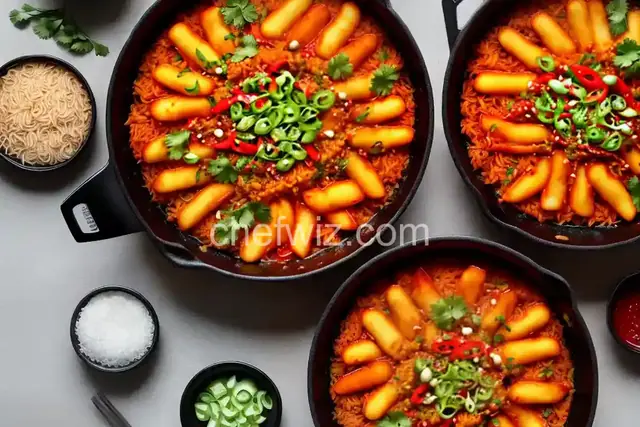
Have you ever craved a dish that's both comforting and spicy? Look no further than Tteokbokki, a popular Korean street food delicacy that will surely satisfy your taste buds. Imagine chewy rice cakes slathered in a fiery red sauce, creating a symphony of flavors that will leave you wanting more. In this article, we'll dive into the world of Tteokbokki, exploring its origins, ingredients, and the best places to enjoy this mouthwatering dish. So, grab a seat and get ready to embark on a culinary adventure!
Tteokbokki has a rich history that dates back to the Joseon Dynasty in Korea. Originally, it was considered a royal dish, enjoyed by the upper class. However, over time, it became a popular street food among the masses. Today, Tteokbokki can be found in various forms, from traditional recipes to modern twists that cater to different tastes and preferences.
At the heart of Tteokbokki are the rice cakes, known as "Tteok." These cylindrical-shaped rice cakes are made from glutinous rice flour, giving them their signature chewy texture. The sauce, often referred to as "gochujang," is the main star of the dish. It's a spicy red paste made from fermented soybeans, chili peppers, and other seasonings. The combination of these two key ingredients creates a harmonious balance of heat and indulgence.
While the rice cakes and sauce take center stage, Tteokbokki offers a variety of other delicious toppings and additions. From fish cakes and boiled eggs to ramen noodles and vegetables, the possibilities are endless. These additional ingredients enhance the overall flavor profile, adding depth and complexity to every bite. Feel free to experiment and customize your Tteokbokki to suit your personal taste.
If you're lucky enough to visit Korea, you'll find Tteokbokki being sold in bustling markets, food stalls, and even dedicated Tteokbokki restaurants. The vibrant streets of Seoul, Busan, and Incheon are known for their wide array of Tteokbokki options. Each region may have its own unique twist on the dish, making it a must-try wherever you go.
While Tteokbokki is undeniably indulgent and flavorful, it's important to consider its nutritional value. The dish contains essential nutrients such as carbohydrates from the rice cakes and vitamins from the various toppings. However, due to its spicy nature and potential high sodium content, it's best enjoyed in moderation. As with any food, balance is key to maintaining a healthy and well-rounded diet.
Yes, Tteokbokki can be made in a vegetarian-friendly version by using vegetable broth and omitting meat or seafood toppings.
Tteokbokki can range from mildly spicy to extremely hot, depending on the amount of gochujang sauce and additional chili flakes used in the recipe.
Absolutely! Tteokbokki is a dish that can be easily recreated in your own kitchen. With a few key ingredients and a bit of patience, you can enjoy homemade Tteokbokki anytime.
Yes, there are many variations of Tteokbokki, such as seafood Tteokbokki, cheese Tteokbokki, and even fusion versions that incorporate ingredients from other cuisines.
Absolutely! You can adjust the spiciness of Tteokbokki by adding more or less gochujang sauce and chili flakes according to your preference.
The rice cakes used in Tteokbokki are typically gluten-free. However, it's important to check the ingredients of the gochujang sauce and other toppings to ensure they are also gluten-free.
While it's possible to freeze leftover Tteokbokki, the texture may change slightly upon reheating. It's best to consume it fresh for the best taste and texture.
Some popular side dishes to enjoy alongside Tteokbokki include Kimchi, Korean fried chicken, and Japchae (stir-fried glass noodles).
In conclusion, Tteokbokki is a beloved Korean dish that combines chewy rice cakes with a fiery red sauce, creating a symphony of flavors. Whether you enjoy it as a street food delicacy or make it in the comfort of your own home, Tteokbokki promises a delightful experience. So, gather your ingredients, embrace the spice, and savor each mouthful of this tantalizing dish!
AprilCook, recipe developer and the heart of Chefwiz. More about April