Traditional Swedish Pancakes
Rate this recipeBe the first to rate
 By AprilPublished
 Have you ever tasted a dish that takes you on a journey through time and culture?
 By AprilPublished
 Have you ever tasted a dish that takes you on a journey through time and culture?
In a large bowl, beat the eggs.
Add the milk, flour, sugar, 1 tablespoon of vegetable oil, and vanilla extract to the bowl.
Mix the ingredients until the batter becomes very thin.
Heat a griddle or Swedish plett pan over medium heat.
Add about 1 teaspoon of oil to the griddle.
Pour a small amount of batter onto the griddle.
Use the griddle to spread the batter into a thin layer.
Cook the pancake until it is lightly browned, which should take about 2 to 3 minutes.
Flip the pancake and cook the other side until it is browned as well, again taking about 2 to 3 minutes.
Roll the pancake and transfer it to a plate.
Repeat the process with the remaining batter.
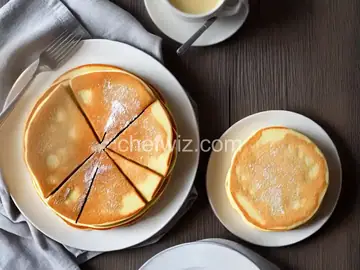
Have you ever tasted a dish that takes you on a journey through time and culture? Traditional Swedish pancakes are one such delicacy that can transport your taste buds to the charming streets of Stockholm or the cozy cafes of Gothenburg. These thin and luscious pancakes, also known as Pannkakor, hold a special place in Swedish cuisine and have become a beloved treat worldwide. Let's explore the captivating history, unique preparation, and delightful taste of traditional Swedish pancakes.
Swedish cuisine is a reflection of its rich history and the influence of neighboring countries. Traditional Swedish pancakes have roots that can be traced back to the 16th century. Initially, pancakes were considered a luxury and were exclusively enjoyed by the aristocracy. However, over time, the recipe evolved, and pancakes became a staple in Swedish households.
Swedish pancakes are often compared to French crepes, but they have their own distinct character. The batter is made with simple ingredients like flour, eggs, milk, and a pinch of salt. Unlike their French counterparts, Swedish pancakes are slightly thicker and have a delicate texture that melts in your mouth.
Preparing traditional Swedish pancakes is an art that requires patience and precision. The batter is prepared by whisking the ingredients together until smooth. The key to achieving the perfect consistency lies in allowing the batter to rest for at least 30 minutes. This resting period allows the gluten to relax, resulting in tender and fluffy pancakes.
When it comes to cooking Swedish pancakes, a well-seasoned cast-iron skillet or a non-stick pan is the preferred choice. The pan is lightly greased with butter, and a ladleful of batter is poured onto the hot surface. The pancake is then gently swirled around to create a thin and even layer. As the edges turn golden, it's time to flip the pancake and cook it for a few more seconds. The end result is a stack of golden brown pancakes, ready to be devoured.
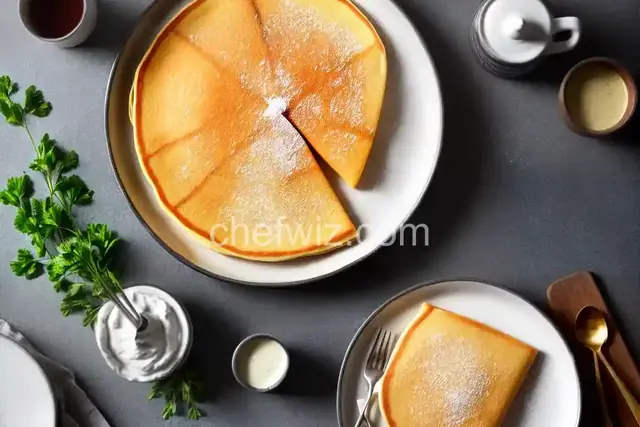
Traditional Swedish pancakes are a versatile treat that can be enjoyed in various ways. They can be served simply with a sprinkle of powdered sugar and a squeeze of lemon, allowing the delicate flavors to shine. For a more indulgent experience, Swedish pancakes can be topped with a dollop of whipped cream and a generous drizzle of lingonberry jam.
Swedish pancakes are often served as a dessert or enjoyed as a filling breakfast. They can be rolled up and filled with a variety of sweet or savory fillings, such as fresh berries, Nutella, or smoked salmon. The possibilities are endless, and each bite is a delightful surprise.
Traditional Swedish pancakes are more than just a dish; they are a window into Swedish culture and history. These thin and delectable treats have stood the test of time, captivating people's taste buds for centuries. Whether enjoyed with a sprinkle of sugar and a splash of lemon or filled with your favorite ingredients, Swedish pancakes are a delightful experience that brings joy to any meal. So, why not embark on a culinary adventure and savor the deliciousness of traditional Swedish pancakes?
No, eggs are an essential ingredient in the traditional Swedish pancake recipe. They contribute to the texture and help bind the batter together.
Unfortunately, traditional Swedish pancakes are not gluten-free as they are made with wheat flour. However, there are gluten-free alternatives available that use alternative flours.
Absolutely! Swedish pancakes freeze well and can be stored in the freezer for up to three months. Simply layer them between parchment paper and place them in an airtight container or freezer bag.
While Swedish pancakes share similarities with French crepes, they have their own unique characteristics. Swedish pancakes are slightly thicker and have a tender texture, whereas crepes are thinner and more delicate.
Yes, you can use plant-based milk alternatives like almond milk or oat milk in place of regular milk. However, keep in mind that the taste and texture may vary slightly.
The best way to reheat Swedish pancakes is by gently warming them in a non-stick pan or briefly microwaving them. Avoid overheating, as it can make the pancakes dry.
Absolutely! You can prepare the pancake batter in advance and refrigerate it for up to 24 hours. This allows the flavors to develop, and you can easily whip up a fresh batch whenever you're ready.
Yes, Swedish pancakes continue to be a beloved dish in Sweden. They are commonly enjoyed during breakfast or as a dessert, and many Swedish households have their own cherished recipes passed down through generations.
AprilCook, recipe developer and the heart of Chefwiz. More about April