Traditional Pita Breads
Rate this recipeBe the first to rate
 By AprilPublished
 Imagine sinking your teeth into a warm, fluffy bread that's both versatile and delicious.
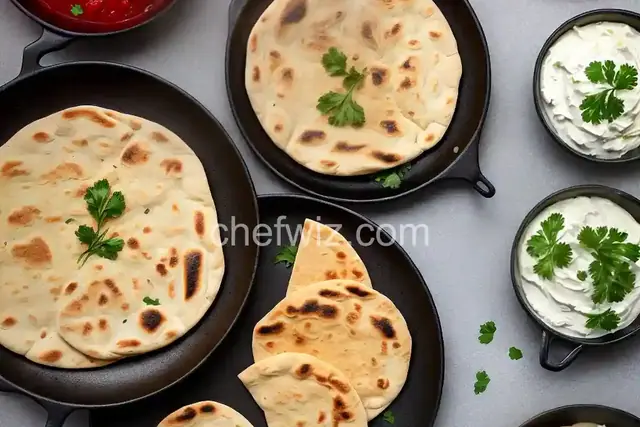 By AprilPublished
 Imagine sinking your teeth into a warm, fluffy bread that's both versatile and delicious.
In a mixing bowl, sprinkle yeast over warm water and let it sit for about 5 minutes until a creamy foam forms.
Add 2 cups of flour, salt, and shortening to the bowl and mix with a fork for 2 minutes.
Gradually stir in the remaining 1 1/2 cup of flour until the dough reaches the desired consistency.
Transfer the dough onto a floured surface and knead it until smooth and elastic, adding more flour if needed.
Shape the dough into a ball, cover it with a kitchen towel, and let it rest in a warm area for 15 minutes.
Preheat the oven to 500 degrees F (260 degrees C).
Divide the dough into 12 equal portions and roll each piece into a ball, using floured hands. Cover the dough balls with a kitchen towel and let them rest for 10 minutes.
Flatten the dough balls into rounds on a floured surface and cover with a kitchen towel. Let them rest for an additional 10 minutes.
Roll each dough ball into a 6-inch diameter circle on a floured surface.
Place the pita breads in a single layer on ungreased baking sheets.
Bake the pita breads in the preheated oven for 3 to 4 minutes, or until they puff up.
Flip the breads over with a spatula, return them to
Imagine sinking your teeth into a warm, fluffy bread that's both versatile and delicious. That's the magic of traditional pita breads! These rounds of goodness have been enjoyed for centuries, and for good reason. They offer a unique texture and taste that sets them apart from other breads.
Creating the perfect traditional pita bread requires skill and precision. The dough is carefully mixed and kneaded to achieve the perfect consistency. It's then left to rise, allowing the flavors to develop and the bread to become light and airy. Once it's time to bake, the dough is transformed into small rounds and placed in a hot oven. The intense heat causes the bread to puff up, creating a pocket that's perfect for stuffing with your favorite fillings.
One of the beauties of traditional pita breads is their versatility. They can be enjoyed with both savory and sweet fillings, making them suitable for any meal of the day. Whether you're craving a hearty sandwich, a flavorful wrap, or a delightful dessert, pita breads have got you covered. They can be filled with anything from falafel and hummus to fresh fruits and creamy spreads.
In addition to their delicious taste and versatility, traditional pita breads also offer several health benefits. They are typically low in fat and calories, making them a great option for those watching their waistline. Pita breads are also a good source of fiber, which aids in digestion and helps to keep you feeling full for longer. Plus, they are a healthier alternative to regular breads, as they are often made with whole wheat flour.
Traditional pita breads have a rich cultural history that extends beyond their culinary appeal. They are a staple in Middle Eastern and Mediterranean cuisines, where they are enjoyed on a daily basis. By incorporating pita breads into your meals, you're not only indulging in a delicious treat but also embracing a cultural tradition that has stood the test of time.
Traditional pita breads are more than just bread; they are a culinary delight that has captivated taste buds for centuries. With their unique texture, versatility, and health benefits, it's no wonder they have become a beloved staple in many cuisines around the world. So why not embrace the pita bread culture and start incorporating these delicious rounds of goodness into your meals? Your taste buds will thank you!
Traditional pita breads can stay fresh for up to a week when stored properly in an airtight container or bag.
Yes, you can freeze traditional pita breads. Just make sure to wrap them tightly in plastic wrap or aluminum foil before placing them in the freezer.
Traditional pita breads are typically made with wheat flour, which contains gluten. However, there are gluten-free alternatives available for those with dietary restrictions.
Absolutely! Making traditional pita breads at home can be a fun and rewarding experience. There are plenty of recipes available online to guide you through the process.
The best way to reheat pita breads is to wrap them in aluminum foil and warm them in the oven for a few minutes. This will help restore their softness and freshness.
Yes, pita breads are suitable for vegan diets as they are typically made with plant-based ingredients.
Absolutely! Pita breads can be filled with sweet fillings such as fresh fruits, chocolate spreads, or even ice cream to create delicious desserts.
Pita breads are often considered a healthier alternative to regular breads due to their lower calorie and fat content. They are also a good source of fiber.
AprilCook, recipe developer and the heart of Chefwiz. More about April