Traditional Japanese Breakfast
Rate this recipeBe the first to rate
 By AprilPublished
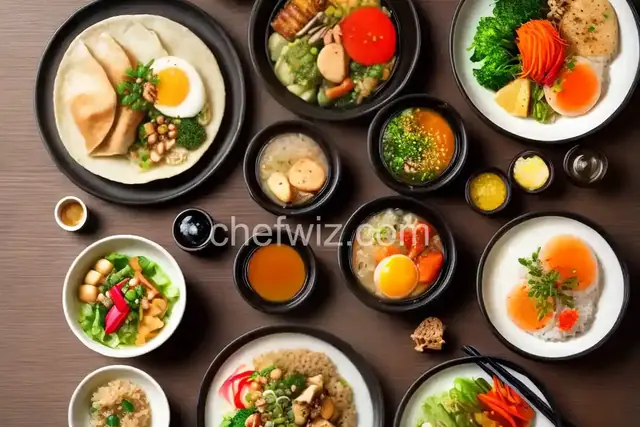
 Have you ever wondered what a traditional Japanese breakfast looks like?
 By AprilPublished
 Have you ever wondered what a traditional Japanese breakfast looks like?
Cook the rice following the provided instructions.
In a pan, combine the instant dashi stock and boiling water. Add the potato and simmer over medium heat for approximately six minutes, or until the potato is cooked.
Take a ladle of soup from the pan and transfer it to a bowl. Dissolve the miso in the soup. Gradually pour this miso mixture back into the pan of soup. Gently stir the soup, making sure not to let it boil after adding the miso. Turn off the heat and add the chopped spring onion.
Serve the soup hot in small bowls.
Mix together the ginger, spring onion, and soy sauce. Pour this mixture over the salmon fillets and let them stand at room temperature for 15 minutes.
Pour a small amount of boiling water into a grill pan. Place the fish on the grill rack above the water to keep it moist while grilling. Grill the fish under medium to high heat for about 5-6 minutes on each side, being careful not to overcook it.
Combine the eggs, sugar, soy sauce, and bonito flakes (or instant dashi, if using). Thoroughly mix all the ingredients.
Heat a small non-stick frying pan with some vegetable oil over medium to high heat. Add the egg mixture to the pan. Use a wooden spoon to agitate the eggs, ensuring a fluffy texture for the omelette.
Have you ever wondered what a traditional Japanese breakfast looks like? Imagine waking up to a table filled with a variety of delicious and nutritious dishes, each carefully prepared to provide you with a balanced start to your day. In this article, we will explore the elements of a traditional Japanese breakfast, its cultural significance, and the health benefits it offers. So, grab your chopsticks and join us on this culinary journey!
A traditional Japanese breakfast typically consists of several small dishes that are meant to be enjoyed together. These dishes are thoughtfully chosen to provide a mix of flavors, textures, and nutrients. One of the main staples of a Japanese breakfast is rice, which is often served alongside miso soup, grilled fish, pickled vegetables, and a variety of side dishes.
Rice is considered the heart of a Japanese meal, and breakfast is no exception. It is usually steamed and served in a small bowl. The Japanese have been cultivating rice for centuries, and it holds a special place in their culture and cuisine.
Miso soup is another essential component of a Japanese breakfast. It is made by combining miso paste with dashi (a Japanese stock) and adding various ingredients like tofu, seaweed, and green onions. The umami-rich flavors of miso soup provide a comforting and savory start to the day.
Grilled fish, such as salmon or mackerel, is a common protein source in a Japanese breakfast. It is usually marinated in soy sauce or mirin and cooked until tender and flavorful. Fish provides omega-3 fatty acids, which are known for their numerous health benefits.
Japanese breakfasts often include an assortment of pickled vegetables, known as tsukemono. These vegetables are pickled in vinegar, salt, or soy sauce, which adds a tangy and refreshing element to the meal. Pickled vegetables are not only delicious but also aid in digestion and provide essential vitamins and minerals.
In addition to the main components, a Japanese breakfast may also include side dishes like tamagoyaki (rolled omelet), natto (fermented soybeans), nori (seaweed), and a variety of small plates with different flavors and textures. These side dishes add variety and depth to the overall breakfast experience.
Japanese cuisine is deeply rooted in tradition and symbolism, and the same holds true for a traditional Japanese breakfast. It is not just a meal to fuel the body; it is a reflection of the Japanese way of life and their connection to nature. The emphasis on fresh, seasonal ingredients and the artful presentation of each dish is a testament to the Japanese appreciation for simplicity and beauty.
In Japanese culture, breakfast is a time for reflection and gratitude. It is a moment to appreciate the blessings of a new day and to honor the efforts of those who have provided the food. The act of sharing a meal together, whether with family or friends, fosters a sense of community and strengthens relationships.
A traditional Japanese breakfast offers numerous health benefits due to its emphasis on fresh ingredients and balanced nutrition. The combination of rice, fish, vegetables, and fermented foods provides a wide range of nutrients, including protein, fiber, vitamins, and minerals.
The inclusion of fish in a Japanese breakfast is particularly beneficial. Fish is a rich source of omega-3 fatty acids, which are known to promote heart health, reduce inflammation, and support brain function. Additionally, the consumption of fermented foods like miso and pickled vegetables aids in digestion and contributes to gut health.
Furthermore, the portion sizes in a Japanese breakfast are typically smaller compared to a Western-style breakfast. This helps in portion control and prevents overeating, leading to healthier body weight management and reduced risk of chronic diseases.
Absolutely! While traditional Japanese breakfasts follow a specific structure, you can always adapt the dishes to accommodate your dietary preferences or restrictions. For example, you can substitute fish with tofu or include more vegetables if you follow a vegetarian or vegan diet.
Not necessarily. While some dishes may require more time and effort, there are also simpler options available. For a quick and easy Japanese breakfast, you can prepare a bowl of rice, miso soup, and a few pickled vegetables. The key is to prioritize the balance of flavors and textures.
Absolutely! In fact, many Japanese people enjoy traditional breakfast dishes for dinner as well. The focus is on the variety of flavors and the nutritional value of the meal, rather than the time of day it is consumed.
A traditional Japanese breakfast is generally considered healthy, but it may not be suitable for everyone. If you have specific dietary restrictions or medical conditions, it is always best to consult with a healthcare professional or registered dietitian before making any major changes to your diet.
Yes, you can find traditional Japanese breakfast dishes in Japanese restaurants or specialty shops in many countries. With the growing popularity of Japanese cuisine, it is becoming easier to experience the flavors and traditions of a traditional Japanese breakfast no matter where you are.
Yes, a traditional Japanese breakfast can be a nutritious and balanced meal for children. However, it is important to consider individual dietary needs and preferences. You can adjust the portion sizes and choose dishes that appeal to your child's taste buds while still incorporating the key components of a traditional Japanese breakfast.
While rice is the traditional staple, you can explore other grains like barley, millet, or quinoa as alternatives. These grains can provide similar texture and nutritional benefits as rice, while adding variety to your breakfast.
AprilCook, recipe developer and the heart of Chefwiz. More about April