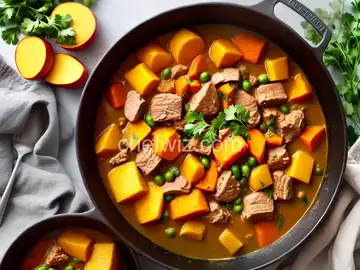
Traditional Irish Stew
Rate this recipeBe the first to rate
 By AprilPublished
 When it comes to hearty and comforting dishes, few can rival the humble yet delicious Traditional Irish Stew.
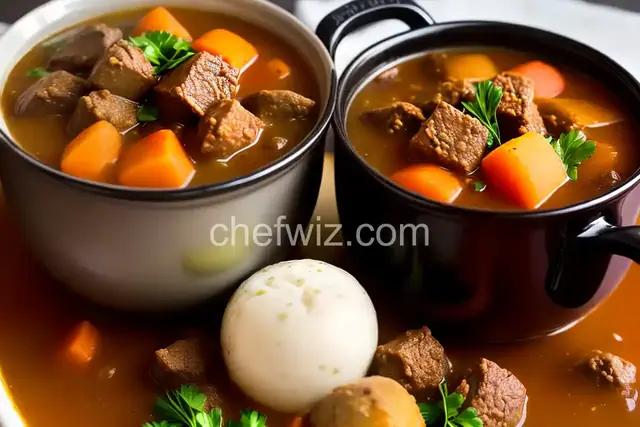 By AprilPublished
 When it comes to hearty and comforting dishes, few can rival the humble yet delicious Traditional Irish Stew.
Heat oil in a large stockpot or Dutch oven over medium heat.
Add lamb pieces and cook, stirring gently, until they are evenly browned. Season with salt and pepper.
Stir in onion, carrots, and parsnips and cook gently for a few minutes.
Stir in water and cover the pot. Bring it to a boil.
Reduce the heat to low and simmer until the lamb is tender. This may take about 45 minutes to 1 hour, depending on the cut of meat you used.
Stir in potatoes and simmer for 15 to 20 minutes.
Add leeks and rosemary and continue to simmer uncovered until the potatoes are tender but still whole.
Serve the dish piping hot in bowls, garnished with fresh parsley.
When it comes to hearty and comforting dishes, few can rival the humble yet delicious Traditional Irish Stew. This classic dish has been warming the hearts and bellies of the Irish people for generations. But what makes this stew so special? Let's dive into the rich history and flavors of Irish cuisine and uncover the secrets behind this beloved dish.
Irish stew is a dish that has deep roots in Irish history. It originated as a simple and economical way to feed large families with limited ingredients. Traditionally, Irish stew consists of lamb or mutton, potatoes, onions, and a medley of seasonal vegetables. The slow cooking process allows the flavors to meld together, creating a mouth-watering combination that warms both body and soul.
To truly capture the essence of Traditional Irish Stew, the choice of ingredients is crucial. The star of the show is the meat, which is typically lamb or mutton. The meat is often browned before being simmered in a savory broth, ensuring tender and flavorful chunks in every bite. Potatoes, a staple in Irish cuisine, provide substance and help thicken the stew. Onions and carrots bring their natural sweetness to balance the savory flavors, while herbs like thyme and rosemary add a touch of earthiness.
Irish stew is a dish that requires patience and love. The slow and gentle cooking process allows the flavors to develop and intensify. The meat is seared to lock in juices, then simmered for hours until it becomes tender and succulent. As the stew simmers, the potatoes release their starch, creating a thick and hearty broth. The result is a melt-in-your-mouth stew that is both comforting and satisfying.
While the traditional Irish stew remains a favorite, there are countless variations that cater to different tastes and preferences. Some cooks add Guinness or red wine for a richer flavor, while others opt for beef or even chicken instead of lamb. Vegetarians can also enjoy a delicious version by substituting the meat with hearty vegetables like mushrooms or lentils. The beauty of Irish stew lies in its versatility and adaptability.
A piping hot bowl of Traditional Irish Stew is perfect for those chilly winter nights or when you simply crave a comforting meal. This hearty dish pairs well with a slice of crusty bread or a side of buttery mashed potatoes. The flavors deepen and develop even further when left to simmer overnight, making it an ideal make-ahead dish for gatherings or special occasions.
Traditional Irish Stew is more than just a dish. It's a celebration of Irish heritage and a testament to the resourcefulness and ingenuity of the Irish people. From humble beginnings, this simple yet flavorful stew has become a beloved comfort food around the world. So why not gather your ingredients, put on your apron, and savor the taste of tradition?
Absolutely! While lamb is the traditional choice, beef can be a delicious alternative in Irish stew.
Yes! Slow cookers are a convenient way to prepare Irish stew. Simply add all the ingredients and let it simmer for several hours.
Yes, Irish stew freezes well. Just make sure to cool it completely before transferring it to a freezer-safe container.
Aside from potatoes, onions, and carrots, you can add vegetables like turnips, parsnips, or even peas to your Irish stew.
Absolutely! Thyme and rosemary are commonly used, but feel free to experiment with other herbs and spices to suit your taste.
Irish stew is best when simmered slowly for at least 2-3 hours to allow the flavors to develop.
Yes! In fact, Irish stew tastes even better when made in advance as it allows the flavors to meld together. Simply reheat before serving.
Absolutely! Vegetarian versions of Irish stew can be made by substituting meat with hearty vegetables or legumes.
AprilCook, recipe developer and the heart of Chefwiz. More about April