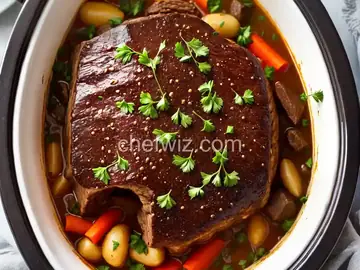
Traditional Gyro Meat
Rate this recipeBe the first to rate
 By AprilPublished
 Have you ever wondered what makes that Greek gyro meat so flavorful and delicious?
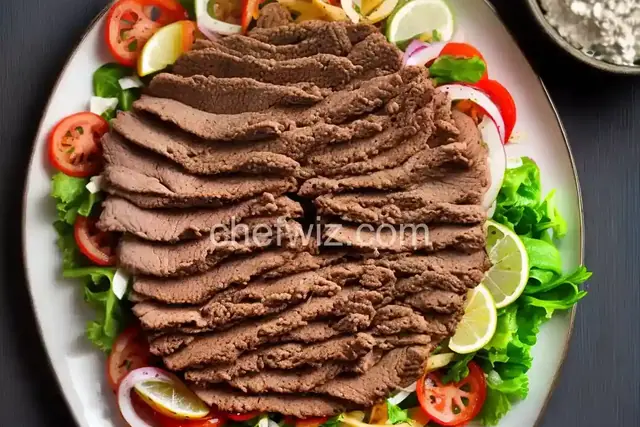 By AprilPublished
 Have you ever wondered what makes that Greek gyro meat so flavorful and delicious?
Finely chop the onion in a food processor.
Place the chopped onion in the center of a towel and squeeze to remove any liquid.
In a large bowl, combine the chopped onion, lamb, beef, garlic, oregano, cumin, marjoram, rosemary, thyme, pepper, and salt. Mix well using your hands.
Cover the bowl and refrigerate for 1 to 2 hours to allow the flavors to blend.
Preheat the oven to 325 degrees F (165 degrees C).
Transfer the meat mixture to a food processor and pulse until finely chopped and the texture becomes tacky, approximately 1 minute.
Pack the mixture into a 7x4-inch loaf pan, making sure there are no air pockets.
Line a large roasting pan with a damp kitchen towel. Place the loaf pan in the center of the towel-lined roasting pan.
Carefully pour boiling water into the roasting pan until it reaches halfway up the sides of the loaf pan.
Bake in the preheated oven for 45 minutes to 1 hour, or until the gyro meat is no longer pink in the center. Use an instant-read thermometer to ensure the internal temperature reaches at least 160 degrees F (70 degrees C).
Remove any accumulated fat and allow the meat to cool slightly before slicing thinly and serving.
If desired, you can substitute ground pork
Have you ever wondered what makes that Greek gyro meat so flavorful and delicious? It's a staple in Greek cuisine, loved by many for its juicy and tender texture. In this article, we will explore the secrets behind traditional gyro meat, its history, and how you can recreate this mouthwatering dish at home.
The origins of gyro meat can be traced back to ancient Greece. It was inspired by the Turkish dish called "döner kebab," which means "rotating roast." The Greeks adapted this concept and made it their own, creating the gyro we know and love today. The meat is typically made from lamb, although beef and chicken variations are also popular.
One of the secrets to achieving that incredible flavor in gyro meat lies in the marination process. The meat is marinated in a combination of olive oil, lemon juice, garlic, and a blend of Greek herbs and spices. This marinade not only infuses the meat with delicious flavors but also helps to tenderize it, resulting in a melt-in-your-mouth texture.
Another key element in making traditional gyro meat is the cooking method. The meat is traditionally cooked on a vertical rotisserie, allowing it to slowly cook and develop a crispy outer layer while retaining its juiciness. This method ensures that the meat is cooked evenly and retains its natural juices, resulting in a succulent and flavorful final product.
Now that we know the secrets behind traditional gyro meat, let's explore how you can make it at home. While you may not have a vertical rotisserie in your kitchen, you can still achieve great results using a grill or oven. Simply shape the marinated meat into a loaf shape and cook it until it reaches the desired internal temperature.
Gyro meat is incredibly versatile and can be enjoyed in various ways. The most common way to serve it is in a warm pita bread, topped with tzatziki sauce, tomatoes, onions, and lettuce. However, you can also use gyro meat in salads, wraps, or even as a topping for pizza. Get creative and experiment with different flavor combinations!
Traditional gyro meat is a culinary delight that brings the flavors of Greece into your kitchen. By marinating the meat with a blend of herbs and spices and cooking it to perfection, you can recreate this beloved dish at home. Whether you enjoy it in a pita bread or get creative with different serving options, gyro meat is sure to satisfy your taste buds. So why not give it a try and transport yourself to the streets of Greece with every bite?
Absolutely! While lamb is the traditional choice, you can use beef, chicken, or a combination of meats to make gyro meat.
It's best to marinate the meat for at least 4 hours, but overnight marination will yield the best results.
Yes, you can! Simply shape the meat into a loaf and cook it in the oven or on a grill.
Besides the classic toppings mentioned earlier, you can also add feta cheese, olives, or even pickled vegetables for extra flavor.
To achieve a crispy outer layer, you can broil the meat for a few minutes after it has finished cooking.
Yes, gyro meat freezes well. Simply wrap it tightly in plastic wrap or store it in an airtight container before freezing.
While the olive oil in the marinade adds flavor and helps tenderize the meat, you can omit it if desired. However, the final result may not be as juicy and flavorful.
Absolutely! Store-bought tzatziki sauce is a convenient option, but if you have the time, homemade tzatziki is always a delicious choice.
AprilCook, recipe developer and the heart of Chefwiz. More about April