Traditional Greek Salad (Choriatiki Salata)
Rate this recipeBe the first to rate
 By AprilPublished
 Are you tired of the same old boring salads? Looking for something refreshing and bursting with flavors?
 By AprilPublished
 Are you tired of the same old boring salads? Looking for something refreshing and bursting with flavors?
Cut the tomatoes into slices.
Cut the cucumbers into 4 pieces.
Dice the cucumbers into cubes.
Place the tomatoes and cucumbers into a large salad bowl.
Slice the onion.
Sprinkle the onions and olives on top.
Finally, add the feta cheese, capers, oregano, salt, pepper, and drizzle with olive oil.
Enjoy your meal!
Are you tired of the same old boring salads? Looking for something refreshing and bursting with flavors? Look no further than the traditional Greek salad, also known as Choriatiki Salata. This classic Mediterranean dish is a perfect blend of freshness, simplicity, and deliciousness. Let's dive into the world of this iconic Greek salad and discover why it has stood the test of time.
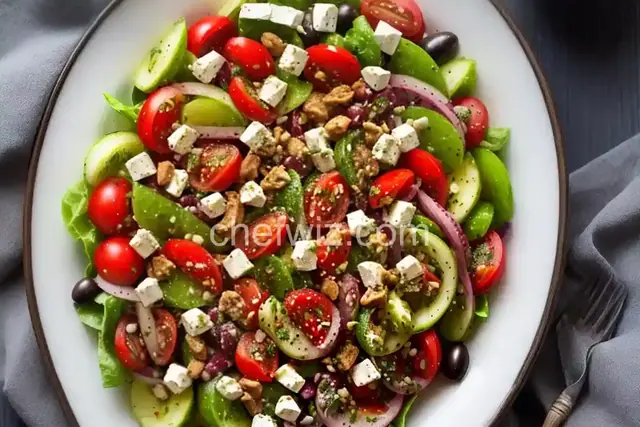
Imagine a sunny afternoon in the picturesque Greek islands, with a gentle sea breeze caressing your face. The vibrant colors of sun-ripened tomatoes, crisp cucumbers, and juicy olives dance on your plate. The tangy feta cheese crumbles, delicate red onions, and aromatic oregano add a burst of flavor. This is the essence of a traditional Greek salad.
But what makes it so special? It's the combination of simple, fresh ingredients that come together harmoniously to create a symphony of tastes. Each bite takes you on a journey to the Mediterranean, where the flavors are bold, yet balanced.
One of the key characteristics of a traditional Greek salad is its simplicity. Unlike elaborate salads with countless ingredients, this salad focuses on the quality and freshness of a few key components. It's a celebration of nature's bounty.
Just a handful of ingredients can create magic on your plate. The ripest, juiciest tomatoes take center stage, accompanied by crisp cucumbers that provide a refreshing crunch. The tangy feta cheese adds a creamy richness, while the briny Kalamata olives offer a burst of flavor. A drizzle of extra virgin olive oil and a sprinkle of oregano tie everything together.
Whether you're hosting a summer barbecue, enjoying a picnic in the park, or simply craving a light lunch, the traditional Greek salad is the perfect choice. Its versatility makes it suitable for any occasion.
Pair it with grilled chicken or lamb for a satisfying meal. Serve it as a side dish with grilled fish or seafood. You can even enjoy it on its own as a refreshing and healthy lunch option. The possibilities are endless.
Aside from its delicious taste, the traditional Greek salad also offers numerous health benefits. It's a nutrient-dense dish that provides a wide range of vitamins, minerals, and antioxidants.
The combination of fresh vegetables and olive oil provides a good dose of heart-healthy fats. The tomatoes are rich in lycopene, a powerful antioxidant that may help reduce the risk of certain cancers. The cucumbers hydrate your body while adding fiber and vitamins.
And let's not forget about the feta cheese. While it may be high in fat, it's also a good source of calcium and protein. The Kalamata olives offer healthy monounsaturated fats and contain beneficial plant compounds.
The traditional Greek salad, with its vibrant colors, fresh ingredients, and bold flavors, is a culinary masterpiece that has captured the hearts and taste buds of people worldwide. It's a simple yet satisfying dish that transports you to the sun-kissed shores of Greece with every bite. So why not indulge in this Mediterranean delight and experience the magic of a traditional Greek salad?
While the traditional Greek salad recipe calls for specific ingredients, feel free to add your own twist. You can include ingredients like bell peppers, capers, or even grilled vegetables to enhance the flavors.
Although feta cheese is the traditional choice, you can experiment with other types of cheese. Goat cheese or halloumi can be delicious alternatives that complement the flavors of the salad.
Absolutely! Greek salad is a vegetarian-friendly dish that is packed with plant-based goodness. It's a great option for those following a vegetarian or Mediterranean diet.
Yes, you can prepare the ingredients in advance and assemble the salad just before serving. Keep the vegetables and cheese separate until you're ready to enjoy the fresh flavors.
It's best to consume Greek salad immediately after preparing it for the freshest taste. However, if you have leftovers, store them in an airtight container in the refrigerator for up to two days.
Yes, Greek salad is naturally gluten-free as it doesn't contain any gluten-containing ingredients. It's a safe choice for individuals with gluten sensitivities or celiac disease.
While the traditional Greek salad includes feta cheese, you can easily make it vegan by omitting the cheese or using a plant-based cheese alternative. The flavors will still be delightful.
Greek salad is typically dressed with a drizzle of extra virgin olive oil and a sprinkle of dried oregano. The natural flavors of the vegetables shine through without the need for heavy dressings.
AprilCook, recipe developer and the heart of Chefwiz. More about April