Traditional Eggnog
Rate this recipeBe the first to rate
 By AprilPublished
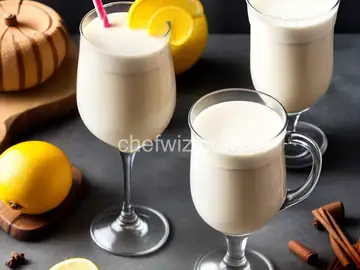
 Eggnog is a delightful holiday beverage that brings warmth and cheer to any gathering.
 By AprilPublished
 Eggnog is a delightful holiday beverage that brings warmth and cheer to any gathering.
Use an electric mixer on medium speed to beat the eggs until they become frothy. This should take around 2 to 3 minutes.
Gradually add the sugar, vanilla extract, and 1/4 teaspoon of nutmeg to the beaten eggs and continue to beat.
Stir in the cream, milk, brandy, and rum into the mixture.
Cover the mixture and place it in the refrigerator to chill.
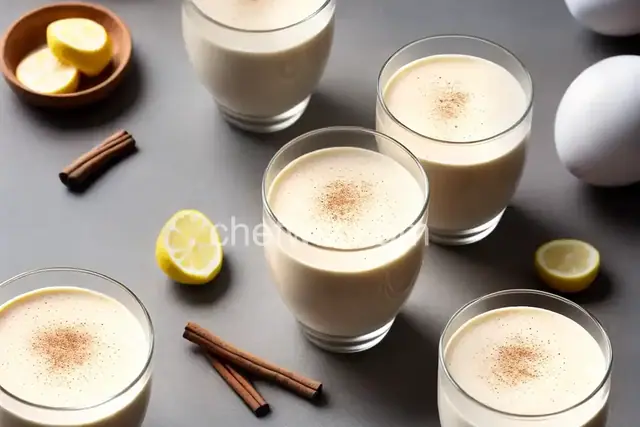
When ready to serve, sprinkle each individual serving with the remaining nutmeg.
It is recommended to refrigerate all the liquids, including the alcohol, the day before to ensure they are cold.
It is important to note that this recipe contains raw egg. We advise pregnant women, young children, the elderly, and those with weakened immune systems to avoid consuming raw egg. For more information on egg safety, please refer to our article.
Eggnog is a delightful holiday beverage that brings warmth and cheer to any gathering. Whether you're sipping it by the fire or toasting with friends, this classic drink is a must-have during the festive season. In this article, we'll explore the history and traditions of traditional eggnog, as well as some tips on how to make it at home. So, grab a glass and let's dive into the world of eggnog!
Did you know that eggnog dates back to the 14th century? It is believed to have originated in England, where it was called "posset" and made with hot milk, eggs, and spices. Over time, the recipe evolved, and alcohol, such as brandy or rum, was added to create a more indulgent and festive drink.
What makes eggnog so rich and creamy? The secret lies in its ingredients. A typical eggnog recipe includes eggs, milk or cream, sugar, and spices like nutmeg and cinnamon. Some variations also call for a splash of vanilla extract or a hint of rum for that extra kick. The combination of these ingredients creates a velvety texture and a deliciously sweet flavor that is simply irresistible.
Are you ready to whip up a batch of homemade eggnog? Here's a simple recipe to get you started:
Now that you know the basics, here are a few tips and variations to take your eggnog to the next level:
Eggnog is a timeless holiday tradition that brings joy to people all over the world. Whether you enjoy a classic recipe or put your own spin on it, the rich and creamy flavors of eggnog are sure to delight your taste buds. So, this holiday season, raise a glass of traditional eggnog and toast to the warmth and happiness it brings!
Absolutely! Eggnog can be enjoyed with or without alcohol. Simply omit the alcohol from the recipe, and you'll still have a deliciously creamy beverage to sip on.
While egg substitutes can be used in some recipes, they may alter the texture and flavor of the eggnog. It's best to use fresh eggs for the authentic taste and consistency.
Homemade eggnog can be stored in the refrigerator for up to 4-5 days. Make sure to give it a good stir before serving, as it may separate slightly during storage.
Yes, you can freeze leftover eggnog in an airtight container for up to 3 months. Thaw it in the refrigerator overnight and give it a good stir before serving.
Yes, you can substitute dairy milk with non-dairy alternatives like almond milk, coconut milk, or soy milk. However, keep in mind that it may alter the taste and texture of the eggnog.
Absolutely! Feel free to experiment with different flavors like chocolate, peppermint, or even caramel. Just remember to adjust the recipe accordingly and have fun with it!
Yes, you can prepare eggnog ahead of time and refrigerate it until you're ready to serve. Just give it a good stir before pouring into glasses, and your guests will be delighted.
Absolutely! While eggnog is traditionally served chilled, you can warm it gently on the stovetop before serving for a cozy and comforting treat.
AprilCook, recipe developer and the heart of Chefwiz. More about April