Traditional British Mushy Peas
Rate this recipeBe the first to rate
 By AprilPublished
 Are you looking to try a quintessential British side dish that is both delicious and simple to make?
 By AprilPublished
 Are you looking to try a quintessential British side dish that is both delicious and simple to make?
Place the split green peas in a large pot along with the baking soda and enough water to cover the peas four times over.
Cover the pot and refrigerate overnight to allow the peas to rehydrate.
Drain the peas using a colander and rinse them with cold water to remove any remaining baking soda.
Return the peas to the pot and cover them with cold water, making sure there is a 1/2-inch of water above the peas.
Add some salt to the pot and bring the water to a boil.
Once boiling, reduce the heat to a simmer.
During the simmering process, use a slotted spoon to remove any foam that may form on top of the peas.
The peas are cooked when they have just lost their bite, which typically takes around 30 to 40 minutes. Be careful not to overcook them, as this will result in a soup-like consistency.
Remove the pot from the heat and add the butter, stirring well to fully incorporate it into the peas.
Taste the peas and add more salt if needed.
Serve immediately with fish and chips, or allow to cool and store for up to 3 days.
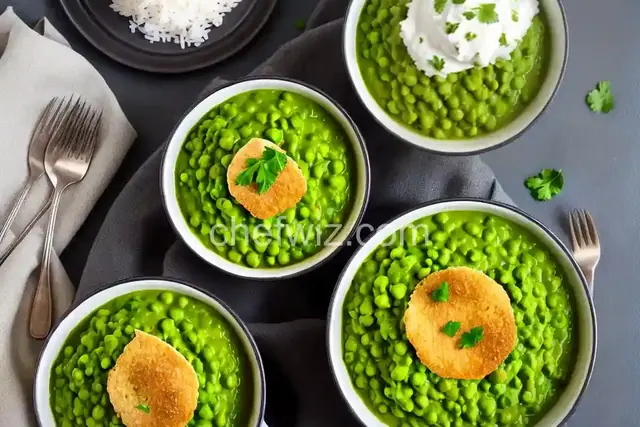
Are you looking to try a quintessential British side dish that is both delicious and simple to make? Look no further than traditional British mushy peas! These vibrant green peas, cooked until they are soft and mushy, are a staple accompaniment to various British dishes. In this article, we will explore the history, preparation, and serving suggestions for this beloved classic.
Mushy peas have a long history in British cuisine. They can be traced back to the 17th century when they were commonly consumed as a cheap source of protein for the working class. Peas were dried and then soaked overnight before being cooked until they reached a soft, mushy consistency. Over time, mushy peas became a popular accompaniment to dishes like fish and chips, pies, and sausages.
Preparing mushy peas is a straightforward process that requires minimal ingredients. Dried marrowfat peas are traditionally used, but you can also use fresh or frozen garden peas for a quicker version. The peas are soaked overnight to rehydrate them before cooking. Once soaked, they are simmered with a little water and salt until they become soft and mushy. Some recipes call for the addition of mint, which adds a refreshing flavor to the dish.
Mushy peas are incredibly versatile and can be paired with a variety of dishes. One of the most popular ways to enjoy them is alongside fish and chips. The creamy texture of the mushy peas complements the crispy fish and salty fries perfectly. They can also be served as a side dish with pies, sausages, or roasted meats. For a vegetarian option, try serving mushy peas with grilled halloumi cheese or vegetable fritters.
Traditional British mushy peas are a beloved side dish that has stood the test of time. Whether you enjoy them with fish and chips or as a vegetarian option, mushy peas add a burst of flavor and a touch of nostalgia to any meal. So why not give this classic British dish a try and experience the taste of tradition?
No, mushy peas are made from green marrowfat peas, while split peas are made from dried yellow or green peas.
While it is possible to use canned peas, the texture and flavor will not be the same as using dried or frozen peas.
Absolutely! Mushy peas can be customized to your taste by adding herbs like parsley or thyme, or spices like cumin or paprika.
Yes, you can freeze leftover mushy peas in an airtight container for up to three months. Thaw and reheat before serving.
Yes, mushy peas are naturally gluten-free, making them a suitable option for individuals with gluten intolerance or celiac disease.
Yes, you can use a pressure cooker to cook the dried peas more quickly. Follow your pressure cooker's instructions for cooking times.
Yes, mushy peas are a nutritious side dish. They are high in fiber, protein, and essential vitamins and minerals.
While traditional mushy peas are made from marrowfat peas, you can experiment with other varieties like split peas or yellow peas for a unique twist.
AprilCook, recipe developer and the heart of Chefwiz. More about April