Tortillas I
Rate this recipeBe the first to rate
 By AprilPublished
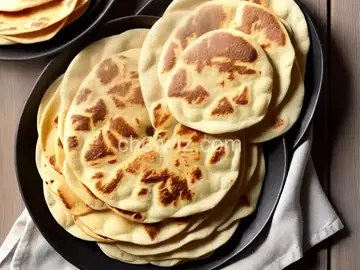
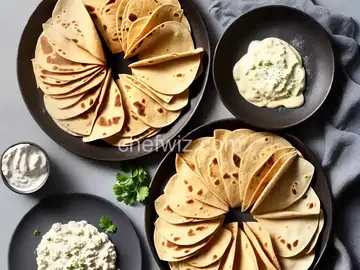
 When it comes to comfort food, tortillas reign supreme. These thin, flatbreads have become a staple in many cuisines around the world.
 By AprilPublished
 When it comes to comfort food, tortillas reign supreme. These thin, flatbreads have become a staple in many cuisines around the world.
In a large bowl, combine the flour, baking powder, and salt.
Cut in the shortening until the mixture resembles cornmeal.
Slowly add water, mixing with your hands until a soft dough forms. You may not need to use all the water.
Knead the dough on a floured surface for a few minutes until it becomes smooth and elastic.
Grease the top of the dough with oil, then place it back in the bowl. Cover and let it rest for 10 minutes.
Divide the dough into small balls, approximately the size of golf balls.
Roll out each ball to your preferred size and thickness.
Heat a cast iron grill or heavy skillet over medium heat on the stovetop.
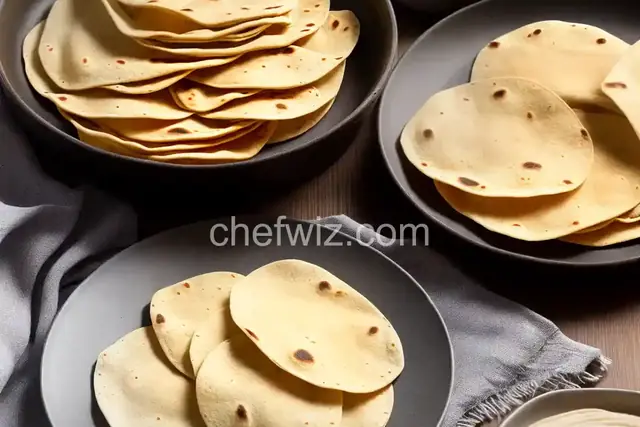
Cook the dough on the heated surface until the top becomes slightly bubbly, then flip it over and cook for an additional minute or two on the other side.
Keep the cooked dough stacked and warm by wrapping them in a clean dish towel.
When it comes to comfort food, tortillas reign supreme. These thin, flatbreads have become a staple in many cuisines around the world. From tacos to enchiladas, quesadillas to burritos, tortillas have the power to transform a simple meal into a culinary delight. But have you ever wondered about the history, versatility, and secrets behind these humble, yet extraordinary, creations? Join us as we dive into the world of tortillas and uncover the mysteries that lie within.
Before we embark on the journey of exploring the numerous uses of tortillas, let's take a step back in time. The origins of tortillas can be traced back thousands of years to Mesoamerica. Native American civilizations, such as the Aztecs and Mayans, were the first to cultivate and consume maize, the main ingredient in tortillas.
Maize was a crucial staple crop for these civilizations, and they soon discovered the art of grinding the corn into a fine dough, which they then flattened and cooked on hot stones. This simple yet ingenious technique gave birth to the tortilla as we know it today.
One of the most remarkable aspects of tortillas is their versatility. These flexible discs of deliciousness can be enjoyed in countless ways, making them a favorite among food enthusiasts worldwide.
Imagine sinking your teeth into a warm, freshly made tortilla, filled with tender shredded chicken, crisp lettuce, and tangy salsa. The combination of flavors and textures is simply exquisite. Or perhaps you prefer a cheesy quesadilla, where the tortilla acts as the perfect vessel for melted cheese and savory fillings.
Tortillas also provide a convenient alternative to bread. Swap out your regular sandwich bread for a tortilla wrap, and you'll be amazed at the flavor and variety it adds to your lunchtime routine. From turkey and avocado to hummus and roasted vegetables, the possibilities are endless.
While there are countless store-bought options available, there's something truly special about making your own tortillas from scratch. Here are a few secrets to achieving the perfect homemade tortilla:
Getting the right ratio of ingredients is crucial to the success of your tortillas. A combination of masa harina (corn flour), water, and a pinch of salt is all you need. Experiment with different ratios until you find the perfect balance that yields soft, pliable tortillas.
Making tortillas requires a bit of patience. Allow the dough to rest for at least 30 minutes before rolling it out. This will give the gluten in the dough time to relax, resulting in a more tender tortilla.
When it comes to rolling out your tortillas, a gentle touch is essential. Roll from the center outwards, applying even pressure to ensure a uniform thickness. Don't worry if your tortillas aren't perfectly round – their unique shapes only add to their charm.
Tortillas are a culinary marvel that has stood the test of time. From their ancient origins to their modern-day versatility, these thin, flatbreads continue to captivate the taste buds of people around the world. Whether you're enjoying them in a traditional Mexican dish or using them as a vessel for your own culinary creations, tortillas have a special place in our hearts and on our plates.
Yes, you can! While traditional tortillas are made with corn flour, you can substitute it with wheat flour if desired. The texture and flavor will be slightly different, but equally delicious.
Homemade tortillas can be stored in an airtight container for up to 2-3 days. To reheat, simply warm them up in a skillet or microwave for a few seconds.
Absolutely! Homemade tortillas freeze beautifully. Place them in a freezer-safe bag or container, and they can be stored for up to 3 months. Thaw them in the refrigerator or at room temperature before using.
Traditional corn tortillas are gluten-free, as they are made from corn flour. However, some store-bought tortillas may contain wheat flour or other gluten-containing ingredients. Always check the labels if you have dietary restrictions.
Absolutely! If you don't have a rolling pin, you can use a flat-bottomed heavy pan or a wine bottle to roll out your tortillas. The key is to apply even pressure and roll from the center outwards.
Yes, you can! If you don't have access to a stove, you can cook tortillas on a hot griddle or a cast-iron skillet. Simply heat the surface and cook the tortillas until they puff up slightly and develop golden brown spots.
The possibilities for tortilla fillings are endless! Some unique fillings you can try include grilled shrimp with pineapple salsa, roasted vegetables with feta cheese, or even scrambled eggs with avocado and bacon.
Absolutely! While savory fillings are most common, you can also make sweet tortillas. Simply add a touch of sugar or honey to the dough, and fill them with sweet fillings like Nutella, fresh fruit, or cinnamon sugar.
AprilCook, recipe developer and the heart of Chefwiz. More about April