Torrone (Italian Nut and Nougat Confection)
Rate this recipeBe the first to rate
 By AprilPublished
 Have you ever indulged in the sweet and chewy delicacy that is Torrone?
 By AprilPublished
 Have you ever indulged in the sweet and chewy delicacy that is Torrone?
Use plastic wrap to line an 8x11-inch baking dish, with the ends hanging over the sides.
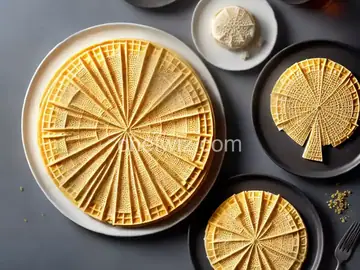
Place one sheet of wafer paper in the bottom of the lined dish.
Put the almonds and pistachios in a warm location to make them easier to mix in later.
In a heavy-bottomed pot, pour in the honey and add 1 cup plus 3 tablespoons of sugar. Cook over low heat, stirring constantly with a spatula, until the mixture becomes smooth and silky (about 30 minutes). Remove the pot from heat.
Take a mixing bowl and add the egg whites and salt. Whisk until the whites form soft peaks (around 3 to 4 minutes).
Return the pot with the honey mixture to low heat. Gradually whisk in 1/4 of the whipped egg whites, then add the remaining egg whites in three more batches.
Keep cooking over low heat, stirring constantly with a spatula, until the mixture turns a brighter white and a ribbon of mixture on the surface doesn't incorporate immediately (about 40 minutes). To test the consistency, you can drop a few drops of the mixture into a small bowl of ice-cold water – it should feel like soft clay.
Whisk in the lemon zest and vanilla. Add the warm almonds and pistachios, and stir to evenly incorporate them.
Transfer the nougat mixture to the prepared baking dish,
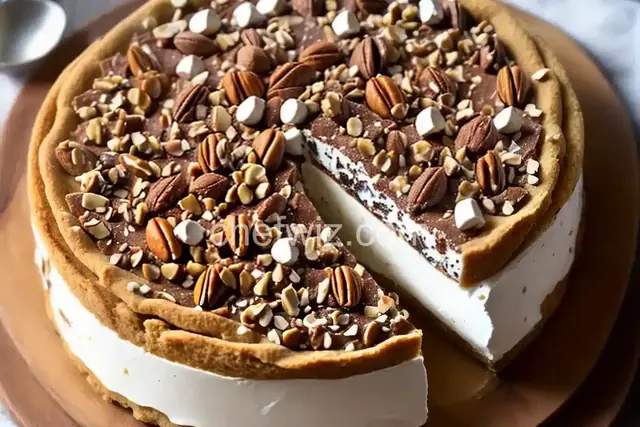
Have you ever indulged in the sweet and chewy delicacy that is Torrone? If not, you're in for a treat! Torrone is an Italian confection that combines the richness of nuts with the sweetness of nougat. It's a dessert that has been enjoyed for centuries and continues to delight taste buds all around the world. In this article, we'll explore the history, flavors, and variations of Torrone, giving you a comprehensive guide to this delectable treat.
To truly appreciate Torrone, it's important to understand its origins. This delightful confection has a rich history dating back to ancient times. It is believed to have been first created in the Mediterranean region, with some accounts tracing it back to the Roman Empire.
Torrone was originally made as a celebratory treat during special occasions and holidays. It was considered a symbol of abundance and good fortune. Over time, the recipe for Torrone evolved, and different variations emerged across Italy. Today, you can find regional specialties like soft Torrone from Cremona or hard Torrone from Sardinia.
One of the reasons Torrone is so beloved is its wide range of flavors. Traditional Torrone is made with almonds, honey, sugar, and egg whites. However, modern variations have expanded the flavor palette to include other nuts like hazelnuts, pistachios, and walnuts. Some even incorporate dried fruits or chocolate for an extra twist.
Whether you prefer the classic almond Torrone or want to explore more exotic flavors, there's a Torrone out there for everyone. The combination of crunchy nuts and sweet nougat creates a harmonious symphony of flavors that is simply irresistible.
Torrone comes in various forms, each with its own unique characteristics. The two main types are soft Torrone and hard Torrone.
Soft Torrone has a pillowy texture, similar to that of marshmallows. It is made by whipping the egg whites to create a light and fluffy nougat. The addition of nuts gives it a delightful crunch. Soft Torrone is often enjoyed as is or used as a filling for other desserts.
As the name suggests, hard Torrone has a firm and brittle texture. It is made by cooking the sugar and honey mixture to a higher temperature, resulting in a harder consistency. Hard Torrone is often served in bite-sized pieces and enjoyed as a standalone treat.
Torrone is a versatile dessert that can be enjoyed in various ways. Here are a few popular ways to savor this delightful confection:
1. On its own: Simply unwrap a piece of Torrone and indulge in its sweet and nutty goodness.
2. With coffee or tea: Pairing Torrone with a hot beverage like coffee or tea is a match made in heaven. The contrasting flavors complement each other beautifully.
3. In desserts: Use Torrone as a topping or filling in desserts like ice cream, cakes, or tarts. It adds a delightful crunch and a burst of flavor.
Torrone is more than just a sweet treat; it's a delight that encapsulates centuries of culinary tradition and passion. Whether you prefer the soft and fluffy variety or the satisfying crunch of the hard version, Torrone is guaranteed to satisfy your sweet tooth. So, why not indulge in a piece of Torrone today and experience the magic for yourself?
Yes, most Torrone varieties are gluten-free. However, it's always essential to check the ingredients to ensure there are no hidden gluten-containing ingredients.
When stored properly in an airtight container, Torrone can last for several weeks. However, it's best enjoyed within a few days for optimal freshness.
Absolutely! Making Torrone at home can be a fun and rewarding culinary adventure. There are plenty of recipes available online to guide you through the process.
Yes, Torrone is often associated with Christmas and is a popular treat during the holiday season in many European countries.
Absolutely! Torrone is highly customizable. You can experiment with different nuts, dried fruits, or even add a touch of chocolate to create your own unique flavor combinations.
While Torrone is undeniably delicious, it is a treat best enjoyed in moderation due to its high sugar content. However, the addition of nuts provides some nutritional benefits.
Torrone can be found in specialty food stores, Italian markets, or online retailers. It's always a good idea to explore local artisanal options for a truly authentic experience.
Traditional Torrone contains egg whites, making it non-vegan. However, there are vegan-friendly versions available that use substitutes like aquafaba or agar-agar.
AprilCook, recipe developer and the heart of Chefwiz. More about April