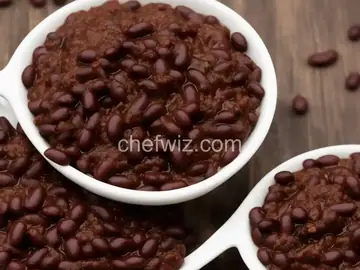
Tomato Basil Soup
Rate this recipeBe the first to rate
 By AprilPublished
 Who doesn't love a warm, comforting bowl of soup on a chilly day?
 By AprilPublished
 Who doesn't love a warm, comforting bowl of soup on a chilly day?
Preheat the oven to 350°F.
Line a large baking sheet with parchment paper.
Place the tomatoes on the baking sheet, cut-side up.
Drizzle 2 tablespoons of olive oil over the tomatoes.
Sprinkle salt and pepper over the tomatoes.
Roast the tomatoes in the oven for 1 hour or until the edges start to shrivel and the insides are still juicy.
Heat the remaining 2 tablespoons of olive oil in a large pot over medium heat.
Add the onions, carrots, garlic, and ½ teaspoon salt to the pot.
Cook the mixture until it becomes soft, approximately 8 minutes.
Stir in the tomatoes, vegetable broth, vinegar, and thyme leaves.
Simmer the mixture for 20 minutes.
Allow the mixture to cool slightly.
Pour the soup into a blender, working in batches if necessary.
Blend the soup until it becomes smooth.
Add the basil to the blender and pulse until combined.
Garnish the soup with basil leaves.
Serve the soup with crusty bread.
Who doesn't love a warm, comforting bowl of soup on a chilly day? Tomato basil soup is a classic favorite that never fails to satisfy. The combination of ripe tomatoes and fragrant basil creates a flavor profile that is both comforting and refreshing. In this article, we will explore the magic behind tomato basil soup, its history, and why it has become a beloved dish worldwide.
Tomatoes, native to South America, were brought to Europe in the 16th century. Initially, they faced suspicion due to their resemblance to the deadly nightshade plant. However, they soon gained popularity and became a staple in Italian cuisine. The marriage of tomatoes and basil was a match made in culinary heaven. The bright acidity of tomatoes combined with the fresh and aromatic qualities of basil created a soup that was both simple and full of flavor.
Tomato basil soup is like a symphony of flavors dancing on your taste buds. The sweetness of ripe tomatoes balances perfectly with the herbal notes of basil, creating a harmonious blend. The rich and velvety texture of the soup adds another layer of indulgence. It is like a warm hug in a bowl, providing comfort and satisfaction with every spoonful.
Tomatoes are not only delicious but also packed with nutrients. They are a great source of vitamins A and C, as well as antioxidants like lycopene. Lycopene has been linked to numerous health benefits, including reducing the risk of heart disease and certain types of cancer. So, indulging in tomato basil soup not only satisfies your taste buds but also nourishes your body.
Basil, with its vibrant green leaves and distinct aroma, is the perfect companion for tomatoes. Not only does it add a refreshing flavor, but it also brings its own set of health benefits. Basil is known for its anti-inflammatory properties and is rich in essential oils that promote digestion. It is a herb that not only enhances the taste of dishes but also supports your overall well-being.
Tomato basil soup has become a beloved dish worldwide. Its simplicity and versatility make it a favorite in both traditional and modern kitchens. Whether enjoyed on its own, accompanied by a grilled cheese sandwich, or used as a base for other recipes, tomato basil soup never disappoints.
Tomato basil soup is a delightful blend of flavors that has stood the test of time. Its simplicity, versatility, and health benefits make it a favorite among food lovers worldwide. So, the next time you crave a comforting bowl of soup, reach for a steaming bowl of tomato basil soup and let its flavors transport you to a world of culinary bliss.
Absolutely! While using fresh tomatoes is ideal, canned tomatoes are a convenient and equally delicious alternative.
Yes, you can! If you prefer a lighter version, you can omit the cream or substitute it with coconut milk for a dairy-free option.
Yes, tomato basil soup freezes well. Allow it to cool completely before transferring it to an airtight container and freezing it for up to three months.
Absolutely! Tomato basil soup serves as a great base for experimenting with other vegetables like carrots, bell peppers, or onions.
While fresh basil is preferred for its vibrant flavor, you can use dried basil if that's what you have on hand. Just remember to adjust the quantity accordingly, as dried basil is more potent.
Yes, tomato basil soup is naturally vegetarian and can be easily adapted to suit a vegan diet by omitting the cream or using a non-dairy alternative.
Certainly! Making tomato basil soup in a slow cooker is a convenient option. Simply throw in the ingredients and let it simmer on low heat for a few hours to develop the flavors.
Absolutely! Feel free to experiment with spices like garlic, oregano, or red pepper flakes to add an extra kick to your tomato basil soup.
AprilCook, recipe developer and the heart of Chefwiz. More about April