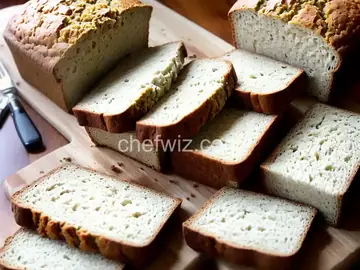
Tiger Bread (Dutch Crunch Rolls)
Rate this recipeBe the first to rate
 By AprilPublished
Have you ever tried Tiger Bread? If not, you're in for a treat!
 By AprilPublished
Have you ever tried Tiger Bread? If not, you're in for a treat!
In a microwave-safe bowl, combine milk and water. Heat in the microwave at 10-second intervals until the mixture is just warm to the touch, or reaches 100 degrees F (38 degrees C).
Add sugar and 1 package of yeast to the bowl. Stir the ingredients together and let the mixture sit for 15 to 20 minutes.
In a separate mixing bowl, combine flour and salt. Stir them together using a fork.
Create a well in the center of the flour mixture and pour in the yeast mixture and melted butter. Stir the ingredients with a fork until they come together to form a shaggy dough.
Switch to using your hand and knead the dough in the bowl until a ball is formed.
Transfer the dough to a work surface and continue kneading until it becomes a very smooth, soft, and elastic ball of dough. This should take around 7 to 8 minutes.
Lightly grease another bowl and transfer the dough into it. Cover the bowl and let the dough rise in a warm spot until it doubles in size, which usually takes about 1 hour.
Preheat the oven to 400 degrees F (200 degrees C) and line a baking sheet with a silicone baking mat.
In a small bowl, combine rice flour, sugar, salt, vegetable oil, sesame oil, 1 1/2 teaspoons of yeast, and 1/4 cup warm water
Have you ever tried Tiger Bread? If not, you're in for a treat! These Dutch Crunch Rolls are a delightful combination of soft, fluffy bread with a unique crunchy topping. Imagine sinking your teeth into a warm roll with a crust that crackles and pops with every bite. It's a texture sensation that will leave you craving for more.
Tiger Bread gets its name from its distinctive cracked crust that resembles the pattern on a tiger's fur. The secret lies in the rice paste topping that is applied before baking. As the bread rises and bakes, the paste creates a beautifully textured crust that adds an extra layer of flavor and excitement.
But it's not just the crust that sets Tiger Bread apart. The bread itself is soft, fluffy, and full of flavor. The combination of the crunchy crust and the tender crumb makes every bite a delightful experience.
Making Tiger Bread at home is easier than you might think. With just a few simple ingredients and some patience, you can enjoy these delicious rolls right from your own kitchen.
Start by preparing the dough. Mix together flour, yeast, salt, sugar, and water until a soft dough forms. Knead the dough until it becomes smooth and elastic. Let it rise until it doubles in size.
While the dough is rising, prepare the rice paste topping. Mix together rice flour, yeast, sugar, salt, oil, and water until you have a thick paste. Allow the paste to rest and ferment for a while.
Once the dough has risen, divide it into individual rolls and shape them. Then, spread a generous layer of the rice paste on top of each roll. The paste will crack and create the characteristic tiger pattern as it bakes.
Bake the rolls in a preheated oven until they are golden brown and the crust is crispy. The aroma that fills your kitchen will be absolutely irresistible!
Tiger Bread is incredibly versatile and can be enjoyed in various ways. Serve it warm with a pat of butter for a simple and satisfying snack. Use it as the base for sandwiches or sliders, adding your favorite fillings. You can even slice it and toast it for a crunchy and flavorful breakfast.
However you choose to enjoy Tiger Bread, one thing is for sure – it will bring a smile to your face with every bite.
Tiger Bread, also known as Dutch Crunch Rolls, is a delightful bread with a crunchy topping that adds a unique and exciting texture to every bite. Whether you're a bread lover or looking to try something new, Tiger Bread is a must-try. Its crackling crust and soft, fluffy interior make it a true crowd-pleaser. So, why not embark on a baking adventure and create your own Tiger Bread at home?
While the rice paste is what gives Tiger Bread its distinct texture and appearance, you can experiment with other toppings if you prefer. However, the result may not be exactly the same as the traditional Tiger Bread.
Yes, you can freeze Tiger Bread. Allow the bread to cool completely, then wrap it tightly in plastic wrap or place it in a sealable bag. When you're ready to enjoy it, thaw it at room temperature or gently warm it in the oven.
While all-purpose flour is commonly used for Tiger Bread, you can experiment with other types of flour, such as bread flour or whole wheat flour. Keep in mind that the texture and flavor may vary slightly.
Tiger Bread is best enjoyed on the day it is baked when the crust is at its crunchiest. However, you can store it in an airtight container at room temperature for up to 2-3 days. To refresh the crust, you can briefly reheat it in the oven.
Yes, you can make gluten-free Tiger Bread by using a gluten-free flour blend. Keep in mind that the texture and taste may be different from traditional Tiger Bread, but it can still be delicious.
Absolutely! You can get creative and add various toppings to your Tiger Bread before baking. Sesame seeds, poppy seeds, or even grated cheese can add extra flavor and visual appeal.
Yes, you can make mini Tiger Bread rolls by dividing the dough into smaller portions and shaping them accordingly. Adjust the baking time accordingly to ensure they are fully cooked.
Yes, you can use a bread machine to make the dough for Tiger Bread. Simply follow your bread machine's instructions for mixing and kneading the dough. Once the dough is ready, you can proceed with shaping and topping the rolls as directed.
AprilCook, recipe developer and the heart of Chefwiz. More about April