The Ultimate Bolognese Sauce
Rate this recipeBe the first to rate
 By AprilPublished
 Are you tired of the same old spaghetti sauce? Looking for a way to elevate your pasta dishes to the next level?
 By AprilPublished
 Are you tired of the same old spaghetti sauce? Looking for a way to elevate your pasta dishes to the next level?
In a dry small skillet over medium heat, toast bay leaves, cloves, fennel seeds, red pepper flakes, and whole peppercorns, tossing often, until fragrant, for about 2 minutes. Let the mixture cool, then transfer it to a spice mill (or mortar and pestle) and grind it finely.
Preheat the oven to 250°. Heat oil in a medium ovenproof pot over medium-high heat. Add the livers and stir to coat them; season with salt and pepper. Cook, stirring occasionally, until the livers are deeply browned (almost burned), for 5–8 minutes.
Add the onion, thyme, and Mama Lil's peppers to the pot, stirring to coat them. Taste and adjust the seasoning with salt and pepper. Cook, stirring as needed, until the onion is golden brown and soft, for 5–8 minutes. Add the garlic and stir to coat. Cook, stirring often, until the garlic is soft, for about 2 minutes. Stir in the ground spice mixture and 1½ tsp. salt.
Stir in the tomatoes and wine, scraping up any browned bits. Mix in the beef and pork; the mixture will be fairly stiff, but will soften and loosen as it cooks. Add the milk and mix well, ensuring everything is evenly coated. Cover the pot and braise it in the oven for 6–8 hours.
Remove the
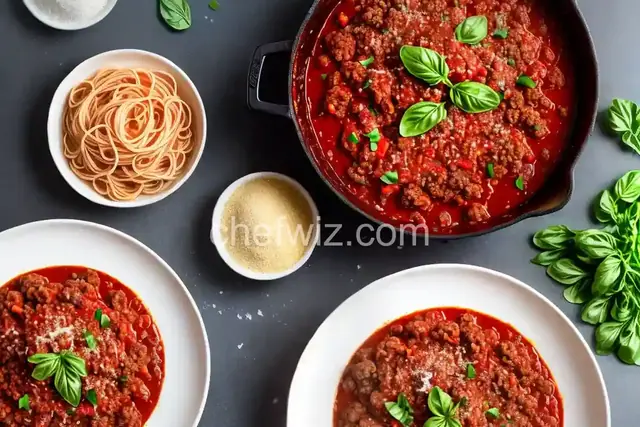
Are you tired of the same old spaghetti sauce? Looking for a way to elevate your pasta dishes to the next level? Look no further than the ultimate Bolognese sauce! This rich and hearty sauce is packed with flavor and will leave your taste buds begging for more. In this article, we will explore the secrets to creating the perfect Bolognese sauce that will impress even the most discerning palates.
Bolognese sauce, also known as ragù alla Bolognese, is a classic Italian meat-based sauce that originated in the city of Bologna. What sets it apart from other pasta sauces is its richness and complexity. Unlike regular tomato sauce, Bolognese sauce is made with a combination of ground meat, such as beef, pork, or veal, along with aromatic vegetables, herbs, and wine. This slow-cooked sauce develops deep flavors and a thick, luscious texture that clings to every strand of pasta.
Creating the ultimate Bolognese sauce starts with selecting the right ingredients. High-quality ground meat, such as lean beef or a mix of beef and pork, forms the base of the sauce. The meat is browned to develop a rich, caramelized flavor before adding a medley of finely chopped onions, carrots, and celery. This trio of vegetables, known as a mirepoix, adds sweetness and depth to the sauce. To enhance the umami factor, a splash of red wine and a dollop of tomato paste are added to the mix. Finally, a combination of herbs, such as bay leaves, thyme, and oregano, infuses the sauce with aromatic goodness.
One of the secrets to achieving a truly outstanding Bolognese sauce is patience. This sauce is not meant to be rushed. It should be simmered low and slow for several hours to allow the flavors to meld together and develop into something truly magical. The long cooking time allows the meat to become tender and the sauce to thicken, resulting in a rich and velvety texture. As the sauce simmers away, your kitchen will be filled with the irresistible aroma of simmering meat and herbs.
Creating the ultimate Bolognese sauce is a labor of love, but it's worth every minute. Here are some tips and tricks to help you achieve Bolognese perfection:
Bolognese sauce is incredibly versatile and can be used in a variety of dishes. Of course, it pairs beautifully with pasta, such as spaghetti or tagliatelle. But don't limit yourself to just noodles! This sauce is also delicious in lasagna, baked ziti, or even on top of a pizza. The possibilities are endless, and each dish will be elevated to a whole new level of deliciousness.
The ultimate Bolognese sauce is a game-changer when it comes to pasta dishes. Its rich and complex flavors will take your taste buds on a culinary journey. Remember to take your time and savor the slow-cooked goodness. Once you've mastered the art of Bolognese sauce, there's no going back to ordinary tomato sauce. Get ready to impress your friends and family with your newfound culinary skills!
Absolutely! Ground turkey can be a great substitute for beef in Bolognese sauce. Just make sure to use lean ground turkey to keep the sauce from becoming too greasy.
Yes, Bolognese sauce freezes beautifully. Simply let it cool completely, transfer it to an airtight container, and store it in the freezer for up to three months. Thaw it in the refrigerator overnight before reheating.
Absolutely! You can make a vegetarian version of Bolognese sauce using ingredients like mushrooms, lentils, or textured vegetable protein (TVP). The result is a delicious and hearty sauce that even meat-lovers will enjoy.
Yes, you can adapt the recipe to make Bolognese sauce in a slow cooker. Simply brown the meat and sauté the vegetables before transferring everything to the slow cooker. Cook on low for 6-8 hours or on high for 3-4 hours.
While red wine adds depth and richness to the sauce, you can omit it if you prefer. You can replace it with an equal amount of beef or vegetable broth for a slightly different flavor profile.
Tomato paste is typically used in Bolognese sauce for its concentrated flavor. However, you can use fresh tomatoes if you prefer. Just make sure to cook them down until they reach a thick consistency.
Absolutely! Adding grated Parmesan cheese to your Bolognese sauce can take it to another level of deliciousness. The cheese adds a salty and nutty flavor that complements the rich sauce perfectly.
If you like a bit of heat, you can certainly add some crushed red pepper flakes or a pinch of cayenne pepper to your Bolognese sauce. Just be careful not to overpower the other flavors.
AprilCook, recipe developer and the heart of Chefwiz. More about April