The Smoothest Flan
Rate this recipeBe the first to rate
 By AprilPublished
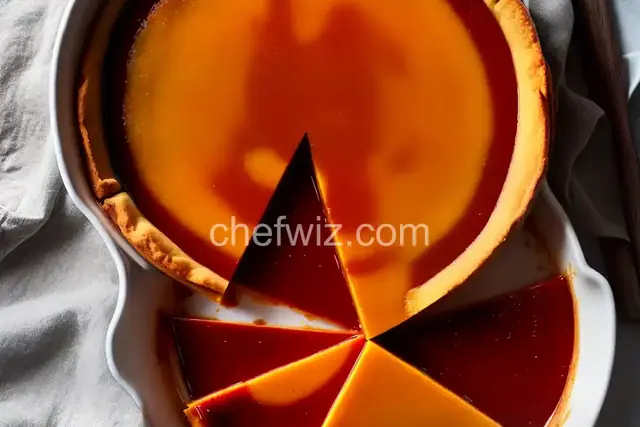
 Have you ever tasted a silky smooth flan that just melts in your mouth?
 By AprilPublished
 Have you ever tasted a silky smooth flan that just melts in your mouth?
Preheat the oven to 325°.
In a medium heavy saucepan, stir together 1/4 cup of sugar and 2 tablespoons of water over medium-low heat until the sugar dissolves.
Increase the heat and let the mixture boil, occasionally swirling the pan and brushing down the sides with a wet pastry brush, until the caramel turns a medium-dark amber color. This should take about 5-6 minutes.
Working quickly, evenly divide the caramel among the ramekins, coating the bottoms.
Allow the caramel to cool until it hardens.
In a medium bowl, gently whisk together the remaining 1/3 cup of sugar and eggs.
Add the cream, half-and-half, and vanilla to the bowl and gently whisk to combine, being careful not to aerate the mixture.
Let the mixture sit for about 5 minutes, until the sugar dissolves.
Strain the mixture through a fine-mesh sieve set over a medium pitcher to remove any air pockets.
Place the ramekins in a roasting pan lined with a kitchen towel. Place the pan on a large rimmed baking sheet.
Divide the custard mixture among the ramekins.
Pour hot water into the roasting pan, filling it a little more than halfway up the sides of the ramekins.
Cover the pan with foil, crimping it to seal.
14
Have you ever tasted a silky smooth flan that just melts in your mouth? It's like a sweet and creamy dream come true. But how can you achieve that perfect texture? In this article, we'll dive into the secrets of making the smoothest flan that will leave you craving for more.
When it comes to making a smooth flan, the quality of the ingredients plays a crucial role. Start by selecting the freshest eggs you can find. Their richness and creaminess will contribute to the smoothness of the final product.
Next, choose a high-quality vanilla extract or use a vanilla bean for maximum flavor. The smoothness of the flan is not just about texture but also about the depth of taste.
Mixing the ingredients properly is another key factor in achieving that velvety smoothness. Take your time to blend the eggs, milk, and sugar together until they are fully incorporated. Avoid overmixing, as it can create air bubbles that will ruin the texture of the flan.
Some flan enthusiasts swear by using a blender or a hand mixer to ensure a perfectly smooth mixture. Give it a try and see if it makes a difference in your flan-making process.
One of the most common challenges in making flan is preventing it from becoming grainy or curdled. To avoid this, bake your flan in a water bath. This technique creates a gentle and even heat distribution, resulting in a smooth and creamy texture.
Simply place your flan dish in a larger baking pan filled with hot water, making sure the water reaches about halfway up the sides of the flan dish. This helps to maintain a consistent temperature throughout the baking process.
When it comes to flan, patience is truly a virtue. After baking, resist the temptation to dig in right away. Allow your flan to cool completely and then refrigerate it for a few hours, or even overnight. This resting time allows the flavors to meld together and the texture to become even smoother.
Now that you know the secrets to making the smoothest flan, it's time to put your skills to the test. With a little practice and patience, you'll be able to create a dessert that will have everyone asking for seconds.
No, eggs are an essential ingredient in flan as they contribute to the smoothness and structure of the dessert. It's best not to substitute them.
Avoid overmixing the ingredients and consider using a blender or hand mixer for a smoother mixture. This will help minimize air bubbles.
While vanilla is the classic flavor for flan, you can experiment with other flavors like caramel, chocolate, or even fruit extracts. Just make sure to adjust the recipe accordingly.
It's best to refrigerate the flan for at least 4 hours, or overnight if possible. This resting time allows the flavors to develop and the texture to become even smoother.
Traditionally, flan is baked in a round, shallow dish called a flan mold. However, you can use a similar-sized baking dish if you don't have a flan mold. Just make sure it's oven-safe and can withstand the water bath.
The water bath helps to create a gentle and even heat distribution, resulting in a smooth texture. While it's possible to make flan without a water bath, it may not turn out as smooth and creamy.
After baking, the flan needs to cool and set in the refrigerator for at least 4 hours. This allows it to firm up and develop the desired texture.
Yes, you can freeze flan. However, the texture may change slightly upon thawing. It's best to consume flan within a few days of making it for the best taste and texture.
In conclusion, making the smoothest flan requires attention to detail and a little bit of patience. By choosing the right ingredients, mixing them properly, using a water bath, and allowing the flan to rest, you can create a velvety dessert that will impress everyone. So go ahead and indulge in the smoothness of flan!
AprilCook, recipe developer and the heart of Chefwiz. More about April