The Silkiest Carbonara
Rate this recipeBe the first to rate
 By AprilPublished
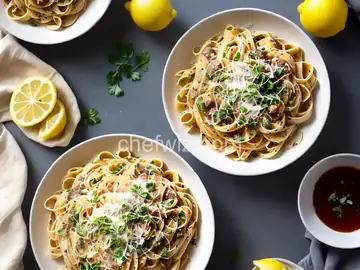
 Who doesn't love a creamy and indulgent bowl of carbonara? This classic Italian dish is a favorite among pasta lovers worldwide.
 By AprilPublished
 Who doesn't love a creamy and indulgent bowl of carbonara? This classic Italian dish is a favorite among pasta lovers worldwide.
Cook the guanciale in a large skillet on medium-low heat, stirring frequently, until the fat has rendered but the guanciale is not browned. This should take about 5 minutes.
Pour the cooked guanciale into a fine-mesh sieve set over a small bowl, making sure to reserve the drippings.
Transfer the guanciale to a large bowl and allow it to cool slightly.
In the same large pot, cook the pasta in boiling salted water until it is al dente. Stir occasionally while cooking.
Drain the pasta, making sure to reserve ½ cup of the pasta cooking liquid.
Immediately add the rigatoni, 2 tablespoons of the pasta cooking liquid, and 1 teaspoon of the guanciale drippings to the bowl with the guanciale. Toss everything together to coat the pasta.
Gradually add ½ cup of Pecorino to the pasta mixture in 3 batches, stirring and tossing to melt the cheese between each batch.
Add 2 teaspoons of black pepper to the pasta mixture and continue tossing until the sauce thickens. If needed, add more pasta water by the tablespoonful until desired consistency is reached.
Season the dish with salt and pepper to taste.
Divide the pasta among serving bowls and garnish with additional Pecorino.
Who doesn't love a creamy and indulgent bowl of carbonara? This classic Italian dish is a favorite among pasta lovers worldwide. But what makes a carbonara truly exceptional? It's all about achieving that silky smooth texture that coats each strand of pasta. In this article, we'll explore the secrets to creating the silkiest carbonara you've ever tasted.
Like any great recipe, the quality of the ingredients you use can make all the difference. Traditional carbonara calls for just a few simple ingredients: eggs, guanciale or pancetta, pecorino cheese, and black pepper. Each ingredient plays a crucial role in creating the velvety texture that carbonara is known for.
Now, let's talk about the eggs. The key to achieving silkiness lies in the perfect balance between the yolks and whites. By using mostly yolks and just a splash of whites, you'll end up with a rich and creamy sauce. It's like the difference between a regular omelet and a soufflé - the yolks provide that luxurious texture.
Creating a silky texture in carbonara involves a technique called emulsification. It's all about combining the fat from the guanciale or pancetta with the eggs and cheese to form a smooth and cohesive sauce. The fat acts as an emulsifier, binding the ingredients together and creating that luscious consistency.
Think of it like making a vinaigrette. When you whisk oil and vinegar together, they initially separate. But with enough whisking, the oil and vinegar become one, creating a perfectly emulsified dressing. The same principle applies to carbonara - whisking vigorously is the key to achieving that silky texture.
Timing is crucial when it comes to making carbonara. You want to cook the pasta until it's just al dente, meaning it still has a slight bite to it. This is important because the residual heat from the pasta will continue to cook the eggs, creating that velvety texture. If you overcook the pasta, it will release too much starch, resulting in a gummy sauce.
Once the pasta is cooked, it's time to add it to the pan with the guanciale or pancetta. The heat from the cooked pasta will help render the fat from the meat, infusing the sauce with its delicious flavor. Then, it's all about quickly tossing the pasta with the egg and cheese mixture. The residual heat will gently cook the eggs, creating a creamy and luxurious sauce.
While bacon can be a tasty substitute, it may not provide the same depth of flavor as guanciale or pancetta. However, it can still result in a delicious carbonara.
Parmesan can be used as a substitute for pecorino, but keep in mind that pecorino has a sharper and saltier flavor, which adds complexity to the dish.
Traditional carbonara does not include vegetables. However, you can experiment with adding sautéed mushrooms or peas for an extra burst of flavor.
The key is to ensure that the pasta is not too hot when you add the egg mixture. Gradually temper the eggs by adding a small amount of pasta water to the mixture before combining it with the pasta.
Absolutely! There are many gluten-free pasta options available that work well with carbonara. Just make sure to follow the cooking instructions on the package.
Carbonara is best enjoyed immediately after it's cooked. Reheating can cause the sauce to become clumpy and lose its silky texture. If you have leftovers, it's best to enjoy them cold or at room temperature.
It's not recommended to freeze carbonara, as the sauce may separate when thawed. It's best to enjoy this dish fresh.
Traditional carbonara does not include cream. The creaminess comes from the emulsification of eggs, cheese, and fat. Adding cream would alter the authentic flavor and texture of the dish.
Creating the silkiest carbonara is all about using the right ingredients, mastering the art of emulsification, and perfect timing. By following these tips, you'll be able to enjoy a velvety and indulgent bowl of carbonara that will leave you craving for more. So why not give it a try and elevate your pasta game to new heights?
AprilCook, recipe developer and the heart of Chefwiz. More about April