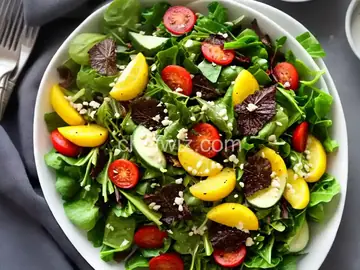
The Right Way to Cook Greens!
Rate this recipeBe the first to rate
 By AprilPublished
 Greens are a powerhouse of nutrients, packed with vitamins and minerals that are essential for our health.
 By AprilPublished
 Greens are a powerhouse of nutrients, packed with vitamins and minerals that are essential for our health.
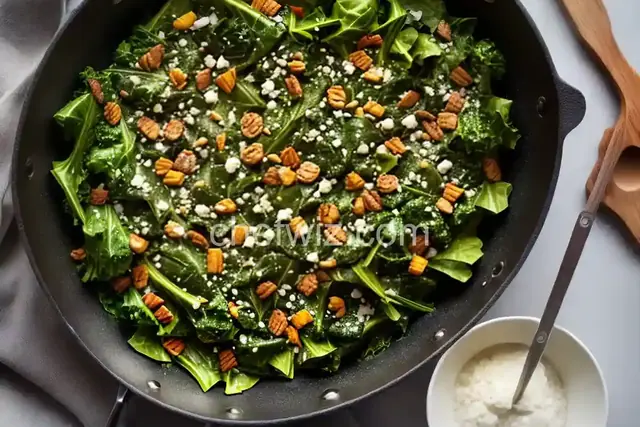
Heat bacon drippings in a cast iron skillet over medium heat.
Cook and stir the greens in the hot drippings until they become limp, tender, and significantly reduced in size. The cooking time will vary between 1 to 4 minutes, depending on the toughness of the greens.
Season the greens with salt.
Serve the greens straight from the skillet.
For extra-tender greens, add 3 cups of water to the skillet with the greens.
Season the greens with salt.
Bring the mixture to a boil and cook for 1 hour, adding more water as needed.
To obtain bacon drippings, fry 4 to 8 strips of bacon in a cast iron skillet or frying pan until most of the grease cooks out and thickly coats the bottom of the skillet.
If you choose to boil the greens without frying them first, you will need to boil them for at least 2 hours with some pork to reduce the bitterness of the greens.
The original recipe suggests using a mess of greens, which is approximately as many greens as you can fit into a plastic shopping bag.
Greens are a powerhouse of nutrients, packed with vitamins and minerals that are essential for our health. But have you ever wondered if you are cooking them the right way to maximize their nutritional value? In this article, we will explore the best methods to cook greens and make them not only delicious but also nutritious.
Steaming greens is like giving them a warm, comforting hug. Just like a gentle touch can soothe our souls, steaming preserves the delicate flavors and nutrients of greens. It keeps them tender and vibrant, ensuring that every bite is a burst of goodness.
Imagine placing your greens in a steamer basket, gently enveloped in a cloud of steam. The heat caresses the leaves, softening them just enough to retain their vibrant green color and crisp texture. It's like a spa treatment for your greens!
Sautéing greens is like setting the stage on fire with a passionate dance. The heat, the sizzle, the aroma - it all adds to the theatrical experience. But just like a well-choreographed dance, sautéing requires precision and attention.
Picture a hot pan, a drizzle of oil, and the greens sizzling away. The heat caramelizes the edges, adding a touch of smokiness and enhancing the flavors. It's a performance that brings out the boldness in greens, creating a symphony of taste.
Blanching greens is like a quick dip in the pool on a hot summer day. It's a refreshing way to preserve their vibrant colors and crispness. Just like a dip in cold water wakes us up, blanching greens keeps them fresh and full of life.
Imagine plunging your greens into a pot of boiling water for a brief moment, and then transferring them into a bowl of ice water. It's like a reset button, ensuring that your greens stay vibrant and retain their nutrients.
When it comes to cooking greens, there isn't a one-size-fits-all approach. Each method has its own charm and benefits. Whether you prefer the gentle touch of steaming, the fiery dance of sautéing, or the quick refresh of blanching, the key is to cook them with love and care.
So, the next time you're in the kitchen, ready to cook up a batch of greens, think about the method that suits your taste buds and culinary style. Experiment, have fun, and savor the goodness of greens in every bite.
Steaming greens usually takes around 5-7 minutes, depending on the type and thickness of the leaves. Keep an eye on them and test for doneness by poking a fork or knife into the leaves. They should be tender but still have a slight crunch.
While oil adds flavor and helps prevent sticking, you can sauté greens without oil by using a non-stick pan or adding a splash of water or vegetable broth. Just be mindful of the heat and stir the greens frequently to prevent them from burning.
Blanching is a cooking technique that involves briefly boiling vegetables and then shocking them in ice water to stop the cooking process. It helps preserve the vibrant colors, crispness, and nutrients of greens. Blanching is especially useful when you want to store greens for later use or include them in salads.
Absolutely! Mixing different types of greens can create a wonderful medley of flavors and textures. Feel free to experiment with combinations like spinach and kale, or collard greens and Swiss chard. Just adjust the cooking times accordingly, as some greens may cook faster or slower than others.
Cooking greens can actually enhance their nutritional value. While some nutrients may be lost during cooking, others become more bioavailable, meaning our bodies can absorb them more easily. Plus, cooked greens are easier to digest for some individuals. However, enjoying a mix of raw and cooked greens is a great way to reap the benefits of both.
Absolutely! Freezing cooked greens is a convenient way to preserve them for later use. Just make sure to let them cool completely before transferring them to airtight containers or freezer bags. They will stay fresh for several months.
There are plenty of ways to add flavor to cooked greens. You can sauté them with garlic and onions, season them with herbs and spices, or drizzle them with a splash of lemon juice or balsamic vinegar. Get creative and let your taste buds guide you!
Absolutely! The cooking liquid from greens, often called "pot liquor," is full of flavor and nutrients. Don't let it go to waste! You can use it as a base for soups, stews, or even as a flavorful addition to your favorite sauces. It's a secret ingredient that can take your dishes to the next level.
AprilCook, recipe developer and the heart of Chefwiz. More about April