The Once and Future Beans
Rate this recipeBe the first to rate
 By AprilPublished
 Have you ever wondered why beans are such a staple in our diets?
 By AprilPublished
 Have you ever wondered why beans are such a staple in our diets?
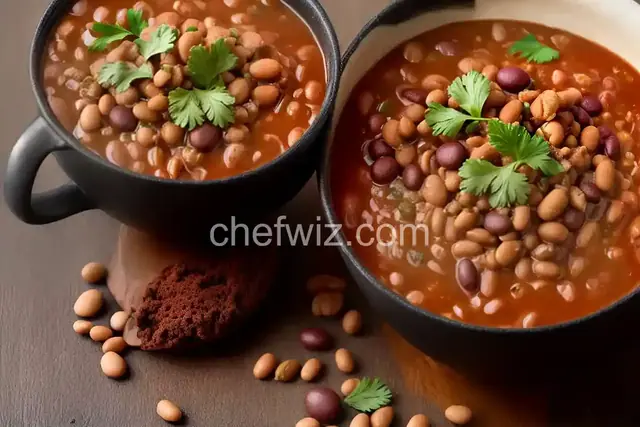
Preheat the oven to 250 degrees F.
In a plastic container, soak the beans overnight in enough cold water to completely submerge them.
Heat a cast iron Dutch oven over medium heat. Add the bacon, onion, and jalapenos. Cook until the bacon renders enough fat to soften the onions, approximately 5 minutes.
Stir in the tomato paste, dark brown sugar, and molasses.
Drain the soaked beans and reserve the soaking liquid. Add the drained beans to the Dutch oven.
Measure the soaking liquid and add enough vegetable broth to make a total of 4 cups. Pour this liquid into the Dutch oven.
Bring the mixture to a boil over high heat. Add cayenne, black pepper, and salt. Stir well.
Cover the Dutch oven with a lid and transfer it to the preheated oven.
Allow the beans to cook in the oven for 6 to 8 hours, or until they are tender.
Have you ever wondered why beans are such a staple in our diets? They may seem unassuming, but these little legumes have a rich history and a bright future. In this article, we'll explore the journey of beans, from their humble beginnings to their current status as a versatile and nutritious food. So, grab a cup of coffee (made from beans, of course) and let's dive in!
Beans have been a part of human civilization for thousands of years. Archaeologists have discovered evidence of bean cultivation in ancient civilizations like Egypt and the Indus Valley. These early farmers recognized the value of beans as a source of protein, fiber, and other essential nutrients.
But beans weren't just a dietary staple; they also played a role in cultural and religious practices. In ancient Greece, for example, beans were associated with purification rituals. Similarly, in many Native American tribes, beans held spiritual significance and were used in ceremonies.
Beans come in a wide variety of shapes, sizes, and colors. From kidney beans to black beans, each type offers its unique flavor and texture profile. This diversity makes beans a versatile ingredient in various cuisines around the world.
Take the humble chickpea, for instance. It can be transformed into a creamy hummus, crispy falafel, or a hearty stew. And who can resist a comforting bowl of chili made with kidney beans and spices? The possibilities are endless!
Beans are more than just a tasty addition to our meals; they are nutritional powerhouses. Packed with protein, fiber, vitamins, and minerals, beans offer a range of health benefits. They can help lower cholesterol, regulate blood sugar levels, and promote a healthy digestive system.
Moreover, beans are an excellent source of plant-based protein, making them an essential part of vegetarian and vegan diets. They provide the body with essential amino acids, helping to build and repair tissues.
As our world becomes more conscious of environmental issues, beans are gaining recognition for their sustainability. Unlike many other crops, beans have a low carbon footprint and require fewer resources to grow. They also enrich the soil by fixing nitrogen, reducing the need for synthetic fertilizers.
Furthermore, beans are a versatile ingredient in plant-based diets, which are gaining popularity due to their health and environmental benefits. As more people turn to plant-based eating, beans are becoming a star player in creating delicious and nutritious meat alternatives.
Yes, beans can be a great addition to a weight loss diet. They are low in fat, high in fiber, and help you feel full for longer, reducing the chances of overeating.
While beans are known to cause gas in some individuals, soaking them overnight and cooking them thoroughly can help reduce this effect.
Yes, canned beans are just as nutritious as dried beans. However, be mindful of the sodium content in canned beans and opt for low-sodium varieties whenever possible.
No, most beans cannot be eaten raw as they contain certain compounds that are toxic when consumed in their uncooked form. Always cook beans thoroughly before consuming.
Yes, beans can be frozen for later use. Just make sure to blanch them before freezing to retain their texture and flavor.
Absolutely! Beans are an excellent source of plant-based protein and can be used as a meat substitute in many dishes.
Soaking beans before cooking can help reduce cooking time and make them easier to digest. However, it's not necessary, and you can still cook beans without soaking them.
There are endless ways to enjoy beans! Add them to soups, stews, salads, or even make bean burgers and tacos. Get creative and experiment with different recipes!
In conclusion, beans have come a long way from their ancient origins. They have evolved into a beloved ingredient in cuisines worldwide, offering a range of flavors and nutritional benefits. As we look to the future, beans hold the promise of sustainability and innovation in our quest for healthier and more environmentally friendly food choices. So, let's embrace the once and future beans!
AprilCook, recipe developer and the heart of Chefwiz. More about April